How to Stop Leakage: A Practical DIY Guide
Learn how to stop leakage quickly with practical DIY steps, safety tips, and when to call a professional. This Leak Diagnosis guide covers plumbing, appliances, and prevention to protect your home.


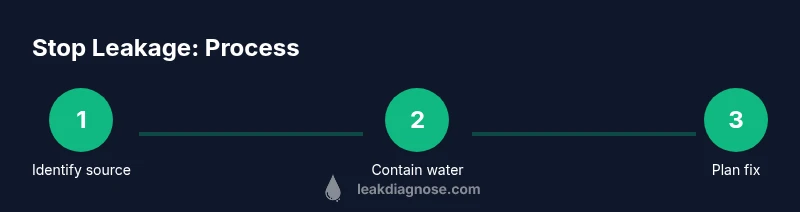
Stop leakage quickly by locating the source, shutting off the water supply, and applying a safe temporary fix while you plan a permanent repair. Begin with containment, then tighten fittings, clean surfaces, and choose a proper repair method. If you detect active pressure, exposed wiring, or cracks in main lines, evacuate and call a licensed plumber.
What causes leakage at home and why quick action matters
Leaks happen when water escapes its intended path due to worn fittings, torn hoses, corroded pipes, or appliance malfunctions. Understanding the core causes helps you stop leakage faster and minimize damage. According to Leak Diagnosis, most home leaks start small and escalate quickly if ignored, so early action matters. This guide uses clear, actionable steps to identify sources, assess risk, and implement safe fixes. By focusing on prevention and timely repairs, you reduce water waste and repair costs, preserving your home's value. The goal is not just to stop leakage tonight, but to build a safer, drier house for years to come. The phrase 'how to stop leakage' should guide every homeowner who notices damp spots or unusual moisture patterns.
Quick checks to locate the source of leakage
Start by surveying the area with visible moisture and damp spots. Look at ceilings, walls, floors, and appliances. Check around faucets, hose bibs, washing machines, dishwashers, and water heaters. Inspect supply lines for dripping, wet stains, or mineral buildup. Use a dry cloth to trace wet streaks back to the origin. If you can't locate the source, place a thin dye tablet in the toilet tank to trace leaks, or use a leak detector sensor to identify hidden leaks behind walls.
Immediate containment and safety steps
If you suspect a significant leak, shut off the main water supply immediately and turn off electricity at the affected circuit if water is near outlets or appliances. Place towels or a bucket to contain water and prevent further damage. Do not use the affected sink or appliance until a safe repair is made. If you see gas lines or unusually strong odor, evacuate and contact your gas utility. After containment, document damage for insurance claims.
DIY repair approaches by area
Pipes: for pinhole leaks in copper or PVC, temporarily patch with epoxy putty or a pipe repair clamp; plan a permanent replacement. Faucets: tighten packing nuts, replace washers, or install a new cartridge if necessary. Appliances: washer hoses and dishwashers often leak at water inlet hoses or drain lines; replace damaged hoses with flexible stainless-steel hoses and secure clamps. In walls: leaks behind walls require accessing the line via a cleanout or stud bay; avoid drywall removal without planning. Always depressurize and dry surfaces before applying patches. The key is to act methodically to minimize damage and time, consistent with Leak Diagnosis guidance.
When to escalate to professionals
If the leak involves hot water, gas, or structural damage to the ceiling, walls, or foundation, contact a licensed plumber or water damage specialist. For ongoing leaks that keep returning after basic fixes, schedule a professional inspection. Insurance often covers sudden leaks; keep receipts and photos. For complex systems like gas lines or main shutoffs, do not DIY; call the appropriate utility or licensed technician.
Prevention strategies to stop leakage in the long term
Regular maintenance reduces leakage risk. Schedule annual inspections of plumbing, water heaters, and appliances. Replace worn hoses and aging fixtures proactively, install catch basins under appliances, and install leak detectors near water sources. Use appropriate sealants and fittings rated for your system; avoid over-tightening. Keep a basic tool kit and spare parts on hand for quick responses. According to the Leak Diagnosis team, proactive maintenance is the strongest defense against costly leaks.
Tools & Materials
- Buckets and towels(Contain and absorb water during containment)
- Flashlight(Inspect dark corners or behind walls)
- Adjustable wrench(Tighten/loosen fittings without damage)
- Pliers(Grip clamps and hoses securely)
- PTFE tape (plumber's tape)(Seal threaded connections)
- Epoxy putty or pipe repair clamp(Temporary patch for small leaks)
- Replacement hoses (stainless-steel preferred)(For appliance leaks; ensure compatibility)
- Silicone sealant(Waterproof seal on non-pourous surfaces)
- Safety gloves(Protect hands during repair)
- Plastic wedges or rags(Keep area clean and dry during work)
Steps
Estimated time: 1-2 hours
- 1
Identify the source
Begin by inspecting the most likely areas: under sinks, around toilets, near appliances, and along visible pipe runs. Look for dripping, damp patches, or mineral buildup. Confirm the exact origin before proceeding to contain the leak.
Tip: Document the origin with photos for insurance and future repairs. - 2
Shut off the water supply
Locate and close the nearest shutoff valve to the affected area. If unsure, shut off the main water valve to stop all flow. This momentary step prevents further damage while you plan the fix.
Tip: If the valve is stiff, apply a penetrating oil and work it gently instead of forcing it. - 3
Contain the leak
Place towels or a bucket to catch drips and prevent water from spreading. If safe, place a temporary patch or clamp on a small pipe leak to slow the flow. Avoid running water elsewhere in the house during this time.
Tip: Keep children and pets away from the area to prevent injuries. - 4
Dry the area
Wipe surfaces clean and dry surrounding materials to prevent mold. A dry surface ensures patches and sealants adhere properly. If you can’t dry it completely, wait after a brief period before applying a patch.
Tip: Use a fan or dehumidifier to accelerate drying. - 5
Apply a temporary fix
For small pipe leaks, apply epoxy putty or a repair clamp following manufacturer directions. For threaded connections, wrap PTFE tape and re-tighten. Do not rely on temporary fixes for long-term use.
Tip: Never apply epoxy over active electrical components; ensure power is isolated if water is present. - 6
Plan a permanent repair
Assess whether to replace a damaged section, install a new hose, or replace a faulty valve. Obtain the correct parts and follow a repair method appropriate to your plumbing material (copper, PVC, PEX).
Tip: If you’re unsure about pipe material or soldering, consult a professional before proceeding. - 7
Test the repair carefully
Turn the water back on gradually and check for any signs of renewed leakage. Inspect all patched joints and fittings. Do not leave the area unattended while testing.
Tip: Have a towel and bucket ready to catch any fresh drips. - 8
Document and monitor
Record the repair steps and materials used. Monitor the area for the next few days; if leakage recurs, escalate to a professional. Keep a maintenance log for future reference.
Tip: Schedule a thorough professional inspection if the leak recurs within a short period.
Questions & Answers
What counts as a leak in a home?
A leak is any unintended release of water from a supply line, appliance, or fixture. Even small drips can cause damage over time, so early attention is important.
A leak is any unwanted water coming from pipes, fixtures, or appliances, even a small drip.
Can I fix a leak myself?
Some leaks are suitable for DIY fixes, such as tightening connections or replacing a faulty washer. More complex leaks, especially gas lines or structural damage, require a licensed professional.
Some leaks you can fix yourself, but for gas lines or big problems, call a pro.
Should I turn off power when there’s a water leak near outlets?
Yes. If water is near electrical outlets or devices, shut off power at the main breaker before inspecting or repairing. This reduces the risk of electrical shock or fire.
If water's near electricity, switch off power first and then inspect.
When should I call a plumber?
Call a plumber if the leak persists after basic fixes, if pipes are damaged, or if you notice hot water or gas involvement. Professional assessment prevents further damage.
If the leak keeps coming back or involves gas or hot water, call a plumber.
What tools are essential for stopping leaks?
Essential tools include a wrench, pliers, PTFE tape, epoxy putty, a flashlight, and towels. Have safety gloves on hand to protect yourself.
Keep a wrench, pliers, tape, putty, a flashlight, and towels handy.
Are there cheap ways to prevent leaks?
Yes. Regular maintenance, leak detectors, and proactive replacement of worn hoses and fittings reduce risk and cost. A simple inspection routine goes a long way.
Regular checks and detectors help prevent costly leaks.
Watch Video
Main Points
- Identify the leak source quickly and safely.
- Contain water and shut off supply before fixes.
- Choose appropriate temporary and permanent repair methods.
- Plan for prevention to avoid future leaks.