How to Repair a Leak: A Homeowner's Step-by-Step Guide
A practical, safety-first guide to diagnosing and repairing common household leaks. Learn how to locate sources, choose repair methods, and prevent future leaks with DIY-friendly steps.


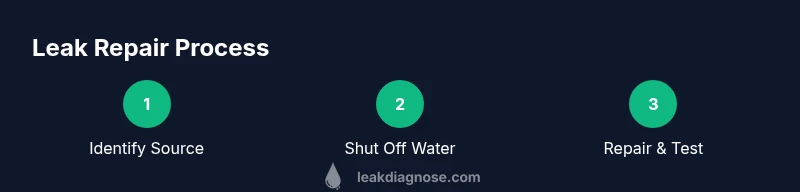
To repair a leak quickly, locate the source, shut off the water, and pick a repair method appropriate to the material and risk. This quick answer outlines safe diagnostics, essential tools, and practical steps for common home leaks, plus clear guidance on when to call a pro. Prioritize safety and test thoroughly after any fix.
Diagnosing Common Leak Sources
Leaks show up in several predictable places, and knowing where to look speeds up the repair. The most frequent culprits are worn faucet washers, loose supply line connections, aging hoses, and small cracks in pipes behind walls. Start with the lowest risk area: kitchen faucet, toilet base, and visible hose connections. Use a dry cloth to wipe away moisture and inspect for drips, staining, or condensation patterns that reveal hidden pathways. If you see a steady drip from a copper or PVC pipe, it’s usually a sign the material has aged or been stressed. For ceiling or wall leaks, look for water staining that travels along studs or joists, which often indicates a leak above the line. According to Leak Diagnosis, the majority of household leaks originate from a worn seal or loose threaded connection, especially at joints and fixtures. Document the source with photos before you begin any repair.
Safety First: Water, Electricity, and Gas Considerations
Water leaks can create hazards beyond water damage. Always start by turning off the main water supply to stop additional water flow. If the leak is near an electrical outlet, appliance, or control panel, shut off power at the circuit breaker before approaching. For leaks that involve gas lines or a gas smell, evacuate and call the gas company or emergency services immediately. Do not use open flames or electrical switches near a leak; even small amounts of moisture around wiring can cause shock or fire. A practical approach is to wipe up the area and dry it as you assess, keeping children and pets away. Leak Diagnosis analysis shows that most safety incidents occur when homeowners proceed with repairs without shutting off power or gas and without verifying the source. Always err on the side of caution and call a licensed professional for complex situations or uncertain sources.
Tools, Materials, and Preparation
Having the right tools before you start saves time and reduces mess. Assemble: adjustable wrench, basin wrench for tight fittings, pliers, a caulking gun with silicone sealant, PTFE tape for threaded joints, silicone sealant or epoxy patch kit suitable for the material, rags or towels, a bucket to catch drips, and a bright flashlight to inspect dim areas. Prepare replacement parts such as faucet washers or supply hoses relevant to the identified leak. Have a plan for cleaning and drying the area and a safe container to collect waste. Set aside a dedicated space to work and place towels to protect floors. This preparation reduces the risk of creating new leaks while you repair.
Step-By-Step Diagnosis Techniques
- Visual inspection first: examine fixtures, valves, hoses, and joints for moisture, corrosion, or staining. Use the flashlight to peer behind cabinets or behind drywall if you suspect hidden leaks. 2) Isolate sections: turn off the water at the fixture you suspect first, then observe if dripping stops. 3) Pressure test: with the main valve closed, gently restore water to a low pressure and look for changes; note any damp spots as you test. 4) Confirm with a second method: perform a dye test in toilet tanks or run water through suspected lines to reveal leaks. 5) Document findings with photos and notes, including the location, type, and severity. The more precise your notes, the easier a permanent fix will be. Why: knowing the exact joint or seam prevents unnecessary replacements and saves time.
Choosing Temporary vs Permanent Repairs
Temporary fixes buy time, but do not substitute a proper repair. For a dripping faucet, replacing washers and O-rings is often sufficient, followed by tightening and resealing. For pinhole leaks in copper or small cracks in PVC, a patch kit or epoxy wrap can stop the flow while you plan a permanent fix. In heavy-duty areas like water supply lines to appliances or behind walls, consider replacing damaged sections or fittings rather than patching. Always verify compatibility between patch materials and the pipe material. After applying a temporary fix, test the area at low flow and monitor for 24-48 hours to ensure the leak remains stopped and that no new weaknesses appear. If you notice any persistent flow, escalate to a permanent repair or consult a professional.
DIY vs Pro: When to Call an Expert
Some leaks are well within a capable DIY scope, especially minor faucet drips and hose leaks with easy access. Complex leaks behind walls, under slabs, or involving gas lines require professional evaluation. If you lack the correct tools, cannot access the area safely, or you are unsure about the problem’s cause, pause and call a licensed plumber or the utility for guidance. Structural leaks, mold growth after a leak, or suspected sewer line issues demand a professional assessment. In those cases, attempting an amateur fix risks further damage and increased cost. The Leak Diagnosis team recommends erring on the side of caution; when in doubt, seek professional help to avoid safety hazards and ensure a lasting repair.
Preventing Future Leaks: Maintenance Tips
Prevention is cheaper than repair. Schedule annual inspections of appliances, supply lines, and the main shutoff. Replace aging washers, gaskets, and hoses before they fail. Use proper sealants and avoid over-tightening fittings. Install drip pans or water alarms near appliances like the water heater, washing machine, and dishwasher. Insulate exposed pipes to prevent condensation and freeze damage. Keep a log of maintenance, including part numbers and service dates, to simplify future repairs. By adopting these practices, homeowners reduce the likelihood of sudden leaks and water damage.
Tools & Materials
- Adjustable wrench(6-12 inches for most fittings)
- Basin wrench(For tight faucet connections)
- Pliers(Needle-nose or slip-joint)
- Caulking gun(Silicone sealant for wet areas)
- PTFE tape (Teflon tape)(Thread sealing for plumbing joints)
- Silicone sealant or epoxy patch kit(Choose per material (metal, PVC, ceramic))
- Rags or towels(For cleanup and drying)
- Bucket(Catch drips during repair)
- Flashlight(Good lighting for dark spaces)
- Replacement parts (washers, hoses)(Pre-measure and match to fixture)
Steps
Estimated time: 60-90 minutes
- 1
Locate the leak source
Begin by inspecting visible areas: faucet handles, hoses, toilets, washers, and appliance supply lines. Wipe with a dry cloth to reveal moisture patterns and stain trails. If the source isn’t obvious, proceed to Step 2 and isolate sections to identify the culprit.
Tip: Use a dry towel to trace moisture and listen for a hiss to locate concealed leaks. - 2
Shut off water and power if needed
Turn off the main water supply to stop additional flow and prevent water damage. If any area could affect electrical devices, switch off power at the breaker as a precaution. Verify that the area dries before continuing.
Tip: Know your main shutoff location and label it for quick access. - 3
Assess repair method and gather parts
Determine whether a washer replacement, joint sealing, patch, or pipe replacement is appropriate based on your diagnosis. Gather the necessary parts and confirm compatibility with the pipe or fixture material.
Tip: Double-check part compatibility; a mismatched washer or hose can fail again. - 4
Apply the repair
Follow manufacturer directions for your chosen method. For sealants, apply evenly and allow proper curing time. Tighten connections gradually and avoid overtightening, which can damage threads.
Tip: Apply sealant only where appropriate and wipe excess promptly to prevent sticking. - 5
Test and monitor the area
Restore water gradually and observe the repaired area for leaks over the next 24-48 hours. Keep notes and photos of post-repair conditions to detect any reoccurrence early.
Tip: Test at low flow first; increase gradually if no leak appears.
Questions & Answers
What should I do first when I notice a leak in my home?
Start by locating the leak source, then shut off the main water supply. If the leak involves gas or electricity, take extra safety precautions and consider calling a professional. Dry the area and document the damage for insurance.
Find the leak, shut off water, and stay safe; then assess whether the issue is DIY-friendly.
Can I repair all leaks myself?
Many minor leaks from faucets or hoses can be fixed with basic tools, but more complex leaks in walls, ceilings, or gas lines require professional evaluation. Always assess safety risks before proceeding.
You can fix small faucet leaks yourself, but anything involving gas or hidden piping should be handled by a pro.
What tools will I need for a typical leak repair?
A basic toolkit includes an adjustable wrench, pliers, a caulking gun, PTFE tape, silicone sealant, rags, and a flashlight. Have spare washers or hoses on hand for quick replacements.
Keep a small toolbox ready with wrenches, tape, and sealant.
When should I call a professional?
Call a professional if you detect a gas smell, water pooling from hidden pipes, mold growth, or leaks behind walls — especially if you cannot access the area safely.
If you smell gas or can't reach the leak safely, call a pro.
How long will a DIY leak repair last?
Durability depends on leak type and repair quality. Temporary fixes may last days to weeks, while properly replacing faulty parts can last years. Monitor for new signs after repairs.
DIY repairs can last a while, but watch for recurring leaks.
Is epoxy or silicone patch suitable for pipes?
Epoxy patches are common for quick fixes on small pipe cracks; silicone sealants are better for flexible joints but may not fix larger cracks. Always follow product instructions and ensure the surface is clean.
Epoxy works for small pipe cracks; silicone is good for flexible joints.
Watch Video
Main Points
- Identify the leak source before disassembly.
- Shut off water before any repair.
- Use correct sealants and parts for the material.
- Test and monitor after repairs.