How to Leak Test an AC System with Nitrogen
Learn how to safely leak test an air conditioning system with nitrogen. This step-by-step guide covers equipment, safety, procedure, troubleshooting, and interpreting results for accurate leak detection.


You will learn how to leak test an AC system with nitrogen using an inert, dry gas to locate leaks. This method minimizes moisture entry and helps locate small leaks before recharging. You’ll need a nitrogen cylinder with a regulator, a leak detector or soap test, and proper PPE to work safely.
Why nitrogen testing matters for AC leaks
Nitrogen leak testing is a widely used method in HVAC diagnostics because nitrogen is inert, dry, and non-reactive with refrigerants. When you pressurize a sealed AC system with nitrogen, you can create a controlled environment that makes leaks more apparent without introducing moisture that could obscure readings or corrode components. For homeowners and DIY enthusiasts, learning how to leak test AC system with nitrogen provides a practical alternative to relying solely on dye tests or pressure-decay methods. According to Leak Diagnosis, using nitrogen can improve leak detection accuracy when performed with proper safeguards and calibrated equipment. The key advantage is early detection, which reduces the risk of refrigerant loss and damage to compressor windings. Remember that nitrogen is not a substitute for refrigerant handling; it is a diagnostic tool used before a repair or recharge. Prioritize safety, follow manufacturer guidelines, and document any findings to guide future maintenance.
Safety first: risks and protective gear
Working with pressurized gas—even an inert one like nitrogen—carries hazards. Eye and skin protection, gloves, and hearing protection should be worn at all times. Ensure the area is well ventilated, and never point the regulator or hose at yourself or others. Open the cylinder slowly and monitor the pressure gauge to avoid a sudden surge. If the system is still under refrigerant charge, you must follow local regulations for handling refrigerants and never mix nitrogen testing with refrigerant charging without supervision. Keep regulatory documentation accessible, use a regulator with a secure seal, and place the cylinder in a stable stand or cart to prevent tipping. If you feel unsure at any point, pause and seek professional guidance. Safety first reduces the risk of injury and accidental venting of refrigerants.
Required tools and materials
Nitrogen leak testing demands careful preparation. The essential items are listed in Tools and Materials, but here is a quick overview: a stabilized nitrogen source with regulator; a nitrogen-compatible manifold and hoses; a high-quality leak detector or soap-bubble test bottle; a calibrated pressure gauge; PPE; and a means to safely capture any vented gas. Do not improvise: using damaged hoses or improvised regulators can create dangerous failures. Confirm that the system has access ports that you will use; label the service ports and avoid cross-contamination with refrigerant lines. Before starting, inspect all connections for wear, ensure no open flames in the workshop, and verify the AC unit’s electrical supply is disconnected or locked out. Document serial numbers for the nitrogen bottle and regulator, so calibration and replacement reminders are easy to track.
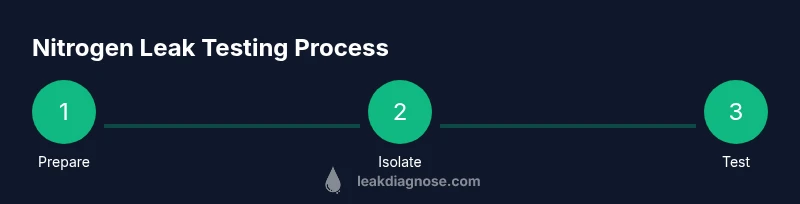
Preparing the system: isolation and cleaning
Isolate the test area by closing service valves to prevent cross-flow from other circuits. If your system has a dedicated service port, isolate it; if not, consult the unit's service manual. Wipe down all exposed connections with an approved cleaning agent to remove oil and grime that could trap trace leaks. Ensure there is no moisture present in the cantilever points and that all electrical components are powered down and isolated. After isolation, perform a quick visual inspection for obvious damage or corrosion that could mimic leak signs. Proper preparation reduces false positives and helps you locate real leaks with greater confidence.
Connecting nitrogen and pressurizing within guidelines
Attach the regulator and hoses to a service port using appropriate adapters and ensure all connections are tight before opening the nitrogen valve. Begin with a slow, controlled pressurization to within the system manufacturer’s recommended range, observing the pressure gauge closely. Do not exceed the maximum operating pressure, and avoid rapid changes that could shock seals or joints. Keep the test area ventilated and monitor for any hissing sounds or unexpected pressure fluctuations. This step sets up the diagnostic environment so leak signs become visible without risking component damage.
Detecting leaks: methods and indicators
Use a soap solution on suspected joints, valve seams, and welds to observe bubble formation as a direct sign of a leak. Simultaneously, scan with an electronic leak detector designed for nitrogen or hydrocarbon leaks, moving slowly along all connections and welds. Track any pressure decay over a defined observation window (for example, several minutes) and compare to baseline readings. Record locations showing bubbles or detector readings for targeted repairs. If readings remain stable but you see audible or visual indicators of heat or oil seepage, investigate those areas as well.
Interpreting results and next steps
If leaks are confirmed, mark the location clearly, plan the repair, and restrict operation until repairs are completed. After repairing, retest to confirm a successful seal. If no leaks are found, depressurize the system safely and evacuate the nitrogen outdoors away from people and open flames. Document the test results, including pressure levels and observed leaks, to support future maintenance decisions. Finally, ensure the system is dry and free of contaminates before recharging with refrigerant.
Post-test safety and disposal
Vent nitrogen in a well-ventilated outdoor area and ensure the cylinder is secured upright. Do not dispose of nitrogen by venting indoors. Return all test equipment to storage, wipe down valves and regulators, and check for any signs of wear that could compromise future tests. If the system required disassembly for repairs, follow manufacturer guidelines for reassembly and recheck all connections for tightness after restarting the unit.
Troubleshooting and common mistakes
Common errors include pressing nitrogen too quickly, using damaged hoses, and skipping isolation steps. Always verify all connections are compatible with nitrogen, double-check service ports, and confirm the unit’s electrical power is locked out before starting. If you don’t observe any leaks after a thorough inspection, re-check the test procedure, as a failed test can be due to accidental leaks in hoses, adapters, or creases in seals. Keeping a log of tests helps avoid repeating mistakes and improves accuracy over time.
Tools & Materials
- Nitrogen gas cylinder (purity ≥99.5%)(Secure with strap; use a regulator and hoses rated for nitrogen)
- Nitrogen regulator(Ensure compatibility with cylinder valve type and desired pressure range)
- Manifold gauge set / pressure gauge(For monitoring system pressure during test)
- Hydrocarbon or electronic leak detector (nitrogen-compatible)(Alternative: soapy water for visual bubbles)
- Leak-detection soap solution or spray(Non-corrosive; apply to joints and seams)
- Service adapters and hoses rated for nitrogen(Use appropriate fittings for your AC model)
- Personal protective equipment (gloves, eye protection, hearing protection)(ANSI-compliant PPE recommended)
- Ventilation aids and spill containment(Fans or outdoor testing area recommended)
- Vacuum pump (optional for certain prep steps)(Use only if recommended by the unit's service manual)
Steps
Estimated time: 90-150 minutes
- 1
Prepare safety and equipment
Secure the nitrogen bottle upright in a stable stand and attach the regulator. Equip your PPE and ensure the testing area is well-ventilated. Verify you have the correct adapters for your system and confirm the unit is powered off and properly locked out.
Tip: Secure the bottle with a strap or mount to prevent tipping during setup. - 2
Isolate refrigerant circuit
Close service valves to isolate the circuit from the rest of the system and the building. Remove or seal any open ports that could create shortcuts for the gas to escape.
Tip: Label valves and ports to avoid accidental reassembly during the test. - 3
Connect nitrogen and set target pressure
Attach hoses to the service port and begin gentle pressurization. Monitor the gauge and stay within the manufacturer’s specified range; never exceed the maximum rating.
Tip: Open the valve gradually to avoid shock loading seals. - 4
Monitor pressure and inspect for leaks
Hold pressure for the defined observation window while visually inspecting joints and using the leak detector. Apply soap solution to suspect areas if needed and watch for bubble formation.
Tip: Keep notes of readings and any observed leaks for repair planning. - 5
Document results and depressurize safely
If leaks are found, mark, repair, and retest. When complete, depressurize and vent nitrogen outdoors. Document final readings and any repairs performed.
Tip: Do not re-pressurize until repairs are verified and seals are re-tightened. - 6
Repair and re-test (if needed)
Perform repairs with the system isolated. After repair, repeat the pressurization and leak-detection steps to confirm a successful seal.
Tip: Always re-verify after any repair with a full test cycle.
Questions & Answers
What is the main advantage of using nitrogen for AC leak testing?
Nitrogen is inert and dry, which minimizes moisture-related issues and reduces the risk of contaminating refrigerant. It helps reveal leaks more clearly without reacting with refrigerants.
Nitrogen is inert and dry, helping you find leaks clearly without reacting with the refrigerant.
Are there safety concerns I should know before starting?
Yes. Always wear PPE, work in a ventilated area, and follow lockout-tagout procedures. Do not use damaged hoses or regulators, and never exceed the system’s rated pressure.
Yes. Wear PPE, ventilate the area, and never exceed the rated pressure. Check hoses and regulators first.
Can I perform this test at home without a professional?
It is possible for knowledgeable DIYers with proper equipment and training, but many jurisdictions require licensed technicians for refrigerant handling. If unsure, consult a pro.
You can DIY if you have the right equipment and training, but refrigerant handling may require a licensed technician in your area.
What readings indicate a leak?
A detectable pressure drop over a defined period or visible bubble formation at joints indicates a leak. Use both a detector and soap test for confirmation.
A pressure drop over time or bubbles at joints indicates a leak; verify with both tests.
What should I do after the test if no leaks are found?
depressurize safely, vent nitrogen outdoors, and recharge the system according to refrigerant handling standards if needed. Document the result for future reference.
Depressurize safely, vent outdoors, and recharge if needed. Keep records for next maintenance.
How often should I retest after repairs?
Retest after any repair using the same nitrogen leak-testing procedure to ensure the seal holds under operating conditions.
Retest after every repair to confirm the fix holds under use.
Watch Video
Main Points
- Use inert nitrogen to create a dry, controlled testing environment.
- Follow safety practices and manufacturer guidelines at all times.
- Combine detectors and soap tests for reliable leak detection.
- Document results and plan repairs before recharging refrigerant.
- Retest after any repair to confirm a leak-free system.