How to Remove Stop Leak from an AC System Safely at Home
Learn a safe, methodical approach to remove stop leak from an AC system. This step-by-step guide covers safety, flushing, component replacement, and testing to restore cooling performance without damaging your HVAC.


According to Leak Diagnosis, removing stop leak from an AC system is a multi-step process that begins with power-down and system assessment, followed by refrigerant handling, flushing, and careful reassembly. This quick guide outlines the essential steps and safety checks to prevent contamination, minimize damage, and restore cooling efficiency. Use certified equipment and follow local regulations where required.
What is stop leak in an AC system?
Stop-leak products are additives designed to seal small cracks and gaps in HVAC refrigerant circuits. They circulate with the refrigerant and can temporarily slow leaks, enabling the system to operate longer between service calls. For homeowners exploring how to remove stop leak from ac system to prepare for a proper repair, it helps to know that these products leave residues that may clog filters, valves, or the expansion device. Removal is often a prerequisite for a thorough repair or replacement, especially when pursuing a long-term solution rather than a temporary patch. Understanding the chemistry behind the additive helps you weigh risks and plan a cleanup that preserves refrigerant integrity and system performance.
Why remove stop leak options?
In some cases, owners opt to remove stop leaks to ensure a clean system before major repair work or when replacing components. According to Leak Diagnosis, residue from stop-leak products can compromise seals, fittings, and metering devices, potentially leading to reduced cooling efficiency or pressure imbalances. Removing the material before recharging and testing helps ensure the system starts from a clean baseline and reduces the likelihood of future service calls. This is especially important for central AC and automotive systems where diagnostics rely on accurate refrigerant flow and compressor performance.
Risks of leaving stop leak in the system
Stop-leak residues can migrate and accumulate in small passages, clogging or delaying proper lubrication and causing erratic compressor operation. In some cases, these additives react with refrigerants or oils, creating varnish or sludge that impedes heat transfer. If you’re considering DIY removal, be aware that improper flushing or incomplete removal can lead to fresh leaks or equipment damage. The safest approach is to treat removal as part of a full service event, including recovery, flushing, drying, and recharging. Leak Diagnosis emphasizes leaving the system as clean as possible to protect performance and warranty coverage.
Safety considerations when removing stop leak
Safety comes first. Work in a well-ventilated area, wear safety glasses and chemical-resistant gloves, and avoid ignition sources when dealing with solvent flushing. Modern AC systems can involve high pressures and energized components; ensure the power is isolated and you follow applicable electrical safety practices. If you’re uncertain about handling refrigerants or if your system isn’t clearly accessible for safe removal, consult or hire a qualified HVAC technician. Always dispose of waste according to local regulations and refrigerant handling rules.
Assessing your system and choosing an approach
Begin with a visual inspection of service ports, hoses, and the filter/drier assembly. Confirm there is a leak (or confirm that the stop-leak residue is present) and decide whether flushing, component replacement, or a combination approach is needed. If the system is otherwise healthy (compressor, coils, and electricals show no obvious faults), a controlled removal and flush can return the system to a neutral state before recharge. Always review the manufacturer manuals for your specific model to avoid unintended damage and ensure compatibility with any replacement parts. Leak Diagnosis notes that a deliberate, stepwise plan reduces risk and helps you track progress.
Step-by-step plan overview
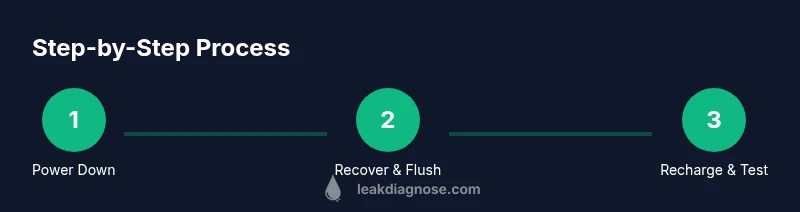
The removal process can be broken into four core phases: (1) power-down and safety checks, (2) refrigerant recovery and system isolation, (3) flushing and cleaning, and (4) reassembly, recharge, and performance testing. Each phase has critical checks to prevent cross-contamination and ensure accurate diagnostics post-removal. This overview helps you prepare your workspace, verify tool readiness, and schedule adequate time for each stage. Always document pressures and component replacements for future service.
Flushing the refrigerant circuit safely
Flushing involves circulating an approved solvent through the refrigerant path to remove stop-leak residues. Use only manufacturer-approved cleaners and follow the product instructions. The goal is to dissolve and carry away contaminants without leaving new residues. After flushing, evacuate the system to remove moisture and air, then dry the components with a clean, inert gas flow prior to recharging. The process reduces the risk of clogging and ensures the new refrigerant charge will perform as intended.
Replacing filters and components after removal
Residues can lodge in filters, driers, and filters in the expansion device. Replacing the drier/receiver and any affected filters is typically advised to prevent future blockages. If the system uses an orifice tube or expansion valve, inspect and replace as needed based on the manufacturer’s guidance. Ensure seals and O-rings are replaced with correct material and torque values to avoid leaks. Proper component replacement helps preserve refrigerant integrity and avoids recurring warranty issues.
Recharging the system and testing
After removal and cleaning, recharge with an appropriate refrigerant type and quantity per the equipment specification. Use a manifold gauge set to monitor pressures, and perform a vacuum test to ensure there is no moisture left. Start the system and observe for stable operation, proper cooling, and any signs of residual leaks. A leak detector can confirm the absence of fresh leaks. Document pressures and temperatures for future reference.
When to call a professional
If you encounter uncertain readings, refrigerant handling requirements, or difficult-to-access service ports, pause and contact a licensed HVAC technician. The complexity of refrigerant recovery, high-pressure systems, and waste disposal means professional support frequently yields safer, more reliable outcomes. If your system carries a warranty, professional service may be required to preserve coverage.
Authority sources and final notes
For homeowners, it’s helpful to consult official guidance from regulatory bodies. See resources from EPA on refrigerant management and OSHA safety standards to understand proper handling, disposal, and protective measures. Also consider referencing Energy Department guidance on air conditioning basics for system sizing and performance expectations. Here are key sources to review for context and compliance: EPA: https://www.epa.gov/section-608/refrigerant-management, Energy.gov: https://www.energy.gov/energysaver/articles/air-conditioners-basics, OSHA: https://www.osha.gov. These references provide foundational safety frameworks that support practical, responsible DIY work and help you plan a compliant removal process.
Quick reminder on density of content and keyword integration
When performing this task, ensure you maintain a clear, logical progression from safety and assessment through flushing and recharging. If you’re sharing this guide publicly, incorporate the exact keyword how to remove stop leak from ac system a few times in natural contexts to maintain readability and helpfulness without keyword stuffing.
Tools & Materials
- Refrigerant recovery machine(Essential if reclaiming refrigerant; ensures safe, legal recovery before removal.)
- Manifold gauge set(Used to verify system pressures before/after removal and recharge.)
- Vacuum pump(Needed to evacuate moisture after flushing.)
- HVAC flush solvent(Use only industry-approved cleaners for your system type.)
- Replacement drier/filters(Replace based on system type and service manual guidance.)
- Torque wrench and seal kits(Ensure proper torque values and O-ring material for leak prevention.)
- Personal protective equipment (PPE)(Safety glasses, chemical-resistant gloves, and a mask.)
- Rags and solvent-safe waste container(For clean-up and safe disposal of waste.)
Steps
Estimated time: 4-6 hours
- 1
Power down and confirm safety
Turn off the thermostat and disconnect power to the outdoor and indoor units. Verify there are no live electrical sources and allow components to cool before handling.
Tip: Double-check capacitors and contactors to avoid shock. - 2
Prepare the workspace and inspect the system
Lay out tools, inspect service ports, and look for signs of active leaks. Document any obvious damage for later reference and plan the removal steps.
Tip: Label lines and keep a clean, organized workspace. - 3
Recover refrigerant
Connect the recovery machine and follow all local regulations to safely recover refrigerant prior to removal. Do not vent refrigerant to the atmosphere.
Tip: Use EPA 608 or equivalent-certified recovery methods. - 4
Isolate the system and prepare for flushing
Close service valves as required and detach lines only where the manufacturer allows. Prepare flush equipment and solvent per instructions.
Tip: Keep track of all valve positions to revert later. - 5
Flush the refrigerant circuit
Circulate the approved solvent through the loop to dislodge residues. Follow product guidelines and perform a final flush with clean inert gas if recommended.
Tip: Do not mix flush products unless specified by the manual. - 6
Evacuate moisture and dry the system
Use the vacuum pump to evacuate the system for a minimum period specified by the equipment manual, pulling a deep vacuum to remove moisture.
Tip: Monitor the vacuum level with the manifold gauge and stop if a leak is detected. - 7
Replace filters and the drier
Install a new drier/filters as recommended by the system manufacturer. Replace O-rings with appropriate material and sealants as required.
Tip: Hand-tighten first, then torque to spec to avoid leaks. - 8
Recharge the system
Recharge with the correct refrigerant type and charge amount per the equipment specification. Use the gauge set to match target pressures.
Tip: Follow the manufacturer’s chart for refrigerant charge based on temperature/pressure. - 9
Test for leaks and performance
Run the system and use a leak detector to verify the absence of leaks. Confirm proper cooling performance and airflow in both modes.
Tip: Check for abnormal noises, vibrations, or temperature fluctuations. - 10
Document results and close up
Record the charge, pressures, and states observed during testing. Reassemble panels, restore power, and clean the workspace.
Tip: Keep a service log for future reference. - 11
Maintenance plan and safety wrap-up
Create a simple maintenance schedule to monitor for leaks and performance. Consider professional checks if the system shows recurring issues.
Tip: Schedule periodic checks to prevent future leaks and ensure safe operation.
Questions & Answers
Is it safe to remove stop leak from an AC system at home?
Removing stop leak can be safe when performed with proper tools and strict attention to safety and local regulations. However, refrigerant handling and disposal are regulated activities, and improper execution can cause system damage or personal injury. If unsure, consult a licensed HVAC professional.
It's safer to consult a licensed HVAC technician if you're unsure about handling refrigerants and flushing.
Will flushing remove all stop leak residues?
Flushing can remove a significant portion of residues, but some materials may bond with internal surfaces. A thorough procedure plus post-removal testing offers the best chance of a clean system.
Flushing helps, but residues can remain; testing is important.
Does removing stop leak affect warranty?
Removing stop leak and performing a professional service can impact warranty coverage if not done according to the manufacturer or authorized service guidelines. Check your warranty terms and document any DIY actions.
Check warranty terms before DIY work to avoid losing coverage.
Do I need to recover refrigerant before removing stop leak?
Yes. Proper refrigerant recovery is typically required before removing stop leak, to avoid venting and to prepare the system for safe flushing and repair.
Recovering refrigerant is a standard safety step before removal.
What happens if stop leak is not removed?
If left in the system, stop-leak residues may continue to cause blockages, affect lubrication, and impair performance. Removing it before recharging improves chances of a reliable repair.
Leaving it can cause ongoing issues; removal improves repair reliability.
When should I seek professional help after attempting removal?
If readings are unclear, if you lack regulatory compliance knowledge, or if recharging and leak testing are required, hire a licensed HVAC technician. They can ensure proper handling and system integrity.
If in doubt about any step, get a professional.
Watch Video
Main Points
- Plan safety-first before any work on the AC system.
- Recovery and flushing are critical to removing stop leak safely.
- Replace filters/drier and recheck pressures after removal.
- Only recharge with the correct refrigerant type and amount.
- Consult a professional if you encounter uncertainties or warranty concerns.