How to Stop Leak in an AC Unit: A Homeowner's Guide
Learn how to stop leak in an AC unit safely with practical, step-by-step instructions from Leak Diagnosis. We cover product selection, compatibility, safety, and when to call a pro for refrigerant leaks.


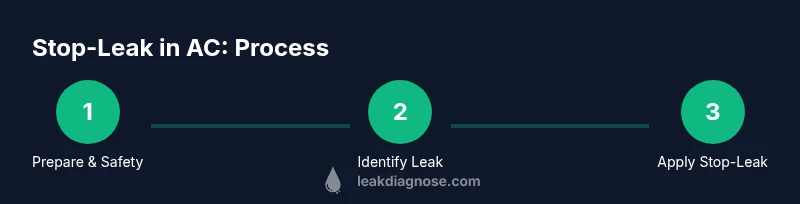
Goal: stop a slow air-conditioner leak with an approved HVAC stop-leak product. This quick-start guide outlines safe preparation, product selection, and proper usage, plus red flags that warrant a professional. According to Leak Diagnosis, using stop-leak in an AC unit carries risks like clogging passages or damaging the compressor, so read the instructions carefully and verify compatibility with your refrigerant before you begin.
Understanding Stop-Leak Products for AC Units
Stop-leak products for air-conditioning systems are additive formulations designed to seal small refrigerant leaks through copper lines and components. They typically circulate with the refrigerant as the system runs and work by depositing sealant at the leak site. For homeowners, it is crucial to know that not all stop-leak products are compatible with every refrigerant type (for example, R-410A vs. R-22) and that some formulations can clog metering devices, filters, or the evaporator coil if misused. According to Leak Diagnosis, the proper use of these products requires strict adherence to the label, the correct dosage for your system size, and careful consideration of the leak location. In many cases, stop-leak is a temporary measure rather than a permanent fix, and professional assessment is advisable if the leak persists or refrigerant recovery is needed. This nuance is a reminder that DIY shortcuts can backfire and lead to more expensive repairs down the line.
Safety First: When to DIY and When to Hire a Pro
Working on an air conditioning system involves electrical components, moving parts, and refrigerants under pressure. DIY attempts can create safety hazards, contaminate the refrigerant circuit, or cause more expensive damage. Always shut off power to the outdoor unit at the breaker before touching any panels or lines. Wear eye protection and chemical-resistant gloves, and ensure the area is well-ventilated. If you hear a hissing sound, smell refrigerant, or see obvious oil pooling near connections, stop and call a licensed HVAC technician. Leak Diagnosis emphasizes that many leaks require professional handling, especially if the leak is on the evaporator coil or inside the compressor housing. A pro will recover refrigerant, assess system integrity, and determine if stop-leak is appropriate as a temporary measure.
Types of Stop-Leak Products and Compatibility
There are several families of stop-leak products marketed for HVAC systems, including polymer sealants and acid-based formulations. The key selection criteria are compatibility with your refrigerant (R-410A, R-22, etc.), operator safety, and whether the product is designed for use with a charged system. HVAC-rated stop-leak products are formulated to circulate with refrigerant and to seal micro leaks at metal surfaces. However, many products can clog relief valves, sensors, or the evaporator if misapplied. Always read the label for dosage, application method, and required recovery steps. If in doubt, consult an HVAC professional or the contractor who installed your unit to confirm compatibility and the best course of action. This is where a clear understanding of your unit’s design and refrigerant type matters, because mismatched additives can void warranties and complicate future repairs.
Assessing Your System Before Using Stop-Leak
Before introducing any additive, confirm the leak is actually present and that the system is not overcharged. Check the service records to know refrigerant type and remaining charge. If you have access to a manifold gauge set, verify the low-side pressure during a steady run; a significant drop may indicate a leak elsewhere. Many issues that look like leaks are due to poor connections or a faulty Schrader valve rather than a true refrigerant loss. Ensure you have a clean service port, correct hoses, and a way to vent or recover refrigerant if required. If the unit is under warranty, check the manufacturer’s policy on stop-leak additives, since some warranties void if additives are detected. This step helps prevent accidental damage from incompatible products or improper charging.
Common Mistakes and Warnings
- Using non-HVAC-rated stop-leak products in a charged system can harden and cause blockages. - Applying more than the recommended dose does not increase sealing power and may worsen blockages. - Injecting stop-leak while the system is leaking through the evaporator coil is unlikely to be effective and can cause coil damage. - Neglecting refrigerant recovery and reconciliation after adding additive can lead to unsafe operation and legal issues. - Relying on stop-leak as a permanent fix rather than planning for professional leak repair will likely lead to repeated failures. This section reinforces why many homeowners choose professional service when facing persistent leaks.
What to Do After Application: Monitoring and Next Steps
If you proceed with a stop-leak treatment, monitor the system for several hours to assess whether the leak has slowed or stopped. Listen for unusual noises, watch for a sudden pressure drop, or notice a return to the target temperature more quickly. After a short run, measure system pressures again and compare to the manufacturer’s specifications. Schedule a professional service call as soon as practical to assess the leak site, confirm compatibility, and consider a proper repair or coil replacement if needed. Even when initial signs look favorable, a professional evaluation is essential to avoid masking a more serious problem and to maintain system reliability. The safest path is to treat stop-leak as a temporary bridge to a thorough repair, not a permanent solution. This perspective aligns with guidance from the Leak Diagnosis team that emphasizes proper diagnosis and expert repair when leaks persist.
Tools & Materials
- HVAC stop-leak product compatible with your refrigerant(Check compatibility for your refrigerant type (R-410A, R-22).)
- Safety goggles(Impact-resistant, vented if possible.)
- Chemical-resistant gloves (nitrile or similar)(Keep hands protected from chemical exposure.)
- Soap bubble solution or refrigerant leak detector(To locate leaks precisely before/after application.)
- Rags/paper towels(For cleanup and to wipe service ports.)
- Manifold gauge set (optional but recommended)(Helpful to verify pressures and charge status.)
- Screwdriver or panel removal tool(To access service ports or panels if needed.)
- Ventilated area or fan(For better air circulation during work.)
Steps
Estimated time: 60-90 minutes
- 1
Power down and prep
Turn off the thermostat and outdoor unit power at the main breaker. Wait a moment for any stored electrical energy to dissipate, then open the access panel if needed. Gather your PPE and tools in a clear workspace so you can work safely without distractions.
Tip: Double-check the breaker off with a non-contact tester before touching any electrical components. - 2
Locate the leak area
Use a soap bubble solution or a refrigerant leak detector to identify the exact leak site. Mark the area with a non-permanent marker and photograph the location for reference. If you cannot locate a visible third-party leak, stop and call a professional to avoid guessing.
Tip: Leaks often occur at connections or service ports; verify those first before assuming a failed component. - 3
Choose a compatible stop-leak product
Select an HVAC-rated stop-leak product that is compatible with your refrigerant type and is designed for use on charged systems. Read the product label for dosage, application method, and any required recovery steps. If in doubt, consult an HVAC professional or the unit’s manufacturer.
Tip: Do not mix different brands of stop-leak or use products not rated for your refrigerant. - 4
Connect and apply the product
Attach the product applicator to the low-side service port as instructed by the label. Inject the recommended amount slowly and evenly, avoiding over-application. Immediately cap the service port after dosing to prevent air ingress.
Tip: Follow exact dosing; overdosing can worsen blockages and harm the compressor. - 5
Test and observe
Power the system back on and run for 10-15 minutes while observing for changes in leaks or pressure. Use the leak detector method again to confirm the seal and monitor for new signs of trouble. Do not refrigerate or touch other components while the system is active.
Tip: If you still detect a leak after testing, stop and contact a licensed HVAC professional. - 6
Plan professional follow-up
Even if the leak appears sealed, schedule a professional inspection to confirm the leak site and perform a proper repair (coil seal, line replacement, or evaporator repair as needed). A professional should recover and recharge the refrigerant with the proper equipment and safety practices.
Tip: Use this as a bridge solution only; professional repair is the long-term fix.
Questions & Answers
Is stopping a leak with a stop-leak product permanent?
No. Stop-leak is typically a temporary measure and does not fix the underlying leak. A professional should assess and repair the root cause.
Stop-leak is usually temporary; you should have a professional assessment for a lasting fix.
Can I use a car stop-leak product in a home AC unit?
No. Car stop-leak formulas are not designed for home AC systems and can cause damage or void warranties. Use HVAC-rated products only.
Don't use car stop-leak products in your home AC system.
Will using stop-leak void my appliance warranty?
Many manufacturers discourage or prohibit additives in the refrigerant circuit, which can void warranties. Check your unit’s manual and warranty terms.
Check warranty terms, as some additives can void coverage.
What if the leak is on the evaporator coil?
Leaks in the evaporator coil are often not suitable for stop-leak products and typically require professional coil replacement or repairs.
Coil leaks usually require a professional repair.
How can I tell if the stop-leak is working?
Look for reduced dripping, stabilized pressures, and gradual cooling performance. A professional should confirm the seal and system integrity.
If you don’t see improvement, stop and consult a pro.
How long should I wait after applying stop-leak before recharging the refrigerant?
Follow the product label. Do not attempt to recharge yourself; a pro should assess and perform any recharge with proper equipment.
Follow the label and let a pro handle any recharge.
Watch Video
Main Points
- Verify refrigerant compatibility before applying any stop-leak.
- Stop-leak is a temporary measure, not a substitute for repair.
- Safety first: power off, PPE on, and use proper detection methods.
- Consult a licensed HVAC technician for leaks beyond a minor surface crack.