How to Get Leaks: A Practical Homeowner's Guide
Learn practical steps to locate, test, and repair leaks in kitchens, bathrooms, and basements. This guide from Leak Diagnosis covers safe DIY methods and when to call a professional for stubborn or dangerous leaks.


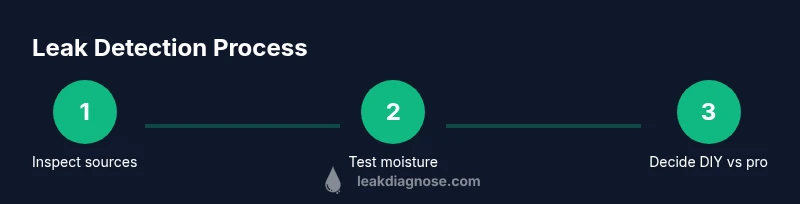
In 3 concise steps, you’ll learn how to begin locating leaks, verify moisture, and decide on safe next actions. First, inspect obvious sources like under sinks and around toilets. Next, use simple tests (meter checks, dye tests) to confirm leaks. Finally, plan DIY fixes for minor issues or call a pro for major, risky leaks.
Understanding what 'how to get leaks' means for homeowners
When people ask how to get leaks, they often mean how to identify moisture intrusion and prevent it from becoming costly water damage. Leaks can originate in plumbing fixtures, appliance connections, or building envelopes like roofs and windows. According to Leak Diagnosis, the most cost-effective fixes come from early detection, careful documentation, and a clear repair plan. This section breaks down common leak pathways, why moisture appears, and how to interpret early warning signs without panic. You’ll learn to map potential leak sources to your living spaces and to track changes over time using simple daily checks, so small issues don’t become large disasters.
Key warning signs include suddenly rising water usage on your meter, damp spot growth, paint or wallpaper peeling, musty smells, and warm, damp spots on walls or floors. Understanding these signals helps you act quickly and minimize secondary damage such as mold and wood rot. The goal is to transition from reactive chasing leaks to proactive prevention by maintaining routine inspections and a basic leak-diagnosis mindset.
Common leak pathways and how moisture travels in the home
Leaks don’t always look dramatic at first glance. Small, persistent drips from dishwasher hoses, loose toilet flappers, or worn faucet seals can silently drive up water bills and damage cabinetry. Pipes hidden in walls or under slabs can leak behind finished surfaces, making discoveries costly. Roof flashing, gutter blockages, and failed chimney seals are frequent exterior sources that allow water to seep indoors during rain. By understanding typical routes, you can prioritize inspection areas and allocate your time efficiently. Leak Diagnosis notes that many homeowners underestimate the cumulative effect of small leaks, especially when multiple minor leaks interact with seasonal changes.
Spotting moisture patterns is crucial: check for mineral buildup on fittings, identify discolored drywall, and monitor for damp cabinet bases. Keeping a home moisture diary—date, location, and observed signs—helps you notice patterns and predict when a leak is likely to worsen. Early detection supports fewer invasive repairs and reduces overall repair costs.
How to approach leak testing safely and effectively
Before you start testing for leaks, establish safety: turn off unrelated water supply if you’re probing a suspected line, and never work on live electrical components near water. Use simple, non-destructive tests first: inspect visible connections, tighten loose fittings, and look for crusted mineral deposits that indicate a slow leak. A basic water-meter test—turn off all fixtures, then watch the meter for 1–2 hours—can reveal hidden leaks when the value changes without any usage. Dye tests for toilets are a classic, low-cost method to confirm flapper leaks. If you notice persistent moisture after these checks, escalate to more precise methods or call a licensed professional. This approach aligns with Leak Diagnosis guidance on balancing safety with effective detection.
A moisture meter or infrared camera can extend your detection capabilities, especially behind walls. If you don’t own these tools, you can often rent them from hardware stores or borrow from neighbors. Document each test with photos and measurements to support any DIY fixes or contractor visits. A structured approach reduces guesswork and protects your home from unnecessary damage.
DIY tools and techniques you can use now
Start with the essentials: a flashlight for visibility, a dry towel, a notepad for notes, and a basic set of hand tools to tighten fittings. For more definitive checks, use a dye tablet kit for toilets, a calibrated water meter, and, if available, an infrared thermometer or moisture meter. When testing, never force open drywall or insulation to inspect for leaks unless you’re prepared for wall repairs. Small checks can prevent larger, more invasive work later.
If you uncover a leak that involves piping or a water supply line, prioritize turning off the main shutoff to avoid further damage. For appliance-related leaks, unplug or power down the device before inspecting hoses and connections. Always wear gloves and eye protection when working around water and electrical components. Proper preparation makes DIY fixes safer and more effective.
From discovery to decision: DIY fixes vs. professional help
Not every leak demands a pro, but some do. Minor seal replacements, tightening fittings, and replacing worn hoses are often DIY-friendly. However, leaks behind walls, under slabs, or within a structural component require professional expertise to prevent further damage or safety hazards. If you’re unsure about the extent of the leak, or if water damage has already affected electrical systems, it’s wise to contact a licensed plumber or contractor. Leak Diagnosis emphasizes documenting the leak’s location and severity before you hire help to ensure you get accurate quotes and effective repairs.
When you do hire a pro, come prepared with your inspection notes, photos, and a rough estimate of the area affected. This information helps the contractor diagnose the root cause quickly and reduces unnecessary visits. A thoughtful, well-documented approach shortens project time and lowers overall costs.
Maintenance habits that prevent future leaks
Prevention is cheaper than cure. Regularly inspect plumbing connections, especially around sinks, dishwashers, and washing machines. Replace aging hoses and seals at suggested intervals, and consider upgrading to leak-resistant fixtures with shutoff valves. Keep roofs and gutters clean, especially before heavy rains, and inspect exterior walls after storms for signs of moisture intrusion. Seasonal checks—with a quick boot-tide around windows, doors, and skylights—help you catch problems early. A simple maintenance calendar can turn leak prevention into a routine habit rather than a reactive chore.
Remember, even small, ongoing leaks can lead to substantial damage over time. By adopting a proactive mindset and maintaining spot checks, you’ll protect your home’s structure and preserve its value.
Safety first: handling leaks near electrical systems
Water and electricity are a dangerous combination. If you suspect a leak near outlets, switches, or wiring, avoid turning on electrical devices in the affected area and call a licensed electrician for guidance. Do not attempt major electrical work yourself. Keep children and pets away from wet areas while you assess and address leaks. If you need to enter spaces with potential structural damage (wet ceilings, sagging walls), evacuate and consult professionals to prevent injury. Safety is the top priority when addressing leaks in any part of the home.
Tools & Materials
- Flashlight(Bright, preferably LED; helps you spot moisture behind fixtures.)
- Dry towel or cloth(Use to dry surfaces for accurate spotting.)
- Moisture meter or infrared camera (optional)(Useful for hidden leaks behind walls.)
- Dye tablets or food dye kit for toilets(Simple way to test toilet flappers.)
- Water meter (readout or smart meter)(Monitor usage to detect unseen leaks.)
- Basic plumbing wrench set(Tighten or replace fittings safely.)
- Gloves and protective eyewear(Personal safety when handling water and cleaners.)
- Buckets, towels, and rags(Contain and clean up leaks during testing.)
- Notepad and camera(Document locations, severity, and timing.)
Steps
Estimated time: 2-6 hours
- 1
Identify potential leak sources
Inspect visible fixtures, appliance connections, and accessible pipes for dampness, staining, or mineral buildup. Create a quick map of likely spots in each room.
Tip: Use a flashlight at low angles to reveal moisture on surfaces. - 2
Check the main water meter after shutoff
Close all taps and fixtures, wait 1–2 hours, then observe the meter. Any movement indicates a leak somewhere in the system.
Tip: Take a photo of the meter reading for reference. - 3
Perform a toilet dye test
Add dye tablets to the tank and wait 15–30 minutes. If colored water appears in the bowl, the toilet has a leak.
Tip: Test on different days to rule out temporary fluctuations. - 4
Inspect appliance connections
Check hoses and supply lines on the washing machine, dishwasher, and water heater. Tighten fittings and replace worn hoses as needed.
Tip: Power down the appliance before inspecting electrical components. - 5
Scan for hidden moisture
Use a moisture meter or IR camera to probe behind walls, under floors, and in cabinets where leaks may hide.
Tip: Rent or borrow equipment if you don’t own it. - 6
Evaluate exterior sources
Inspect roof flashing, gutters, downspouts, and window seals for signs of intrusion during rain.
Tip: Check after a rainstorm for real-time clues. - 7
Document findings
Photograph each hotspot, note dates and observed severity, and note any temporary fixes attempted.
Tip: Maintain a simple leak diary to track progress. - 8
Decide on DIY vs. professional help
If the leak is structural, behind walls, or involves electrical risk, hire a licensed professional. For small fittings, DIY may suffice.
Tip: Always err on the side of safety if unsure.
Questions & Answers
What is the quickest way to tell if I have a leak?
Start with the water meter after shutting off fixtures to see if it still moves. Then perform a toilet dye test and inspect visible pipes for dampness. These steps often reveal the source without major work.
Check your water meter with all taps off, then run a quick toilet dye test and inspect visible pipes for moisture.
Can I fix leaks myself, or should I hire a professional?
Small fixes like tightening fittings or replacing hoses are often DIY-safe. Leaks behind walls, under slabs, or involving structural components typically require a licensed plumber to prevent further damage.
DIY can cover simple fittings, but complex leaks behind walls or near electrical systems usually need a pro.
What tools are essential for leak detection?
A flashlight, moisture meter or IR camera, dye tablets for toilets, a notepad, and basic wrenches are core tools. These help you identify and document leakage safely.
You’ll need a flashlight, moisture meter, dye tablets for toilets, and a notepad to log findings.
How often should I inspect for leaks?
Do a quick check every 3–6 months, and after heavy rains or freezes. If you have known vulnerable spots, inspect monthly until resolved.
Do quick checks every few months, especially after storms, and inspect more frequently if you know risky spots.
Are leaks dangerous to health or safety?
Prolonged moisture can lead to mold and structural damage, which pose health risks. Address leaks promptly and ventilate damp areas.
Moisture can lead to mold and structural problems, so address leaks quickly and vent damp areas.
What signs indicate a roof or exterior leak?
Look for ceiling stains, bubbling paint, and damp insulation after rain. Exterior checks should include flashing integrity and clogged gutters.
Watch for ceiling stains after rain and check roof flashing and gutters for issues.
Watch Video
Main Points
- Identify leaks early to reduce damage and cost
- Use meter tests and dye tests for quick verification
- Decide DIY vs. pro based on location and risk
- Maintain preventive checks to avoid repeats