What to Put in a Radiator to Stop a Leak: Safe DIY Fixes
Discover safe, practical ways to stop a radiator leak. Learn what you can put in a radiator to stop a leak, how sealants work, and when to call a pro.


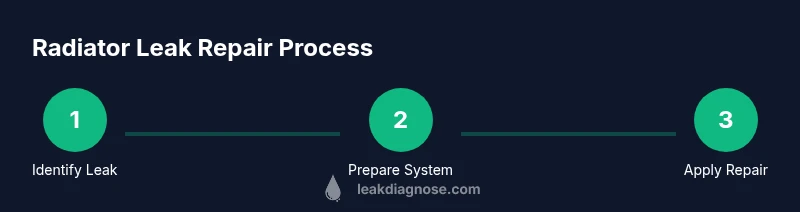
To stop a radiator leak, use radiator-safe sealants or epoxy designed for cooling systems. Start by identifying the leak, then isolate the area, apply the product per instructions, and allow it to cure before refilling. Finally, test the system at low pressure and monitor for drips.
What can you put in a radiator to stop a leak
A common question homeowners ask is what can you put in a radiator to stop a leak. The honest answer is that temporary, preventive, and permanent options exist, but not every fix is suitable for every leak. According to Leak Diagnosis, the best short-term methods involve cooling-system approved sealants or epoxy putties that are designed to work with antifreeze and pressure. Before you choose a product, inspect the leak type: is it a pinhole, a seam, or a gasket area? Small drips from fittings are often easier to seal than large cracks. Always drain a small portion of coolant to reduce pressure, and ensure the system is cool before starting any repair. You'll want to have the right cleaner, rag, and PPE ready. In many cases, a reputable stop-leak product can slow or stop a tiny leak, giving you time to plan a proper repair. However, if the leak is from a corroded radiator body, a professional repair is more reliable. Use only products labeled for use in household heating systems, and follow the manufacturer's directions to avoid damage to hoses, radiator fins, or the boiler seals.
How cooling-system sealants work
Sealants designed for radiators are typically liquid suspensions or putty-like formulations that circulate with coolant and seal small gaps as they contact pressurized metal surfaces. They travel with the coolant to reach pinholes or hairline cracks. When properly used, they fill the gap without clogging the heater core or radiator channels. The key is compatibility: choose products that list compatibility with your type of radiator (cast iron, steel, aluminum) and coolant type (ethylene glycol vs propylene glycol). The wrong product can gum up the system or create blockages. Sealants are often considered temporary fixes intended to buy time until a professional repair or part replacement is possible. For best results, flush and fill the system to the recommended concentration after applying, and avoid overfilling, which raises pressure. If you need to test, perform a low-pressure check with a safe pressure rated tool rather than relying on the car’s or boiler’s full pressure gauge. Remember: no sealant will fix a deep crack; address structural damage with a replacement radiator or component.
Pros and cons of common options
- Radiator-safe sealants: Pros: quick, inexpensive; Cons: temporary, may clog passages and require flushing later. - Epoxy putty: Pros: strong seal for pinholes; Cons: difficult to apply, cure time needed. - Solder or welding: Pros: permanent seal for metal leaks; Cons: requires skill and can void warranties. - Professional repair: Pros: reliable, long-lasting; Cons: higher cost and appointment wait times. Each option depends on leak type, radiator material, and system pressure.
Safety, testing, and when to call a pro
Safety first: never work on a hot radiator or boiler. Ensure the system is completely cool, depressurize if possible, and wear gloves and eye protection. After applying a sealant, ventilate the area and avoid mixing products unless the label says it’s safe. When testing, use a low-pressure gauge and observe for drips over several minutes. If you notice continuous leaks, corrosion, or cracks, stop and contact a licensed heating technician. A professional can verify the integrity of joints, seals, and radiator cores and advise on replacement if necessary.
Brand guidance: What the Leak Diagnosis team recommends
According to the Leak Diagnosis team, always choose products rated for heating systems and follow the manufacturer’s instructions precisely. They recommend starting with a small test patch on a low-pressure portion of the loop, ensuring compatibility with your coolant. Leak Diagnosis analysis suggests that while stop-leak products can provide a temporary remedy, persistent leaks or visible corrosion require professional evaluation for a safe, long-term solution.
Tools & Materials
- Radiator-safe sealant (cooling-system rated)(Choose product compatible with your radiator type and coolant; read label)
- Epoxy radiator repair kit(Optional for pinhole leaks or larger gaps)
- Gloves(Nitrile recommended for chemical resistance)
- Safety goggles(Eye protection is essential)
- Catch pan or bucket(To collect drained coolant)
- Rags or towels(For spills and cleanup)
- Coolant(Top up after repair if needed)
- Wrench set(If you need to disconnect hoses or fittings)
Steps
Estimated time: 60-120 minutes
- 1
Assess the leak and safety
Inspect the radiator area when cold, locate the exact source, and determine if the leak is from a seam, hose, or valve. Gather PPE and a clean workspace before you start.
Tip: Never open the radiator cap when the system is hot. - 2
Isolate the area and protect the workspace
Place a catch pan beneath the leak, and prepare towels to catch drips. If possible, isolate the section of the loop to minimize coolant loss.
Tip: Work in a well-ventilated area; spilled coolant can be slippery and hazardous. - 3
Choose the repair product
Read product labels to confirm compatibility with your radiator material and coolant. Decide between a sealant for small leaks or an epoxy patch for a stronger fix.
Tip: Avoid mixing products unless the label explicitly states it’s safe. - 4
Apply the repair product
Follow the product directions precisely. Clean the leak area, apply the sealant or epoxy, and hold as directed until cured. Keep the area stable to avoid disturbance.
Tip: Keep the nozzle clean and avoid applying excessive pressure during application. - 5
Cure, refill, and test
Allow the product to cure as recommended, then refill coolant to the proper level. Start the system at low pressure and observe for any leaks over several minutes.
Tip: Do a slow, progressive test rather than a full power run immediately. - 6
Plan next steps
If leaks persist or corrosion is evident, schedule a professional inspection and consider radiator replacement. Keep a log of observations for future reference.
Tip: A temporary fix should not delay a long-term repair plan.
Questions & Answers
Is it safe to use radiator stop-leaks in a home heating system?
Yes, when you choose products rated for heating systems and follow directions. They’re typically a temporary fix and not a substitute for professional repair if the leak is large or the radiator is corroded.
Yes, but choose heating-system rated products and treat it as a temporary fix.
Can stop-leak products clog my radiator?
They can cause clogs if misused or overused. Follow recommended amounts and flush if needed after sealing.
They can clog passages if misused, so follow the label precisely.
How long does it take for a sealant to work?
Most products show results within minutes to a few hours, depending on the leak and system pressure. Do not expect a miracle for large cracks.
It varies by product, usually minutes to hours.
When should I replace the radiator instead of sealing?
If leaks persist after applying a sealant or you see severe corrosion or a crack, replacement is the safer long-term option.
If leaks persist or there’s serious corrosion, replace the radiator.
Can I drive my boiler after applying sealant?
Only if the system pressure is within safe limits and you’ve tested for leaks. If in doubt, avoid driving until a professional has inspected it.
Only under safe pressure after testing; otherwise avoid driving.
Watch Video
Main Points
- Sealants offer quick relief for small leaks
- Use only heating-system rated products
- Persistent leaks require professional repair
- Follow safe testing practices after repair