How to Leak a Radiator: Safe Diagnosis and Repair
Learn safe, practical steps to diagnose, contain, and repair radiator leaks, prevent water damage, and decide when to call a pro. Includes tools, tips, and safety guidelines from Leak Diagnosis.


This guide shows how to safely identify and fix a radiator leak and prevent future water damage. Important: do not attempt to create a leak. Instead, shut off the boiler, drain the radiator, locate the leak source, and apply proper repairs or call a professional.
Understanding radiator leaks and safety
Radiator leaks are a common sign of aging heating systems. If you search for 'how to leak a radiator', know that creating a leak is dangerous and can void warranties or violate local codes. This article, by the Leak Diagnosis team, explains safe detection and repair strategies that stop leaks and protect your home. According to Leak Diagnosis, the most frequent sources are worn seals, corroded joints, and loose fittings at valves and connectors. Left unchecked, a small drip can lead to damp walls, mold growth, and higher energy bills as the boiler works harder to maintain pressure. Before you touch any part of the radiator or boiler, ensure the system is cold and power is off. Water under pressure can cause scalding injuries and frost damage in winter rooms. Keep a bucket or towel nearby and prepare for minor water spills as you inspect. This section frames the repair mindset: safety first, containment second, repair third. Modern radiators rely on a network of valves, fittings, and metal pipes; every connection is a potential leak point.
Safer approach: Identify, Contain, and Repair
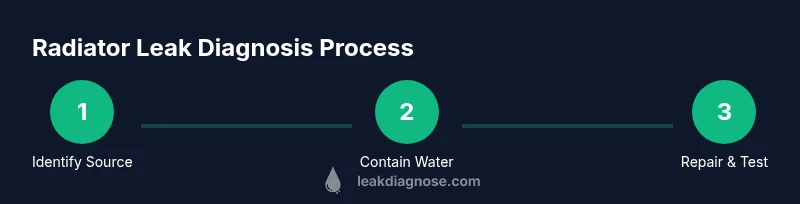
When a leak is suspected, the safest path is a disciplined three-step approach: identify the source, contain the water, and perform a repair or replacement. Start by turning off the boiler and isolating the radiator from the heating circuit if possible. Wait for the radiator to cool before touching it. Place towels and a shallow container to catch drips. This preventive step reduces water damage and protects floors, walls and electronics nearby. Use a service key or adjustable wrench to inspect commonly leaky points: bleed valve, valve packing nuts, end caps, and pipe joints near the radiator. If you find a loose connection, tightening may stop the drip; if the fitting is worn or corroded, you will likely need a new seal, valve packing, or a replacement component. If you’re unsure or the leak persists, the safest choice is to call a licensed plumber. This approach prioritizes safety and minimizes water damage while preserving boiler efficiency. Ongoing, regularly inspecting fittings and seals can reduce the likelihood of future leaks and extend the life of the system. Routine checks also help you spot early signs of corrosion before a major failure occurs.
Common leak points and fixes
Most radiator leaks originate at a few predictable locations. The bleed valve can drip if the seat or washer wears out; tightening the packing nut at the radiator valve can stop a small leak, or you may need to replace the washer. End caps and pipe joints near the radiator can crack or loosen with age; note moisture on the floor near pipe elbows as a clue. Leak repairs may involve resealing threads with PTFE tape, replacing worn gaskets, or installing a new valve. If the radiator is connected to a vinyl or copper pipe, ensure the pipe is not corroded; replacing a short section may resolve the drip quickly. In many cases, leaks at elbows or joints can be resolved with a proper sealant or by tightening hardware, but only if the threads are not damaged. For larger cracks or a corroded panel, replacement is usually the safest option to avoid ongoing damage. Do not attempt to weld a damaged radiator without proper equipment and expertise. Always drain the system and vent air after repairs to restore correct pressure and heat circulation.
Step-by-Step Safe Leak Diagnosis and Repair
This section provides a practical workflow you can follow on a basic radiator leak in a home setting. The steps below are designed for safety and effectiveness, with a focus on obvious sources first and escalation only when necessary.
Maintenance and prevention to extend life
Preventive maintenance can dramatically reduce the likelihood of future radiator leaks. Regularly inspect valve packing, end caps, and joints for corrosion or moisture; replace worn seals promptly. Schedule annual checks of the boiler pressure gauge and bleed valves to ensure proper system balance. Clear any debris from around radiators and ensure that the room remains dry to prevent mold growth. Remember, keeping to a routine maintenance schedule is the best defense against costly emergency repairs and water damage. The Leak Diagnosis team emphasizes that proactive care not only stops leaks but also improves energy efficiency and comfort across seasons.
Tools & Materials
- Bucket(Large enough to hold drained water without spilling)
- Rags or towels(Multiple dry towels for cleanup and catching drips)
- Drain pan or tray(Under radiator valve to catch discharge)
- Adjustable wrench(For radiator valves and fittings)
- Screwdrivers (flat and Phillips)(For valve components or covers)
- PTFE tape (plumber’s tape)(Seal threads on fittings)
- Replacement washers or valves(Only if existing parts wear out)
- Gloves(Protect hands from sharp edges and hot surfaces)
- Flashlight/torch(Inspect dark corners or joints)
- Sealant or radiator-safe stop-leak(Follow manufacturer guidance; temporary use only)
Steps
Estimated time: 60-90 minutes
- 1
Power down and cool the system
Shut off the boiler and allow the radiator to cool completely before touching any parts. This prevents scalding and reduces pressure in the loop.
Tip: Never work on a hot radiator or boiler; wait until it’s cool and the code/boiler is in a safe state. - 2
Isolate the radiator and drain a little
Close any isolation valves and place a drain pan under the lowest point of the radiator. Open the drain valve slowly to release pressure and bring the water level down to a safe height.
Tip: Keep towels ready for minor spills and avoid letting water run onto electrical outlets. - 3
Inspect the leak source
Look for the most likely points: bleed valve, valve packing, end caps, and pipe joints. Note any corrosion, loose fittings, or cracked components.
Tip: Tighten only what is not damaged; overtightening can worsen threads or seals. - 4
Repair or replace as needed
If a seal is worn, replace the washer or packing. If joints are cracked or threads are damaged, replace the affected parts. Do not weld or apply permanent patches to cracked radiators.
Tip: If you’re unsure, replace the faulty parts or call a licensed plumber for safety. - 5
Refill, bleed, and test
Close the drain, refill the system to the correct pressure, bleed air from the radiator, and run the boiler to test for leaks. Monitor for a full cycle to ensure stability.
Tip: Keep an eye on the pressure gauge for the first few hours after repair.
Questions & Answers
What is the most common radiator leak source?
The most common radiator leaks come from valve seals, the bleed valve, or joints where pipes connect to the radiator. Regular inspection can identify these wear points before they become serious.
Most leaks come from valve seals or joints; check these first if you notice dripping.
Is it safe to fix a radiator leak myself?
Small leaks at accessible valves are often fixable by a careful homeowner. More complex leaks near the boiler or where pipes run may require a licensed plumber to avoid safety hazards.
You can handle simple valve leaks, but call a pro for anything near the boiler or hidden pipes.
What should I do right away if I find water on the floor near a radiator?
Shut off the boiler, close the radiator valve if possible, and place towels or a bucket to catch drips. Then assess whether you can safely perform a basic repair or need professional help.
Turn off the heat, catch the drips, and decide if you can safely fix it yourself or call a pro.
Do I need to drain the entire heating system to fix a leak?
Not always. Many radiator leaks can be addressed by draining just the affected radiator or section of the loop. A full system drain is only needed for certain repairs.
Usually you drain just the radiator area, but some fixes require more of the system.
Can stop-leak products fix radiator leaks long-term?
Stop-leak products may provide a temporary stop for minor leaks, but they are not a substitute for proper sealing or part replacement. Follow manufacturer guidance and plan for a proper repair.
Stop-leak products are often temporary and not a substitute for real repairs.
When should I replace a radiator instead of repairing it?
If the radiator shows extensive corrosion, large cracks, or recurring leaks after repairs, replacement is usually the better option for safety and reliability.
If repairs keep failing, replacement is the safer long-term choice.
Watch Video
Main Points
- Inspect common leak points (bleed valve, packing nut, joints) first
- Shut off power and cool components before touching any parts
- Drain, repair, and test carefully to restore safe operation
- Replace worn parts rather than patching cracks for long-term reliability
- Consult a pro if the leak involves the boiler or persists after basic fixes