How to Stop Leaking Toilet: Quick DIY Guide 2026 Today
Learn practical, safe steps to stop a leaking toilet quickly, with a DIY-friendly guide, ideal for homeowners tackling common leaks and running toilets.


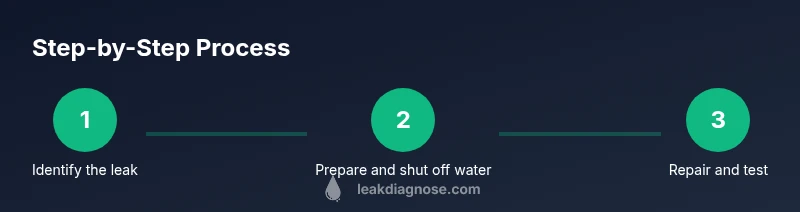
Quick answer: To stop a leaking toilet, shut off the main water supply, drain the tank, and inspect common failure points such as the flapper seal, fill valve, and wax ring. Replace worn parts with standard kit components, tighten threaded connections, and double-check the supply line. Refill the tank, flush, and monitor for signs of continuing leakage. If leaks persist, call a licensed plumber.
Why toilets leak and what it means
A leaking toilet is usually a sign that one or more components inside or around the tank are failing. The good news is that many leaks are do-it-yourself friendly and can be stopped with common parts and careful inspection. If you’re wondering how to stop leaking toilet, you’re typically dealing with worn seals, loose connections, or a damaged valve.
In most homes, the leak is not a dramatic flood but a slow drip or a steady trickle. Left unaddressed, a leak wastes water, raises utility bills, and can cause water damage over time. Taking methodical steps now can save you time and money, and prevent bigger problems later. This guide focuses on safe, practical fixes homeowners can perform with everyday tools.
How to diagnose the source of the leak
Diagnosing where the leak originates is the first critical step. Start by observing when the water shows up: is it from the base, the tank, the supply line, or the bowl seam? Use a dry towel to wipe suspected areas and look for moisture after a few minutes of operation. A dye test—adding food coloring to the tank and watching for color in the bowl—can confirm whether the flapper seal or a crack in the tank is the culprit. Remember, a leak can occur in more than one place, so verify each potential point.
Common leak sources include the wax ring at the base (base leaks), the flapper in the tank (stays open or allows water to drain), the fill valve (dripping from the valve or nut), and the supply line connections (loose nuts or worn washers). Safety first: turn off the valve before you begin and have towels or a bucket ready for any residual water.
Common culprits and how to confirm
The most frequent causes of toilet leaks are worn flappers, faulty fill valves, degraded wax rings, and loose or corroded supply lines. Confirm a wax ring issue by watching for water at the base after a flush, or by gently wiggling the toilet to see if it shifts. Flappers can warp over time or accumulate mineral deposits that prevent a tight seal. If the tank refills continuously or the flush is weak, inspect the fill valve and float. Tightening or replacing components often resolves the leak, but some cases require reseating the entire toilet.
If you’re not sure about the flange’s condition, lift the toilet carefully and inspect the flange and levelness of the floor around it. A damaged or recessed flange can cause a persistent base leak and may require professional help.
Safety and planning before you start
Repairing a leaking toilet is usually safe for a DIYer, but planning makes the job quicker and cleaner. Turn off the water, drain the tank, and place a bucket or towels to manage residual water. Gather the right tools and replacement parts before you begin so you don’t get halfway through and discover you’re missing a gasket or valve. Work slowly and avoid forcing components; rigid plastic parts can crack if overtightened.
If the toilet is older or the flooring around it is damaged, consider whether you should reseat the toilet or replace the wax ring with a silicone gasket alternative. In some cases, a loose flooring surface or a corroded flange is the true culprit, and warrants cautious handling or professional assistance.
After repair: maintenance and prevention
Once you’ve stopped the leak, reassemble everything carefully and test for leaks. Refill the tank, flush a few times, and watch for any sign of water moving where it shouldn’t. Regular maintenance helps prevent future leaks: replace worn flappers and valves on a routine schedule, keep the area around the base dry to detect early leaks, and check the supply line for signs of corrosion. A quick monthly check for any damp spots and a yearly inspection of the wax ring area can catch problems before they become costly.
Quick-start checklist for immediate action
- Shut off water at the valve behind the toilet.
- Flush to empty the tank and bowl; dry all surfaces.
- Inspect the flapper, fill valve, and wax ring for wear or damage.
- Replace worn parts with standard, compatible components.
- Refill and test; observe for new leaks over 24 hours.
Tools & Materials
- Adjustable wrench(For nuts on the supply line and tank bolts)
- Screwdrivers (Phillips and flat-head)(Needed for flapper screws and valve adjustments)
- Bucket(Catch water during teardown)
- Towels or rags(Keep area dry and safe for footing)
- Toilet wax ring (or wax-free gasket)(Replace if base leak suspected)
- Replacement flapper(Optional if worn or warped)
- Replacement fill valve(Use if valve is leaking or consistently misbehaving)
- Toilet supply line washer/seal(Inspect for corrosion and replace as needed)
- Plumber's tape (Teflon tape)(Use on threaded connections if needed)
- Gloves(Protection from grime and bacteria)
Steps
Estimated time: 30-60 minutes
- 1
Shut off water and drain
Locate the shut-off valve behind the toilet and turn it clockwise until snug. Flush the toilet to drain the tank completely, then use a sponge or towel to remove remaining water from the tank and bowl.
Tip: Keep a bucket handy for any remaining water during teardown. - 2
Inspect the flapper and chain
With the tank exposed, check the flapper for cracks, warping, or mineral buildup. Ensure the chain has just enough slack to seal properly without binding.
Tip: Perform a quick dye test by placing a few drops of food coloring in the tank and watching for color in the bowl. - 3
Check the fill valve and overflow
Inspect the fill valve nut and overflow tube for leaks. Tighten fittings if loose, and replace the valve if it shows signs of wear or constant dripping.
Tip: Avoid overtightening plastic fittings; snug is enough to stop leaks. - 4
Assess the base seal (wax ring)
If you notice water at the base after flushing or a wobbly toilet, the wax ring or flange may be compromised. This requires loosening the toilet, cleaning the flange, and re-seating with a new wax ring.
Tip: Ask a helper to steady the toilet while you lift it to avoid chipping the wax ring. - 5
Tighten and reseal supply lines
Check the supply line nuts for tightness and replace washers if visible wear is present. Reconnect carefully and dry the area to confirm there are no leaks.
Tip: Use plumber’s tape on threaded connections if you notice small drips after reassembly. - 6
Test for leaks and reassemble
Turn the water back on, fill the tank, and flush several times to ensure the leak is resolved. Re-tighten any components if you see minor seepage but avoid over-tightening.
Tip: Leave a towel under the base for the first 24 hours as a leak monitor. - 7
Decide if you need professional help
If leakage continues at the base after wax ring replacement or you encounter a corroded flange, consider a plumber’s assessment. Complex flange issues or floor damage often require professional tools.
Tip: Document the steps you took and any parts replaced to expedite professional service.
Questions & Answers
What is the most common reason a toilet leaks at the base?
The most common cause is a failing wax ring or damaged flange. Replacing the wax ring and reseating the toilet typically resolves base leaks. If the floor or flange is damaged, professional help may be required.
Most base leaks come from a worn wax ring or damaged flange. Replacing the wax ring and reseating the toilet usually fixes it, but call a pro if the floor is damaged.
How can I tell if the fill valve is the problem?
A constantly running toilet or a dripping fill valve around the nut typically indicates a faulty valve. Replacing the valve or adjusting the float and nut can fix the leak.
If the toilet won’t stop running or you see water around the fill valve, that’s a sign the valve may be faulty. Replacing it usually stops the leak.
Is it safe to use sealants or chemicals to stop a leak?
Most leak-stop products are not recommended for toilets. They can seal temporarily but may cause future issues. Rely on proper parts replacement and reseating for long-term control.
Chemicals aren’t a long-term fix for toilet leaks. Replace the faulty parts and reseal for lasting results.
When should I call a plumber for a leaking toilet?
Call a plumber if the leak persists after replacing flappers, valves, or wax rings, or if the flange and floor show damage. A professional can assess hidden issues and ensure a proper seal.
If the leak keeps coming back after you’ve replaced the usual parts, it’s time to bring in a pro.
How long does toilet leak repair typically take?
Most repairs take 30-90 minutes for a single-leak fix, depending on the leak source and if you need to lift the toilet to replace the wax ring.
Most repairs take about 30 to 90 minutes, depending on the leak and parts involved.
Can I replace a wax ring myself if I’m unsure about the flange?
Yes, you can replace a wax ring yourself if you’re comfortable lifting the toilet and reseating it. If you find a damaged flange or uneven floor, consider professional help.
You can DIY a wax ring if you’re handy, but don’t hesitate to hire a pro if the flange or floor is damaged.
Watch Video
Main Points
- Identify the leak source first to guide repairs.
- Most leaks stem from flappers, valves, or wax rings.
- Shut off water and drain safely before starting work.
- Test thoroughly after repairs and monitor for 24 hours.