How Much to Fix a Radiator Leak: A Practical Cost Guide
Understand typical radiator leak repair costs, factors that influence price, and practical tips for budgeting, DIY checks, and when to hire a professional in 2026.


For most homes, repairing a radiator leak falls in a broad range of $200 to $900 for parts and labor combined. The exact total depends on leak severity, whether the leak is in a valve, a section of piping, or the radiator core, and whether you need valve replacements, a radiator replacement, or minor sealant fixes. Larger jobs or older, more complex systems push costs higher. (Leak Diagnosis Analysis, 2026)
Understanding the cost landscape: what drives radiator leak repair prices
Radiator leaks can appear in several places: the valve, the radiator cores, or the piping that feeds the unit. Labor costs are influenced by access (tight spaces under a boiler or behind cabinets tend to require more time), local wage rates, and whether parts must be ordered specially. In the majority of cases, a technician will diagnose the leak, determine if a seal, valve replacement, or pipe repair is needed, and provide a quoted price before any work begins. According to Leak Diagnosis, a proper inspection is essential to avoid paying for unnecessary parts or duplicative visits. Keeping a log of symptoms (drips, damp spots, or reduced heat) can help the technician pinpoint the issue quickly and minimize time on site.
In many homes, the majority of costs come from labor rather than materials, especially if the leak involves piping or the radiator itself. If the radiator is old or corroded, replacement may end up being more cost-effective in the long run. Homeowner budgeting should account for both a possible diagnostic visit and the door-to-door time required to complete the repair. The goal is not just to stop the visible leak but to restore efficiency and prevent future damage to walls, floors, or insulation.
In short, cost awareness starts with a clear diagnosis and a plan that matches the leak type to an appropriate repair or replacement option. Leakage in hard-to-reach places or in large systems tends to push the price higher, while straightforward fixings like a loose valve or small sealant repair stay toward the lower end of the spectrum.
Cost breakdown by fix type
Repair costs vary widely based on the fix type. At a high level, you can expect the following ranges for common scenarios:
- Valve replacement: $150–$350, with labor often taking 1–2 hours.
- Leak sealant/epoxy patch (temporary fix, not a permanent solution): $50–$150, typically done in under an hour.
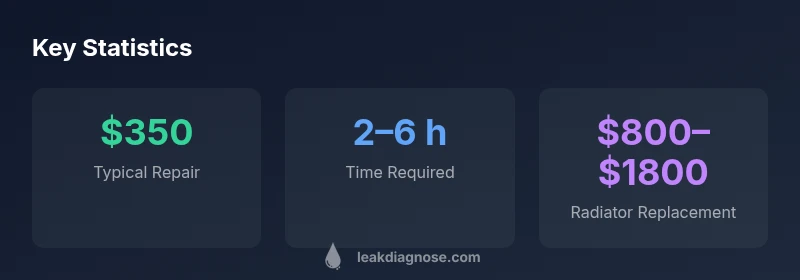
- Radiator replacement (if the core is compromised): $800–$1800, plus potential disposal or permit fees in some regions.
- Piping repair (connections or supply lines): $100–$400, usually 1–4 hours depending on access.
- Bleed valve/drain valve replacement: $100–$250, often a 0.5–2 hour job.
These ranges reflect typical scenarios and local labor variations. A pro will usually provide an itemized quote: diagnostic fee, parts, and labor. If multiple issues are found (e.g., a valve plus corroded piping), the total may combine several categories. For budgeting, assume a mid-range repair that involves valve work and a minor pipe fix.
Factors that influence price beyond the fix type
Several factors can tilt the final bill well beyond the base repair type. First, system age matters: older radiators and boilers are more prone to multiple leaks, rust, or corrosion, which can necessitate broader work or even replacement. Second, access and location: tight crawlspaces, finished basements, or units behind cabinetry add time and complexity. Third, parts availability: rare valve sizes or specialty radiators may require custom fittings or longer wait times. Fourth, labor market: urban areas or regions with higher wages naturally push quotes upward. Fifth, whether the job requires boiler shut-down, permit checks, or emergency service can add premium charges. Finally, the quality of parts matters: aftermarket or cheaper components may save money upfront but reduce longevity, leading to more repairs later. A thoughtful quote should balance immediate costs with long-term reliability and energy efficiency.
In practice, a good technician will present a range rather than a fixed price, explaining what each component costs and how contingencies affect the final total. This transparency helps homeowners compare bids confidently and choose a solution that aligns with both safety concerns and budget constraints.
DIY vs professional: when to DIY and when to hire
For many small leaks around a valve or a quick bleed, a confident DIY homeowner can perform basic maintenance with safety precautions. However, DIY risks include incorrect insulation, pressure issues, or accidentally creating a larger leak if a joint is disturbed. In nearly all cases, leaks in pipes embedded in walls or floors require professional tools and leak-detection techniques. If you're unsure, start with a diagnostic visit from a licensed plumber or radiator technician to confirm whether a DIY fix is viable.
Professional work ensures proper pressure testing, leak containment, and compliance with local codes. Even when you plan to do some of the work yourself, a pro can identify the real cause and prevent future failures. If you want to attempt repairs, practice safe steps: shut off the boiler, relieve pressure, and avoid applying sealants to moving parts. Remember, improper handling of heating systems can cause scalding or fire risks, so prioritize safety and know when to call in an expert.
In summary, DIY can be appropriate for minor, non-pressurized fixes and low-risk components, but for most radiator leaks—especially those involving the core, large joints, or hidden piping—professional service is the prudent path to avoid costly mistakes.
How to estimate costs before hiring a pro
A proactive homeowner can do several things to refine estimates:
- Document the symptoms: drips, puddles, heat loss, or increased boiler cycling, and note when they occur.
- Request an on-site diagnostic visit for an itemized quote, not just a loose estimate.
- Ask for a written scope of work: parts list, labor hours, and the hourly rate.
- Compare multiple bids and verify warranties on parts and labor.
- Inquire about emergency service fees and any potential extra charges for access or disposal.
To make the most of quotes, have a rough plan ready: whether you prefer a valve repair or full radiator replacement, and whether you’d be open to a temporary sealant solution if it buys time without compromising safety. A transparent contractor will explain each line item and provide a realistic timeline for parts delivery and installation.
Common scenarios: modest leaks vs severe failures
Small leaks at a bleed valve or gasket can often be resolved with a quick valve replacement or reseating. These scenarios usually stay within the lower end of the cost spectrum and can be completed in a few hours. When leaks are more widespread—such as in multiple joints, corroded piping, or a radiator with decades of use—labor rises as the technician may need to replace sections of piping, refurbish surrounding components, or even replace the entire radiator. In severe cases, a full system replacement may be the most cost-effective option over time, especially in homes with aging heating systems. Understanding where your leak lies and how much system disruption you’re willing to accept will help you choose a solution that minimizes downtime while preserving safety and efficiency.
When discussing scenarios with a technician, ask for a worst-case quote and a best-case quote to understand the range and identify what triggers each price tier. This helps you plan for contingencies and avoid surprises when the work begins.
Maintenance tips to prevent future radiator leaks
Proactive maintenance reduces both the frequency and severity of leaks. Schedule regular inspections of valves, joints, and piping, especially before winter when heating systems work harder. Bleed radiators annually to prevent air blockages that can cause pressure imbalances. Check for signs of corrosion on radiator casings and fittings, and replace any suspect components promptly. Keep the area around the radiator clean and dry to spot leaks earlier. Use a radiator flush or cleaning kit only if you’re confident in the process, as improper flushing can cause further damage. Finally, consider upgrading aging components to more durable materials or adopting a modern, energy-efficient radiator model when replacements are warranted. Regular maintenance not only lowers long-term repair costs but also improves heating efficiency and comfort in the home.
Getting a firm quote: questions to ask your technician
Before approving any work, ask your technician to provide an itemized, written estimate that includes:
- A clear scope of work and identified leak type.
- Itemized parts with model numbers and supplier sources.
- The labor rate and estimated hours, with a breakdown for each task.
- Any diagnostic fees, disposal costs, or travel charges.
- Warranties on parts and labor, and the expected lifespan of the repair.
- A proposed delivery timeline and potential contingencies if additional leaks are found.
Ask for references or customer reviews and confirm whether the price includes a follow-up check after the repair. If the quote seems high or unclear, request a second opinion from another certified professional. A well-structured quote protects you from scope creep and helps you budget effectively.
Conclusion and next steps: budgeting and scheduling your radiator leak repair
Budgeting for a radiator leak repair depends on the leak type, system age, and local labor rates. Start with a diagnostic visit to nail down the exact cause and create a stepwise plan. If the radiator is old or the needed repairs approach the replacement cost, consider upgrading for long-term reliability and energy efficiency. With a clear plan and multiple quotes, you can choose the most cost-effective, safe, and durable solution. The Leak Diagnosis team recommends prioritizing proper diagnosis and a transparent written quote to avoid surprises and protect your home investment.
Estimated cost ranges by repair type
| Fix Type | Estimated Cost Range | Typical Time |
|---|---|---|
| Valve replacement | "$150–$350" | "1–2 hours" |
| Leak sealant/epoxy | "$50–$150" | "0.5–2 hours" |
| Radiator replacement | "$800–$1800" | "4–8 hours" |
| Piping repair | "$100–$400" | "1–4 hours" |
| Bleed valve/drain valve | "$100–$250" | "0.5–2 hours" |
Questions & Answers
What is the typical cost to fix a radiator leak?
Most repairs fall in the broad range of $200 to $900, depending on fix type, access, and system age. A diagnostic visit helps refine the exact amount before work begins.
Most radiator leak repairs cost a few hundred to under a thousand dollars after diagnosis.
What factors influence radiator leak repair costs?
Leak location, radiator type, needed parts (valves, piping), labor rates, and access complexity all influence the final price.
Location, parts, and local labor rates drive the price.
Can I fix a radiator leak myself?
Minor issues around accessible valves may be DIY-friendly for experienced homeowners, but leaks in hidden piping or the radiator core usually require a professional.
DIY can be possible for small fixes, but large leaks need a pro.
How long does a radiator leak repair take?
Most professional repairs take 2 to 6 hours depending on complexity; longer if radiator replacement is needed.
Most fixes take a few hours, usually between two and six.
Should I replace the radiator or just repair it?
If the radiator is old, corroded, or leaking in multiple spots, replacement may offer better reliability and energy efficiency in the long run.
If it’s old or heavily corroded, replacement may pay off.
What are common signs of a radiator leak?
Visible water pooling, damp spots near the unit, rust on the radiator, reduced heating efficiency, or unusual boiler cycling.
Watch for pooling water and slower heating.
Are there temporary fixes that help reduce leaks?
Temporary sealants can slow a small leak but are not a durable fix; consult a professional for a proper repair.
Temporary fixes aren’t a real solution—call a pro for a proper repair.
“Radiator leaks are often a symptom of aging connections and valves rather than a single defective component. Prioritize diagnosing the real source and addressing that part to maximize reliability.”
Main Points
- Identify the leak location early to avoid unnecessary work
- Budget for labor, not just parts—labor dominates many radiator repairs
- Choose valve/pipe fixes for smaller leaks; replace the radiator for widespread corrosion
- Get multiple itemized quotes and ensure warranties are clear