Fix a Pool Leak: A Homeowner’s Step-by-Step Practical Guide
Learn how to fix a pool leak safely with a homeowner-friendly, step-by-step approach. Leak Diagnosis guides you to identify the leak source, pick repair methods, and verify the fix to prevent future water loss.


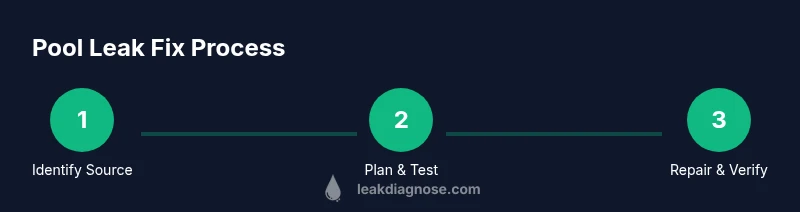
To fix a pool leak, locate the source, choose a repair method, and apply sealing or patching with the correct materials. Start with a careful diagnostic of liner seams, plumbing, and equipment; gather essential tools; and follow a clear, step-by-step plan to minimize water loss and prevent future damage. This approach keeps you in control, reduces chemical waste, and protects nearby decking.
Why Pool Leaks Matter
According to Leak Diagnosis, pool leaks waste water, damage surrounding surfaces, and increase chemical costs. For homeowners, every drop matters—not just for water bills but for structural safety and chlorine balance. In the long run, a small, untreated leak can undermine decking, stain concrete, and invite algae growth. Addressing leaks early preserves pool integrity and reduces maintenance time. This guide focuses on practical, safe fixes you can perform with common tools and materials. We'll outline diagnostic strategies, repair options, and prevention tips to keep your pool healthy.
How to Fix Leak in Pool: Locate the Source — Quick Diagnostics
Locating a pool leak requires a systematic approach. Start by observing water loss relative to weather and usage; a consistently dropping water level suggests a leak rather than evaporation. Conduct a bucket test: place a marked bucket at pool water level, compare the drop in the bucket to the overall pool level over 24–48 hours. Inspect fittings, return lines, and skimmers for damp spots or gurgling sounds. A simple dye test can confirm leaks in cracks, joints, or liner seams. Through these checks you’ll narrow down plausible sources before choosing a repair method.
Repair Strategies by Leak Type
Pool leaks fall into a few common categories: liner leaks, plumbing leaks, and equipment seals. For vinyl liners, patching with a vinyl repair kit is standard, followed by pressure testing to ensure the patch holds. Concrete or gunite pools may require epoxy or hydraulic cement patches for cracks, plus re-sealing around coves and joints. Plumbing leaks around pipes, elbows, and fittings often respond to tightening, O-ring replacements, or gasket upgrades. In every case, use materials rated for pool use and compatible with existing surfaces to maximize durability.
Tools, Materials, and Safety Considerations
Before you begin, assemble essential tools and materials. A fluorescent dye test kit helps locate leaks; a vinyl patch kit or epoxy patch is needed for patching; pool-grade silicone sealant provides flexible sealing around fittings; gloves and goggles protect your hands and eyes from chemicals. If you’re working with concrete, carry a masonry chisel and appropriate patch compounds. Always turn off power to the pump when inspecting near electrical components and follow manufacturer directions for chemical handling.
AUTHORITY SOURCES
For additional guidance, consult reputable sources on pool safety and water quality:
- https://www.cdc.gov/healthywater/swimming/pools.html
- https://www.epa.gov/watersense/pools-spas
- https://edis.ifas.ufl.edu/
Common Mistakes and Troubleshooting Tips
Avoid delaying repairs or applying temporary fixes that fail in water. Don’t ignore a persistent leak: even small losses can indicate a failing joint or liner. Document water levels and repair attempts to track progress. If you’re unsure about the leak’s source, pause and consult a professional to prevent further damage.
Tools & Materials
- Pool leak dye (fluorescent)(Use as part of dye test to locate leaks)
- Vinyl patch kit or epoxy patch(Choose patch type based on pool surface (vinyl vs concrete))
- Pool-safe silicone sealant(For sealing around fittings and minor gaps)
- Gloves and goggles(Personal protective equipment for chemical handling and patching)
- Flashlight (waterproof)(Inspect dark corners and under equipment)
- Measuring tools (tape measure)(Assess crack sizes or patch areas)
- Sump bucket or backup pump(Optional for dye tests or water transfer)
- Pool-safe epoxy or cement patch(Used for structural repairs on concrete pools)
- Sealant remover/brush(Clean surface before patching)
Steps
Estimated time: 2-4 hours
- 1
Power down & Inspect
Turn off the pool pump and filter to prevent water movement while inspecting for obvious signs around fittings, liner seams, and equipment. Look for dripping, wet areas, or damp halos on surrounding decking.
Tip: Never touch electrical components with power on; confirm the circuit is off before touching. - 2
Run a Dye Test
Use fluorescent dye to trace water movement and pinpoint leaks around seams, gaskets, and joints. Observe dye migration from the source with the pool at normal filling level.
Tip: Perform test with the pool at standard operating level to simulate real conditions. - 3
Isolate Leak Type
Determine whether the leak is in the liner, plumbing, or equipment. Narrow down with dye results, visual inspection, and pressure checks on lines.
Tip: Log findings to guide the repair decision and document baseline wear. - 4
Choose Repair Method
Select the repair approach based on leak type: liner patch, plumbing gasket replacement, or epoxy patch for cracks. Ensure compatible materials for your pool type.
Tip: Always use products rated for pool use and your surface material. - 5
Apply Patch or Sealant
Prepare the surface, apply patch or epoxy as directed, and allow the proper curing time. Re-test with dye or pressure to confirm the seal.
Tip: Don’t rush the cure; improper curing leads to premature failure. - 6
Refill & Monitor
Gradually refill the pool and monitor water level over 24–48 hours. Check all repaired areas for signs of continued water loss or seepage.
Tip: Keep a water level log to quantify improvement. - 7
Prevent Future Leaks
Implement preventative measures: routine equipment maintenance, seasonal checks on seals and gaskets, and a pool cover to reduce evaporation.
Tip: Regular maintenance reduces the chance of future leaks.
Questions & Answers
What are the common signs of a pool leak?
Common signs include a steady water level drop not explained by weather, damp areas around the pool deck, cracks in concrete, or unusual wet spots near fittings. Use a dye test to confirm the source.
Common signs are water level drop and damp spots; use a dye test to confirm the source.
How do I locate a pool leak without draining the water?
Start with a dye test and bucket test to distinguish evaporation from leakage. Inspect fittings, returns, and the liner edge for visible signs of seepage.
Use dye tests and inspect fittings and edges to find leaks without draining the pool.
Can I fix a pool leak myself, or should I call a professional?
Many leaks in liners or simple fittings can be repaired by homeowners with proper tools. Complex cracks or buried plumbing may require a licensed technician.
DIY is possible for simple leaks; serious plumbing or structural issues should involve a pro.
How long does a typical pool leak repair take?
Most repairs can be completed in a few hours, depending on leak type and surface material. Larger jobs may require additional curing time for patches.
Most repairs take a few hours, with extra curing time for patches if needed.
What safety precautions should I follow when repairing a pool leak?
Turn off electrical equipment, wear PPE, and ensure proper ventilation if using sealants or epoxies. Follow manufacturer instructions for all products.
Stay safe by turning off power, wearing PPE, and following product instructions.
Are there costs or insurance considerations for pool leaks?
Costs vary by leak type and repair method. Insurance often covers damage from leaks under certain conditions; review policy details or consult your insurer.
Costs depend on the repair; check with your insurer about coverage for pool leaks.
Watch Video
Main Points
- Identify the leak source before patching
- Choose repair method based on leak type (liner, plumbing, or equipment)
- Test the fix after refilling to confirm effectiveness
- Maintain a repair log to track water loss and results
- Consult a professional for complex or uncertain leaks