Do You Need to Evacuate for a Gas Leak? Practical Safety Guide
Learn when to evacuate during a gas leak, how to respond safely, and essential steps to protect your home. Leak Diagnosis guides you through detection, containment, and safety routines for quick, confident action.


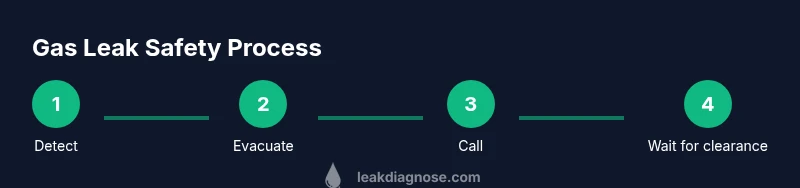
What you do about evacuation for a gas leak depends on the circumstances: if you smell gas, hear a hiss, or see an active flame, evacuate immediately and move to fresh air away from the building. Call emergency services and your gas utility from outside. Do not re-enter until professionals confirm it's safe.
Do you need to evacuate for a gas leak? Key triggers and authority cues
According to Leak Diagnosis, the most urgent evacuations are prompted by the smell of gas, a hissing sound near gas lines, or an actual flame. In any of these cases, leaving the area for fresh air is the first and most important step. Even if you suspect a minor leak, treat it as an emergency if you cannot verify the source from a safe location. The right answer often hinges on your ability to exit safely without creating additional hazards. After you’re outside, call your gas utility and, if needed, emergency services. Evacuation is not optional when these danger signals are present; it’s the primary action to protect life and prevent ignition.
Understanding why evacuation matters during a gas leak
Gas leaks pose multiple risks beyond fire or explosion. Accumulated gas can displace oxygen in enclosed spaces, leading to dizziness or unconsciousness. In larger homes or apartment buildings, gas can travel through walls and ceilings, creating knock-on hazards for neighbors. Ventilation helps, but it does not replace the need to evacuate when conditions worsen. By evacuating promptly and staying out until professionals declare safety, you reduce exposure and give responders a safer scene to work in. Leak Diagnosis emphasizes that decisive action in the first minutes is critical.
Immediate steps if you suspect a gas leak
If you detect a potential gas leak, your first move is to get everyone out of the building and away from any ignition sources. Do not use electrical switches, tools, or open flames. If it’s safe, open exterior doors and windows to increase ventilation on your way out, but only if you can do so without passing through a gas plume. Once outside, clearly communication your location and the suspected leak to the gas utility and emergency responders. Do not re-enter the building until authorities confirm it is safe.
How to decide between staying outside or sheltering in place
In most residential gas-leak scenarios, evacuation to fresh air is recommended. However, if you’re in a high-rise with blocked exits or if leaving presents a greater risk due to traffic or other hazards, contact emergency services for guidance. The decision to shelter in place should be driven by official directions rather than personal judgment. If you are unable to exit, close the interior doors to isolate the affected area, avoid electrical switches, and move to an area with outside air access only when it is safe to do so.
After you evacuate: what to do next
From a safe outdoor location, call the gas utility’s emergency line and 911 if there is any sign of a serious leak or if people are feeling dizzy, nauseous, or lightheaded. Do not re-enter until the utility or fire department tells you it is safe. It’s also wise to communicate with neighbors and building management so others can evacuate as needed. When responders arrive, follow their directions precisely and provide any information about the leak’s location and the size of the affected area.
What a professional inspection involves after a gas incident
A licensed technician will check the entire gas system, including supply lines, meters, regulators, and fuel appliances. They use calibrated detectors and controlled tests to identify leaks, verify ventilation adequacy, and confirm that all appliances are functioning properly. Expect a written report with recommended repairs and a clear re-entry plan. This process ensures there are no lingering leaks before you resume normal activities.
Myths debunked and practical tips for home safety
Common myths insist you can “outrun” a gas release by opening windows alone or re-entering after a brief evacuation. In reality, proper evacuation plus professional verification is the safe path. Keep working detectors, check batteries monthly, and replace them according to the manufacturer’s schedule. Regular maintenance of gas appliances minimizes the chance of leaks, and practicing a home evacuation drill helps you respond calmly when real events occur.
Practical checklist for gas-leak safety
- Evacuate immediately if you smell gas or hear a hiss.
- Move to a safe outdoor area away from the building.
- Do not operate switches or use flames inside the building.
- Call your gas utility and emergency services from outside.
- Wait for professionals to declare it safe before re-entry.
- Schedule a post-incident inspection with a licensed gas technician.
Tools & Materials
- Phone or mobile device(Call 911 and your gas utility from outside; have emergency numbers saved.)
- Portable gas detector (UL-listed)(Use only if you can do so safely from outside and without triggering a spark.)
- Flashlight (fresh batteries)(Stay visible to responders in low light if you’re outside.)
- Escape plan and exit routes(Know at least two exits from each room and a meeting point outside.)
- Emergency contact information kit(Keep utility numbers, local fire station number, and your address handy.)
Steps
Estimated time: 30-60 minutes
- 1
Evacuate immediately if you smell gas
Gas smells, a hiss near gas lines, or an active flame require urgent evacuation. Do not search for the source; leave with everyone and move to fresh air. If anyone experiences dizziness or loss of consciousness, call emergency services from outside and wait for responders.
Tip: Place at least one outdoor meeting point a safe distance from the building to ensure everyone is accounted for. - 2
Move to a safe outdoor location
Exit through the nearest safe route without using elevators. Once outside, avoid enclosed spaces where gas could accumulate. Stand clear of doors, windows, and vehicle exhaust to maximize safety while you wait for instructions.
Tip: If you cannot exit safely due to crowding, stay in a designated outdoor area away from the building and call for help. - 3
Call emergency services and the gas utility from outside
Report the suspected leak, your location, and any symptoms. Do not re-enter the structure until responders clear it. If someone is injured, provide first aid only if it’s safe to do so.
Tip: Have your street address and nearest cross streets ready to speed up the response. - 4
Do not re-enter until professionals declare safe
Professionals will perform leak detection tests and appliance checks to confirm safety. Re-entry should only occur after official clearance. If you hear an alarm or feel health symptoms, move further away and contact responders.
Tip: Do not rely on a neighbor’s confirmation; wait for official clearance. - 5
Follow up with a professional inspection
Arrange a post-incident inspection with a licensed gas technician to identify the leak source, repair, and verify ventilation adequacy. Document findings and keep a record for future reference.
Tip: Schedule the inspection promptly, even if no symptoms are present.
Questions & Answers
Do I always need to evacuate if I smell gas?
Yes. A gas odor is a strong indicator of a leak and warrants immediate evacuation to fresh air. Call emergency services and your gas utility from outside the structure after you've reached safety.
If you smell gas, evacuate immediately and call your gas utility from outside. Do not re-enter until responders say it's safe.
What should I do if I cannot evacuate safely?
If evacuation isn’t possible, close doors to isolate the affected area if you can do so safely, move to a location with fresh air, and contact emergency services for guided instructions.
If you can’t evacuate, stay put in a safe area with outside air access and call for help.
How long should I wait before re-entering?
Re-entry should only occur after the gas utility and fire department declare it safe. Do not rely on personal judgment to determine safety.
Wait for officials to confirm safety before re-entering your home.
Should I install a gas detector at home?
Yes. A properly installed detector adds an early warning layer. Place detectors near sleeping areas and on every level, and test them monthly.
A home gas detector is a smart safety upgrade and should be tested regularly.
What does a professional inspection involve after a leak?
A licensed technician will check lines, meters, regulators, and appliances, then verify ventilation. Expect a report with recommended repairs and a clearance statement.
Professionals inspect all gas components and confirm the area is safe to re-enter.
Watch Video
Main Points
- Act immediately when gas signals appear.
- Exit the building and call emergency services from a safe location.
- Do not re-enter until professionals confirm safety.
- Follow up with a professional leak inspection.
- Maintain detectors and practiced evacuation drills.