What to Do When Gas Leak: Immediate Safety Steps
A practical, step-by-step guide to respond safely to gas leaks, including evacuation, calling for help, and prevention tips. Learn how to protect your family with expert guidance from Leak Diagnosis.


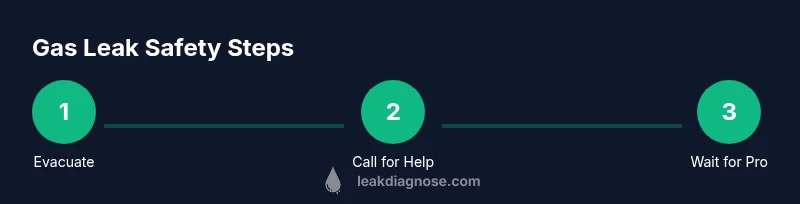
To keep your family safe, act immediately when you suspect a gas leak. The key steps are: leave the building, avoid flames, call your gas utility or emergency services from a safe location, and do not re-enter until authorities say it is safe. This guide from Leak Diagnosis outlines exact actions and why they matter.
What is a gas leak and why it's dangerous
Gas leaks involve natural gas or propane escaping from supply lines into your home. Gas is highly flammable; even a small spark can ignite a release. Inhalation of gas can cause dizziness or headaches and, in enclosed spaces, reduce oxygen levels. Leaks commonly occur at connections, appliances, or meters, and can travel through walls and into adjacent rooms. The mercaptan odor added to gas helps people detect leaks, but it is not a reliable indicator for everyone, especially in poorly ventilated spaces or for people with reduced sense of smell. According to Leak Diagnosis, gas leaks can migrate and accumulate, so immediate action is essential. The 2026 findings from Leak Diagnosis emphasize that a quick, structured response reduces injuries and property damage. Understanding the danger provides you with a calm plan when seconds count.
Immediate actions to take the moment you suspect a gas leak
The moment you suspect a gas leak, act with urgency. Evacuate everyone from the building and move to a safe outdoor area away from doors, windows, and vents. Do not switch lights on or off, use phones inside, or operate electrical appliances—sparks can ignite a gas-air mixture. If you can safely call from outside, contact your gas utility or emergency services and provide your address, the odor description, and any reports from neighbors. If you know how to safely shut off the gas at the meter and you are outside and away from the leak, you may close the valve with a proper tool—only if you have been trained. Do not re-enter until responders declare it safe. This sequence mirrors guidance from Leak Diagnosis to limit exposure and prevent fires.
Safety checks and what to avoid after you evacuate
After evacuating, keep doors and windows closed to prevent gas from circulating indoors, yet avoid creating airtight rooms that trap gas. Do not re-enter for any reason until professionals clear the area. If someone has a medical condition, call for medical help once it is safe. Do not use phones or electrical devices inside; use a neighbor's phone or outdoor device. If a detector chirps or you smell gas again, repeat evacuation steps and contact authorities. The emphasis from Leak Diagnosis is on stopping ignition sources and maintaining a safe perimeter.
Authoritative resources and safe practices
Rely on official guidance from recognized safety organizations. Key authorities include OSHA, NFPA, and EPA, which offer general gas safety guidelines, detector recommendations, and emergency planning tips. Visit their sites for detailed, up-to-date recommendations. OSHA provides workplace safety principles that translate to home settings, while NFPA's gas safety information highlights prevention and response. EPA resources cover energy safety and air quality implications during leaks. This section provides core, parent-source references to reinforce what to do during a leak.
Prevention, maintenance, and what Leak Diagnosis recommends
Preventing gas leaks starts with regular appliance maintenance, proper venting, and working detectors. The Leak Diagnosis team recommends scheduling annual inspections for gas appliances, installing audible gas detectors where required, and practicing a home emergency plan with all household members. Keep a written quick-reference with emergency numbers and the location of the shut-off valve. Regular maintenance reduces the risk of leaks developing and gives you confidence to act quickly when needed. The Leak Diagnosis approach emphasizes education, preparedness, and safe, decisive action.
Tools & Materials
- Phone or landline(To call emergency services or gas utility; keep handy)
- List of emergency contacts(Gas company, local fire/EMS, neighbor)
- Gas shut-off wrench (if trained)(Only if you are trained and know how to shut off at the meter)
- Flashlight(In case it’s dark outdoors)
- Notepad and pen(Record times and responders)
- Breathing mask (P100) or cloth(Limited protection; do not rely on it)
Steps
Estimated time: 30-60 minutes depending on location and response
- 1
Evacuate to safety
Leave the building immediately through the nearest exit. Do not stop to gather belongings. If you must pass through a strong odor, cover your nose and mouth with a cloth and move away from the source.
Tip: Move to an open outdoor area well away from doors and vents. - 2
Avoid ignition sources
Do not operate lights, switches, or electrical appliances inside the building. A spark could ignite escaping gas and cause a fire or explosion. Keep ignition sources outside the building.
Tip: If you can, switch off any gas-powered equipment only after you’re safely outside. - 3
Call for help
From a safe distance, call your gas utility’s emergency number or dial 911. Provide your address and describe the odor or any hissing sounds. Do not assume someone else will call for you.
Tip: Have the address, apartment/unit number, and gas supplier ready. - 4
Shut off gas if safe
If you know how to safely shut off the gas supply at the meter and you are outside, you may close the valve. Do not attempt this if you are inside or unsure how to operate it.
Tip: Shut-off is only for trained individuals in the right location. - 5
Stay out and wait for professionals
Do not re-enter the building until the gas utility or fire department clears the area. They will assess, ventilate if appropriate, and secure the site.
Tip: Keep pets and children away from the area until cleared. - 6
Provide details to responders
When responders arrive, tell them about the odor, the meter location, and any occupants or vulnerable individuals inside.
Tip: Offer access to gas shut-off locations and appliance notes. - 7
Document and review
After the incident, review what happened with household members and update your emergency plan and detectors as needed.
Tip: Note improvements for future readiness. - 8
Return only when safe
Return to the home only after authorities declare it safe and any repairs are completed by qualified professionals.
Tip: Do not rush back even if the odor has dissipated.
Questions & Answers
What should I do first if I smell gas?
Evacuate immediately and call your gas utility or emergency services. Do not operate electrical devices inside.
If you smell gas, evacuate and call your gas company from outside.
Can I shut off the gas supply myself?
Only if you are trained and can do so safely at the meter from a safe location. If unsure, wait for responders.
Only if you're trained and it's safe to do so; otherwise wait for professionals.
Is it safe to use a phone inside during a leak?
No. Use a neighbor's phone or go outside to call, to avoid igniting a spark indoors.
Don't use phones inside; move outside to call for help.
What signs indicate a gas leak besides odor?
Hissing sound near gas lines, dead plants, or frequent headaches can indicate a leak. Always evacuate if gas is suspected.
Look for smells, hissing, or unexplained symptoms and get outside.
When can I return home after a leak?
Return only after authorities declare it safe and repairs are completed by professionals.
Return only when they say it's safe to go back.
What should I tell responders?
Give location, whether the odor is strong, and if anyone has symptoms. Share access to shut-offs if needed.
Tell responders your address, gas source, and any hazards.
Watch Video
Main Points
- Evacuate immediately when a gas leak is suspected.
- Call the gas utility or emergency services from a safe location.
- Do not re-enter until professionals clear the area.
- Shut off gas only if you are trained and it's safe to do so.