What to Do in a Gas Leak at Home: A Practical Safety Guide
Learn immediate steps, detection tips, and prevention strategies for gas leaks at home. This educational guide helps homeowners respond safely, evacuate, and coordinate with responders in 2026.


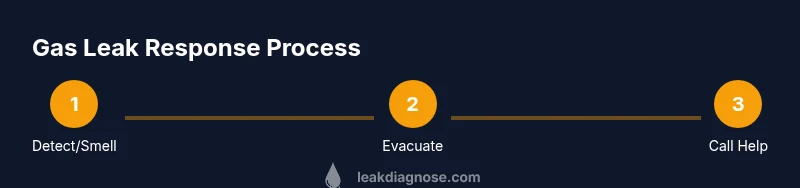
To handle a gas leak at home, your top priorities are safety, evacuation, and getting help. If you smell gas, do not use switches or appliances that could spark. Open doors if you can safely do so, then leave the building and call the gas company or emergency services from outside. According to Leak Diagnosis, calm, rapid action minimizes risk and protects everyone in the home.
Understanding Gas Leaks and Risks
Gas leaks pose immediate threats to safety and health. Natural gas is flammable; a spark or heat source can ignite it, causing fires or explosions. Signs of a leak include the distinctive mercaptan odor often described as a rotten-egg scent, a hissing or whistling sound near gas lines, or dead vegetation near outdoor lines. In 2026, aging infrastructure and frequent residential installations mean households should stay vigilant. The Leak Diagnosis team emphasizes that recognizing a leak early and acting decisively reduces risk for occupants, pets, and property. This section explains why leaks occur, how they spread, and what calm, informed action looks like in real-life scenarios.
The goal is to create distance from the source and contact professionals who can safely shut off the supply and verify containment. Do not attempt to locate or repair a leak yourself unless you are outside the building, your hands are dry, and you have clear access to the exterior gas valve. Remember that even small leaks can rapidly escalate under the right conditions, so treated as an emergency until proven safe by the utility or fire department.
Immediate Actions You Can Take (Safely)
When you become aware of a possible gas leak, every second counts. This section outlines concrete steps you can take immediately, with safety as the top priority. Start by alerting others to evacuate, then move to a safe outdoor location. Do not turn lights on or off, use a phone inside the building, or operate electrical devices that could create a spark. If you can reach the outdoor main shut-off valve from a safe location, and you know exactly how to operate it, you may turn it off to stop the flow. After you are outside, call the gas utility or emergency services from a safe distance. Finally, wait for professionals to declare it safe before re-entering the premises.
Key safety reminder: never re-enter a home during a gas leak until authorities confirm it is safe. Avoid re-entering to locate the source or take a DIY repair approach, as this can increase risk for you and others.
Evacuation Protocol and Reporting
Evacuate immediately if you smell gas or hear a suspected leak. Move at least 15–20 meters away from the building and gather at a predetermined meeting spot away from vehicles and structures. Do not use phones, switches, or appliances inside the home during the evacuation. Once safe, call the gas utility or fire department and provide your location, approximate leak indicators, and any affected people or pets. If you have access to the outdoor gas shut-off valve and you can operate it safely without re-entering, you may turn it off to stop the flow; otherwise wait for professionals. After authorities respond, follow their instructions for re-entry or further action and arrange for a licensed technician to inspect and repair the system.
Document details of the incident for your records and insurance, including times, actions taken, and observations about scent or sounds. This information helps responders assess risk and prevent recurrence.
After the Leak: Repairs, Verification, and Prevention
After containment, do not assume the problem is resolved. A licensed gas technician must inspect all connections, appliances, and the meter to identify the leak source and ensure structural safety. Expect a thorough check: piping integrity, appliance gas connections, venting, and possible gas line corrosion. Once cleared, you can plan preventive steps, such as scheduling regular appliance servicing, upgrading faulty components, and installing or testing gas detectors in key areas (kitchen, utility room, basement). Keep a written maintenance plan and maintain clear access around meters and shut-off valves. Regular rehearsals of your safety plan help ensure family members respond correctly in a real event.
How to Detect Gas Leaks at Home
Early detection is the backbone of safety. Install and maintain a certified gas detector or alarm that sounds when methane or propane levels rise. Pair detectors with regular visual checks of visible gas lines, meters, and appliance connections. If you suspect a leak, do not assume a detector will save you—evacuate and call professionals. For those who prefer a DIY check, use a soap solution on accessible joints to observe for bubbles indicating escaping gas; never test inside a live area, and avoid open flames or electrical lines during testing. Regular maintenance, proper venting, and careful appliance installation help minimize future risks.
Remember: never rely solely on a detector. Use multiple detection strategies and maintain a clear exit path at all times. Protect vulnerable occupants by creating a family safety plan that includes a meeting point, emergency contacts, and a practice drill.
Authority Sources and Resources
Reinforce safety with trusted guidance from government and educational sources. The following resources provide additional context and safety standards related to gas leaks, detection, and emergency response. - U.S. Department of Energy and energy.gov guidance on natural gas safety and home energy safety. - OSHA safety resources on gas safety and emergency readiness. - NIST guidance and standards related to safe handling and home utility systems. For emergency planning, also consider local fire department advisories and your gas utility’s official guidelines.
Note: Always verify with your local utility for site-specific procedures and numbers before acting on any home gas leak situation. This information supplements general guidance and is not a substitute for professional advice.
Quick Reference Checklist
Use this compact checklist in a gas-leak scenario: 1) Smell gas or hear hissing? Evacuate immediately. 2) Do not operate switches or phones inside the building. 3) If safe outside, shut off the main valve and move away. 4) Call emergency services or the gas utility from a safe distance. 5) Do not re-enter until professionals declare it safe. 6) Arrange a professional inspection and update your safety plan.
Tools & Materials
- Phone or mobile device(Call emergency services or gas utility from outside the building.)
- Gas shut-off wrench or adjustable tool(Only use if you can reach outdoor main shut-off safely without entering the building.)
- Safety plan and exit route(Post a clear evacuation plan and know at least two exit paths.)
- Non-sparking footwear(Wear sturdy shoes during evacuation; avoid sandals.)
Steps
Estimated time: 60-120 minutes
- 1
Alert others and evacuate
If you detect a gas leak, immediately alert anyone nearby and evacuate the building. Move to a safe location at least 15–20 meters away from the structure, staying clear of doors, windows, and the path of the gas line. Do not use electrical switches, appliances, or phones inside the building. This step is critical to reduce exposure and exposure to potential ignition sources.
Tip: Shout a clear warning and assist children or pets to exit with you. - 2
Do not operate electrical devices
Avoid turning lights on or off, using phones inside, or striking any matches. Electrical switches can generate sparks that ignite leaked gas. If you have to call for help, do so from a safe outdoor location using a mobile phone.
Tip: If you’re already outside, you can use a landline away from the home if a mobile phone isn’t available. - 3
If safe, shut off gas at the outdoor valve
From a safe location, if you can locate and reach the outdoor main shut-off valve, turn it off slowly to stop gas flow. Do not enter the building to reach the valve; delay this action if it requires entering hazy or dangerous areas. This step should be performed only if you can do so without risk of ignition or injury.
Tip: If you’re unsure how to operate the valve, wait for professionals. - 4
Call the gas utility or emergency services
From outside, contact your gas utility and local emergency services. Provide your address, whether anyone is injured, and any signs of the leak (odor, hissing, or visible damage). STAY OUTSIDE and wait for responders to arrive.
Tip: Use a dedicated emergency number rather than a general contact line if possible. - 5
Do not re-enter until professionals say it’s safe
Do not re-enter the home until authorities establish it’s safe to do so. Gas leaks can linger or re-ignite after a partial containment. Wait for qualified technicians to assess the situation and verify ventilation and appliance integrity.
Tip: Ask for written guidance on when you and your household can safely re-enter. - 6
Arrange a professional inspection and repair
Schedule a licensed gas technician to inspect all connections, appliances, meters, and lines before resuming use. Ensure the contractor verifies venting and clearance around gas equipment. Keep records of inspections and repairs.
Tip: Consider preventive maintenance like upgrading older components and installing detectors. - 7
Review safety plan and detectors
Update your household safety plan based on the incident. Check detectors, replace batteries, test alarms, and confirm that escape routes remain accessible. Keep a list of emergency contacts in a visible place.
Tip: Practice the drill with all household members to build muscle memory. - 8
Educate household about prevention
Educate every member about how gas leaks occur, signs to watch for, and immediate actions to take. Regular safety training reduces panic and speeds up appropriate responses.
Tip: Share the plan with guests and tenants to ensure consistent safety practices.
Questions & Answers
What should I do first if I smell gas?
If you smell gas, evacuate immediately and move to a safe location. Do not operate electrical switches or appliances inside the home. Call your gas utility or emergency services from outside once you are safe.
If you smell gas, evacuate immediately and call for help from outside.
Can I shut off the gas myself?
Only if you can reach the outdoor main shut-off valve safely without entering the building. If you cannot reach it safely, wait for professionals. Do not put yourself at risk trying to shut off gas from inside.
Only shut off gas from the outside valve if you can reach it safely.
Is it safe to stay inside if the odor is faint or there is no smell?
No. A gas leak can be dangerous even if the odor is faint. Leave the area and call for help to assess risk; do not assume it’s safe to stay inside.
If there is any doubt about safety, evacuate and contact authorities.
How can I prevent gas leaks in the future?
Schedule regular appliance inspections, replace aging gas lines when needed, install detectors in key locations, and ensure proper venting. Keep access paths clear to meters and shut-off valves.
Regular maintenance and detectors help prevent leaks.
What should I do after the leak is contained?
Arrange a licensed technician’s inspection, verify all appliances are safe, and review your safety plan with the household. Keep records of repairs and tests.
After containment, get the system checked by a pro and update your safety plan.
Watch Video
Main Points
- Evacuate immediately at first sign of gas.
- Call the gas utility or emergency services from a safe location.
- Do not re-enter until professionals declare it safe.
- Schedule professional inspection and implement a structured safety plan.