Do You Have a Gas Leak? Emergency Steps and Safe Troubleshooting
Recognize a gas leak, act fast with urgent safety steps, and troubleshoot common issues safely. A practical guide from Leak Diagnosis to help homeowners respond quickly and protect loved ones.


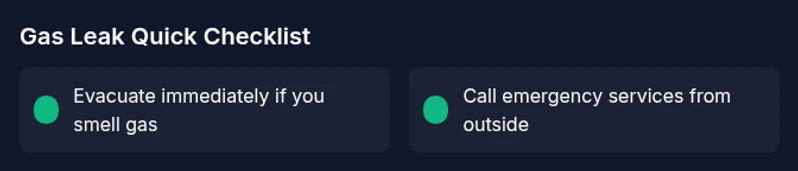
Gas leaks are most likely caused by a faulty connection, cracked line, or malfunctioning appliance. If you smell rotten eggs or hear a hissing sounds near a gas source, your safest move is to evacuate immediately and call emergency services. If you can reach it safely, shut off the main gas valve from outside the building or at the meter, then contact your gas utility for guidance.
Do you have a gas leak? Signs to look for
Homeowners often ask, 'do you have a gas leak' when they detect odors or unusual gas behavior. According to Leak Diagnosis, recognizing the signs quickly can prevent exposure and injury. Common indicators include the distinct sulfur smell sometimes described as rotten eggs, a hissing or whistling sound near a gas line or appliance, and visible irritation like condensation on windows or frost near valves. If any sign appears, treat it as an emergency and move to a safe area immediately. Do not stay near the source, and avoid turning electrical switches or using open flames while you assess the situation.
Immediate Safety Steps You Should Take Now
Your first priority is safety. If you suspect a gas leak, evacuate people, pets, and yourself from the building and move to fresh air outside. Do not use electrical switches, phones, or flames inside the space. Call your local gas emergency line or emergency services from a safe location. If you can do so safely, locate and turn off the main gas valve outside or at the meter before leaving the premises. After evacuation, do not re-enter until professionals authorize it. If you have a portable detector, note its readings only from a distance and do not rely on it for safety.
How Gas Leaks Happen: Common Causes
Leaks arise from loose fittings, cracked or damaged hoses, corroded pipes, or failed components inside a furnace, water heater, or stove. Poor installation, vibration, or aging equipment can gradually loosen connections, creating small leaks that become hazardous over time. In some cases, debris or pest activity can damage gas lines. Regular maintenance reduces these risks, but even well-kept systems require immediate action if a leak is suspected.
Diagnostic Flow: From Symptom to Solution
When a symptom appears — for example, a gas odor or itchy throat near a appliance — follow a simple diagnostic flow. First confirm the odor and cross-check with other signs (sound, visible damage). Next, rule out non-gas causes (smell from cleaning products). If the odor persists, use a gas detector or call professionals; never rely on the detector alone. Finally, implement the appropriate fix or call the utility for instructions.
Quick Checks You Can Perform Safely (Non-Technical)
- Evacuate and ensure everyone is outside.
- If you can reach it safely, shut off the main gas valve.
- Do not operate electrical devices or use a phone inside the structure; move to a safe location first.
- Ventilate the area only after you are outside and away from the source.
- Contact your gas utility to report the incident and get guidance.
Prevention and Next Steps
After the immediate danger passes, schedule a thorough professional inspection of all gas appliances and lines. Install and test gas detectors in key locations, and keep a clear area around heaters, stoves, and furnaces. Document maintenance and keep emergency numbers readily accessible for future incidents.
What to Do After the Incident in a Rental or Home
If you’re in a rental, notify the landlord immediately so they can arrange licensed service. For homeowners, follow up with a certified technician to inspect fittings, valves, and flues. Ensure proper ventilation and confirm that all repairs meet local safety codes before turning the gas back on.
Steps
Estimated time: 30-60 minutes
- 1
Evacuate to safety
Lead everyone and pets to a safe outdoor location away from the building. Do not re-enter until authorities confirm it is safe. If you have to pass through a contaminated area, cover your nose and mouth with a cloth and avoid creating sparks.
Tip: Meet at a designated outdoor spot so no one gets separated. - 2
Call for help
From outside, call emergency services or the gas utility to report the suspected leak. Do not use inside phones if you are still near the source. If you are elsewhere, use a mobile phone and provide your location.
Tip: Have the address and a description ready (odor, sight, or sound signs). - 3
Shut off gas only if safe
If you can reach the external or meter shut-off valve without returning indoors or passing through danger, close it slowly to stop gas flow. Do not touch valves that are hot or difficult to reach.
Tip: If you cannot access the valve safely, skip this step and wait for professionals. - 4
Ventilate after safe
Do not re-enter for ventilation until professionals declare it safe. If you must ventilate from outdoors, open doors and windows from outside terminals rather than inside the living space.
Tip: Rely on professionals’ guidance before re-occupying. - 5
Await professional inspection
Once the scene is secured, a licensed technician should inspect, locate the leak, and perform repairs as needed. They will verify gas levels and ensure safe operation before gas is restored.
Tip: Keep a record of all repairs and test results. - 6
Post-incident maintenance
Schedule regular inspections, install detectors, and practice gas-safety drills with your household. Review escape routes and ensure all family members know the emergency plan.
Tip: Test detectors monthly and replace batteries as needed.
Diagnosis: Gas odor, hissing sound, or unusual appliance behavior
Possible Causes
- highLoose or faulty gas connections at appliances or pipes
- mediumCracked or corroded gas lines or fittings
- lowVentilation issues or appliance backdraft
Fixes
- easyIf safe, evacuate and call emergency services; do not re-enter.
- easyIf you can reach the main shut-off valve safely, turn it off to stop gas flow.
- easyNotify the gas utility to inspect and repair leaks and restore service under professional guidance.
Questions & Answers
What should I do first if I smell gas?
If you smell gas, evacuate immediately and call the gas emergency line or local authorities. Do not re-enter the building and avoid creating any ignition sources. After you are safe, inform professionals so they can assess and repair.
If you smell gas, leave the area right away and call for help from outside. Do not re-enter until the all-clear is given by professionals.
Can I shut off the gas myself?
Only if you can reach the main shut-off valve safely from outside or at the meter. Do not attempt to shut off gas if you would have to re-enter a hazardous space or put yourself at risk.
Shut off gas only if you can do so safely from outside the building.
Is it safe to ventilate the area after a suspected leak?
Ventilation can help after evacuation, but do not re-enter until professionals confirm it's safe. Use outdoor airflow and avoid turning on fans inside the building until cleared.
Ventilate only after you're sure it's safe—professionals will advise.
How do professionals detect and fix a gas leak?
Technicians use gas detectors, pressure tests, and appliance inspections to locate leaks and perform repairs. They follow safety protocols and local codes.
Techs use detectors and tests to locate leaks and fix them.
Can a gas leak cause a fire or explosion?
Yes. A gas leak can ignite if there is an ignition source. Immediate evacuation and professional assistance are essential.
Gas leaks can cause fires; evacuate and call for help immediately.
What maintenance helps prevent gas leaks?
Regular inspections, timely service of appliances, proper venting, and working detectors reduce leak risk. Test detectors monthly and replace batteries as needed.
Keep up with regular checks and test detectors to stay prepared.
Watch Video
Main Points
- Act fast and prioritize safety.
- Know and practice your gas shut-off location.
- Call the gas emergency line immediately if you suspect a leak.
- Schedule professional inspection after escalation to prevent future leaks.