How to Check for a Gas Leak Safely: A Homeowner's Guide
Learn how to check for gas leak safely with practical steps, verify with detectors and soap tests, and prevent future leaks—backed by professional guidance from Leak Diagnosis.


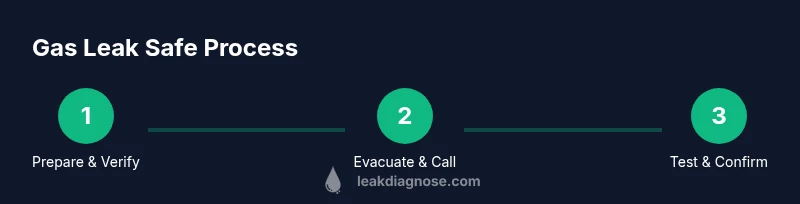
To check for a gas leak, start by leaving the area if you smell rotten eggs, hear hissing, or see damaged gas lines. Do not operate electrical switches or flames. Call your gas utility or emergency services from a safe distance. If safe, use a portable gas detector or soapy-water test to confirm the leak from outside the building.
What is a gas leak and why it's dangerous
A gas leak is a release of natural gas or propane from a pipeline, appliance, or connection. When you check for gas leak, you must act quickly to reduce the risk of fire or explosion. According to Leak Diagnosis, gas leaks pose immediate risks including fire, explosion, and asphyxiation. Early detection can limit damage, protect occupants, and minimize environmental exposure. Gas in enclosed spaces can disperse rapidly, and even a small spark can ignite escaping gas. You should know how to check for gas leak and what steps to take to protect household members. This guide provides a practical, non-technical approach to check for gas leak using safe testing methods and professional help when needed.
In residential settings, leaks can originate from shut-off valves, connectors, appliances, or exterior lines. The most important rule is to act calmly and decisively. If you can safely do so, document the source of odor or suspect location before professional help arrives. Remember, leaks aren’t always obvious; many tests rely on a combination of odor, sound, and physical signs rather than a single symptom. By learning how to check for gas leak safely, homeowners can reduce risk and improve response times when every second matters.
The following sections walk you through signs, safety steps, verification methods, and prevention strategies to help you protect your home and family. While this guidance emphasizes safety-first actions, it also explains when it’s appropriate to involve professionals and how to communicate clearly with your utility provider. The information here supports responsible, measured action rather than reckless experimentation. The Leak Diagnosis team emphasizes prioritizing safety, using proper tools, and avoiding shortcuts.
Signs of a gas leak in your home
Gas leaks may present in several ways, and recognizing them early is essential. Common indicators include a strong rotten-egg odor near gas lines or appliances, a loud hissing or whistling sound at joints or meters, and visible signs of damage such as warped fittings, scorch marks, or a white powdery residue around connections. Some leaks are invisible or odorless, so relying solely on smell isn’t enough. If occupants experience dizziness, headache, nausea, or fatigue when indoors, particularly in a space where a gas appliance is active, treat it as suspicious. Gas is lighter than air and often rises, so signs may appear on upper floors, near vents, or around exterior meters. When you check for gas leak, combine sensory cues with visible damage and detector readings for a clearer assessment. For homeowners, these signs should trigger immediate safety actions and professional evaluation.
Leak Diagnosis notes that consistent, multi-signal confirmation (odor, sound, visual signs, and detector readings) greatly increases the likelihood of a true leak. Always err on the side of caution and keep a safe distance from suspected areas. If you can identify a likely leak source from outdoors, focus your inspection on exterior connections, meters, and exposed piping rather than trying to troubleshoot hard-to-access interior routes. By understanding these signs, you’ll be better prepared to respond quickly and safely.
Immediate safety steps if you suspect a leak
If you smell gas, hear a hiss, or see damaged lines, evacuate everyone from the building and move to a safe outdoor location away from doors, windows, and vehicles. Do not operate electrical switches, lights, or appliances inside the structure, and avoid using your phone near the suspected area. From a safe distance, call your gas utility or emergency services to report the leak and request immediate assessment. If you know where the gas shut-off valve is and can reach it safely from outside, turn it off slowly to stop the flow of gas, then leave the area and wait for professionals. Keep children and pets away, and do not re-enter the building until a qualified technician declares it safe.
In some cases, it may be safer to shut off the main gas supply only if you are confident you can do so from outside without entering the building or approaching the leak site. If you must re-enter for any reason, ensure the area is well ventilated and that you turn off potential ignition sources. The priority is to minimize exposure and prevent ignition while securing professional help. The Leak Diagnosis team emphasizes that acting quickly and following proper shutdown procedures can dramatically reduce risk in emergencies.
How to verify a suspected gas leak safely
Verification should be conducted from outside the structure whenever possible to minimize interior exposure. Use a portable gas detector or a soap-bubble test on exposed gas lines and connections visible from outdoors to confirm a leak without risking interior occupants. For joints and fittings near exterior meters or grills and appliances, apply a soap-water solution with a spray bottle and watch for bubbles, which indicate escaping gas. Do not rely on a single sign; combine odor, sound, and visual cues with detector readings to form a clear picture. If bubbles appear or the detector beeps, notify the utility and maintain a safe distance while awaiting technicians. From outside, you can document the location and any visible damage to help responders triage the situation. The mantra from Leak Diagnosis is to confirm with multiple indicators before taking action beyond emergency response.
Using detectors and testing methods
Portable gas detectors provide continuous monitoring for methane or other hydrocarbons and are most effective when used by trained individuals or technicians. Ensure detectors are properly installed, calibrated, and tested before use, and replace batteries according to the manufacturer’s guidance. Regular checks improve reliability, and calibration against known gas concentrations enhances accuracy. When using detectors, position the device away from direct wind gusts to avoid false negatives or positives. Always verify detector findings with visible inspections of exposed lines and joints. Note that detectors are supportive tools; they should complement, not replace, professional assessment when a leak is suspected. Leak Diagnosis analysis shows that detectors are most effective when paired with careful visual inspection and strict adherence to safety protocols.
After a leak: what to do and prevent future issues
After professionals address a leak, obtain and review the repair report and any recommended tests or upgrades to ensure the issue is fully resolved. Have the system pressure tested and replaced damaged piping or fittings as advised by the technician. Consider scheduling a home gas-safety assessment to identify risk points such as vents, outdoor meters, and appliance connections. To prevent future leaks, install functional carbon monoxide and natural gas detectors throughout the home, maintain proper ventilation, and educate household members on recognizing signs of a leak. Regular practice, such as monthly detector checks and annual professional inspections, will reduce the likelihood of future incidents. The Leak Diagnosis team recommends proactive maintenance and clear emergency planning to improve long-term safety.
Authority sources
- OSHA: https://www.osha.gov
- EPA: https://www.epa.gov
- PHMSA: https://www.phmsa.dot.gov
Tools & Materials
- Portable gas detector(Choose detector capable of methane/propane; battery-powered and rated for home use)
- Soapy-water solution(Dish soap mixed with water; keep in spray bottle for bubble test)
- Spray bottle(For applying soap solution to joints and connections)
- Safety gloves(Non-latex, chemical-resistant for exterior checks)
- Safety goggles(Eye protection when inspecting exterior piping)
- Flashlight(Inspect dark corners and exterior lines safely)
- Phone(For emergency contact and reporting)
Steps
Estimated time: 60-90 minutes
- 1
Prepare and collect safety basics
Ensure you have all essential tools within reach and identify a safe outdoor assembly point outside the structure. Review evacuation routes and have a phone ready to call your gas utility or emergency services. This step minimizes delays if an actual leak occurs.
Tip: Verify you can access the exterior shut-off valve only if it’s safe to do so from outside. - 2
Evacuate & contact help
Leave the building with all occupants and move to a safe distance upwind if possible. Call your gas utility or emergency services to report the suspected leak and request immediate assessment. Do not re-enter until professionals declare it safe.
Tip: If you’re unsure about your location relative to the leak, err on the side of safety and stay outdoors. - 3
Shut off gas only if safe
If the shut-off valve is reachable without entering the affected area, turn it off slowly from outside to stop gas flow. Then continue to stay outside and await responders. Do not attempt to shut off the gas from inside or near the leak site if it requires re-entry.
Tip: Shut-offs are a last resort; your primary action should be to alert authorities and evacuate. - 4
Inspect exterior lines from outside
With a flashlight, inspect visible exterior pipes, fittings, and the gas meter for signs of damage, corrosion, or loose connections. Do not touch any components and maintain a safe distance.
Tip: Maintain at least several meters of clearance from the suspected area. - 5
Apply soap test on exposed joints
From outside, apply a soapy-water solution to exposed joints and look for bubbles indicating a leak. Watch for bubble formation over several seconds and document the location for responders.
Tip: If you notice bubbles or persistent detector alerts, report findings to the utility and do not attempt repair yourself. - 6
Use a gas detector to confirm
If you have a portable gas detector, take readings outdoors away from entry points and wind. Compare readings with the device’s manual and note any sustained concentrations before seeking professional help.
Tip: Don’t rely on a single reading; corroborate with visual signs and, if possible, a soap-test result. - 7
Re-entry and follow-up
Do not re-enter the home until professionals declare it safe. After the incident, arrange for a professional inspection and take preventive measures to reduce future leak risk, such as regular detector maintenance and appliance checks.
Tip: Keep emergency numbers programmed in your phone for quick access.
Questions & Answers
What are the most common signs of a gas leak?
Common indicators include the smell of rotten eggs, a hissing sound near gas lines, and visual damage to piping or meters. If you notice any combination of signs, treat it as a potential leak and seek professional help.
Watch for the smell of rotten eggs, hissing sounds near gas lines, and visible damage to pipes; if you notice these, leave the area and call for help.
Is it safe to test for a gas leak indoors with soap?
Soap tests are safer when performed on exterior lines and joints that are accessible without entering the home. Do not perform soap tests on interior gas lines or appliances; wait for professionals to handle interior checks.
Soap tests should be done outside or on exposed exterior lines to avoid indoor exposure.
Who should I call first if I smell gas?
If you smell gas, exit the area immediately and call your gas utility or emergency services from outside. Do not use electrical switches or flames inside the building.
Leave the area and call the gas utility or emergency services from a safe distance.
Can I relight appliances after a suspected leak?
Relighting should only occur after a professional has confirmed the area is safe. Do not relight pilots or appliances until given explicit clearance by a technician.
Wait for clearance before trying to relight any gas appliance.
What equipment can help detect gas leaks at home?
Portable gas detectors and soap testing are common tools. Detectors help monitor for methane and propane, while bubbles confirm leaks at specific joints.
Use a detector and check exterior joints with soap to confirm a leak.
What safety steps should I take after a leak is addressed?
Have a technician inspect and test the system, replace damaged parts, and install or verify detectors. Maintain emergency contacts and schedule periodic safety checks.
Get the system inspected and keep emergency contacts handy.
Watch Video
Main Points
- Act quickly and calmly when you suspect a gas leak
- Verify with multiple indicators (odor, sound, visual signs, detector)
- Evacuate, call for help, and avoid ignition sources
- Test exterior lines from outside using soap or detectors
- Document findings for responders and schedule professional follow-up