How to Spot Gas Leak: A Homeowner's Guide
Learn practical, step-by-step methods to spot a gas leak safely at home, recognize signs, and know when to call professionals for fast protection.


Learn how to spot a gas leak safely in your home and act quickly to protect your family. This guide covers signs to look for, immediate safety steps, and practical checks you can perform with common tools. You’ll know when to call the gas utility and what to expect from their response, plus a homeowner safety checklist.
What is a gas leak and why it matters
Gas leaks involve escaping natural gas or propane, which is odorized with mercaptan for detection, but the odor can be faint or masked in some environments. The immediate danger comes from the risk of fire or explosion, as well as health effects from inhalation of gas and combustion byproducts. For homeowners, early spotting of a leak reduces exposure and speeds a safe response. This section explains the basics in plain terms and sets the stage for practical tips you can use today. Remember: do not assume a gas leak isn’t dangerous—treat any strong odor or suspicious signs as an emergency. The Leak Diagnosis team emphasizes prioritizing safety and acting decisively when you suspect a leak.
How gas leaks occur in homes
Gas leaks usually originate at connections, joints, or worn pipes rather than from the meter itself. Common sources include aging appliance connections, poorly sealed fittings, corroded pipes, and improper installation. Temperature and pressure changes can stress gas lines, leading to small cracks that worsen over time. Regular maintenance reduces risk, especially after renovations or new appliance installs. Understanding typical failure points helps you focus your checks where they matter most, without overreacting to normal household sounds or smells.
Common signs you may have a gas leak
Watch for persistent odors similar to rotten eggs, a visibly hissing sound near gas lines or appliances, or a white fog near outdoor gas meters during cold weather. Unexplained dead vegetation around a gas line or sudden headaches, dizziness, or nausea may indicate gas exposure. A yellow or orange flame on a gas-burning appliance can signal incomplete combustion and a separate hazard. If you notice any of these signs, treat it as urgent and follow safety steps immediately. Leak Diagnosis emphasizes that odor alone is not always reliable, so corroborate with other indicators.
Immediate safety steps if you suspect a gas leak
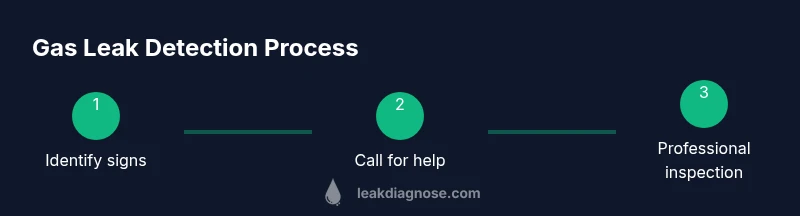
- If you smell gas or hear a hissing sound, leave the area immediately and move to fresh air. Do not operate electrical switches, smoke, light matches, or reuse a flashlight with a crackling switch—anything that could ignite vapors. 2) Call your local gas utility from outside the building or from a neighbors’ phone, and if the situation is urgent, dial emergency services. 3) Do not re-enter until professionals declare it safe. 4) If you can do so from a safe distance, shut off the main gas supply valve only if you know its location and can do so safely. 5) Once outside, keep others away from the area and provide responders with any observed signs. These steps minimize risk and enable responders to locate and stop the leak more quickly.
How to spot a gas leak quickly using your senses
Rely on multiple cues, not a single sign. A strong, persistent odor is a key indicator, but it’s not universal. Listen for a hissing or splashing sound near gas lines or appliances. Look for signs of gas around valves, connectors, and pipes, especially in basements or utility rooms. Use a portable gas detector or soapy water test on accessible joints to visually confirm a leak: bubbles indicate escaping gas. Remember that some leaks may be hidden behind walls or under cabinets, so professional detection is often required for a definitive assessment.
Tools and equipment to help detect a gas leak
For homeowners, essential tools include a portable gas detector for methane or LPG, a strong soap solution (dish soap and water) for bubble testing, and a bright flashlight for inspecting dark corners. Have a phone ready to contact your gas utility and emergency services. PPE such as gloves and eye protection improves safety when inspecting exposed lines. Keep spare batteries and a marker to annotate areas that require professional follow-up. Avoid using metal tools that could create sparks near a suspected leak.
How professionals spot a gas leak
Gas utility technicians use a combination of portable detectors, combustible gas meters, and sometimes infrared cameras to locate leaks. They perform controlled tests, pressure tests on lines, and detailed inspections of appliances, valves, and fittings. For stubborn leaks, they may perform leak detection with specialized sniffers and may request access to shut-off valves or basements and crawl spaces. This professional approach ensures accuracy, minimizes risk, and provides documentation for remediation and insurance purposes. The key takeaway is that professional involvement is essential for confirmed leakage, especially in complex systems.
Step-by-step home inspection checklist
- Identify all gas appliances and their shut-off valves. - Inspect connections and hoses for wear, cracks, or loosening. - Check outdoor gas meters and lines for corrosion or damage. - Test accessible joints with soapy water for bubbles. - Ensure detectors are installed per manufacturer guidelines and test them monthly. - Keep a clear evacuation route and know emergency numbers. - Record dates and findings for future reference. - Schedule a professional inspection after any suspected leak and after major renovations. - Maintain appliances and replace aging hardware to reduce leak risk.
Maintenance, prevention, and best practices
Regular maintenance is your best defense against gas leaks. Schedule professional inspections every 1–2 years, particularly after moving into a new home or performing major gas-related work. Place detectors near sleeping areas and in kitchens or utility rooms, testing them monthly and replacing batteries as needed. Never ignore odors, sounds, or symptoms that suggest exposure; early action saves lives. Consider a written safety plan for your household so every member knows what to do during a leak incident. Leak Diagnosis recommends keeping a simple, visible checklist and reviewing it with all household members annually.
Tools & Materials
- Gas detector (portable)(Model with methane (CH4) and LEL readings, calibrated)
- Dish soap and water(For soap bubble test on pipes and joints)
- Flashlight(Bright LED with spare batteries)
- Phone(To call emergency services and gas utility)
- Non-sparking gloves and eye protection(Basic PPE for handling exposed lines)
- Marker tape or chalk(Mark suspected leak area for later inspection)
Steps
Estimated time: 20-40 minutes
- 1
Identify and locate the gas shut-off valve
Before interacting with any gas line, locate the main shut-off valve near the gas meter or entrance to the building. If you can reach it safely, turn it clockwise until it stops to cut off the gas supply. Only perform this step if you are confident in your ability to do so without creating a spark or pressure surge.
Tip: If unsure, do not touch valves—move to a safe area and call for help. - 2
Move to fresh air and avoid ignition sources
Evacuate the area immediately if you detect gas odor, hissing, or suspect a leak. Do not operate electrical switches, use matches or lighters, or create any sparks. Stay outside in the open air and keep others away from the area until professionals arrive.
Tip: Do not re-enter until responders declare it safe. - 3
Call for help from a safe location
From outside the building or a neighbor’s phone, call your gas utility and local emergency services if the situation is urgent. Provide your location and any observed signs. Do not rely on a neighbor’s report—direct contact speeds response.
Tip: Have your address and a short description ready for responders. - 4
Perform a soap-test on accessible joints
Mix dish soap with water and apply to exposed gas joints and connections. Look for persistent bubbles which indicate a leak. Do not attempt to disassemble fittings; leave disassembly to professionals.
Tip: Only test joints that you can access safely without tools that could spark. - 5
Check appliance connections and devices
Inspect hoses, regulator fittings, and flexible connectors for signs of wear or loosening. Tighten only if you know the correct torque and shut off gas supply first if necessary. Look for soot or scorched marks around connections.
Tip: If you see damage, mark the location and avoid touching it again. - 6
Use a portable detector to scan rooms
Power up a portable gas detector and take a systematic pass through living areas, kitchens, and basements. Hold the detector close to floors and around appliances where gas tends to accumulate. If readings rise, note the area and step back to safety.
Tip: Keep detector within its calibration period and replace batteries when needed. - 7
Document observations for responders
Record any odors, sounds, or visual cues along with the exact location, time, and what you were doing. This information helps responders identify the leak's source faster and communicate a precise plan.
Tip: Take photos only if it’s safe to do so without delaying escape. - 8
Cooperate with professionals on arrival
Follow the safety directions given by gas utility technicians or emergency responders. They may need to shut off other utilities, ventilate the space, or perform additional tests. Provide access to the areas you inspected and share your notes.
Tip: Ask for a written report or receipt of service for your records. - 9
Post-incident safety and follow-up
After the all-clear, schedule a professional inspection to confirm there is no residual leak and to assess potential damage. Replace faulty components and update detectors as recommended. Review your home safety plan with all household members.
Tip: Keep a maintenance schedule and keep evidence of repairs for future reference.
Questions & Answers
What are the most common signs of a gas leak?
Most leaks show a strong odor, a hissing sound near lines, or signs of damage around gas fittings. In some cases, appliances may operate poorly or show soot marks. If you observe any combination of signs, treat it as urgent and move to safety.
Common signs include odor, hissing sounds, and suspicious damage around gas connections. If you notice any, exit the area and contact responders.
Is it safe to use electricity around a suspected gas leak?
No. Do not operate electrical switches, use lights, or create sparks near a suspected leak. Save power for outside communication and responders after you are in a safe location.
Don't use electrical switches or devices near a possible leak; move to safety and call for help.
What should I do if I smell gas?
Leave the building immediately, avoid creating sparks, then call your gas utility and emergency services from a safe distance. Do not re-enter until professionals confirm it is safe.
If you smell gas, evacuate and call for help from outside the area.
Can I spot a gas leak without professional tools?
Some signs can be detected visually or by smell, and soap-bubble testing on accessible joints can help confirm leaks. However, many leaks require professional equipment for exact location and safe remediation.
Basic checks help, but a professional detector is often needed for accurate location.
How often should I test gas detectors?
Test detectors monthly and replace batteries as recommended by the manufacturer. Replace the unit per the device’s lifespan or if it alarms unexpectedly.
Test monthly and replace batteries and units as directed.
Watch Video
Main Points
- Learn to recognize multiple leak indicators, not just odor.
- Act quickly by evacuating and contacting professionals.
- Use basic at-home tests (soap bubbles) only on accessible joints.
- Document observations to aid responders and future safety planning.
- Schedule professional inspections after any suspected leak.