Detect Gas Leaks: A Safe Step-by-Step Guide for Homeowners
Learn to detect gas leaks safely with practical steps, signs to watch for, and immediate actions. This practical guide from Leak Diagnosis helps homeowners test, verify, and respond effectively to protect family and property.


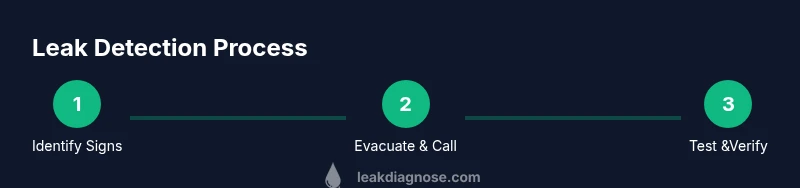
You can detect a gas leak by recognizing a distinct sulfur odor, listening for a hissing sound near gas lines, and using a calibrated gas detector in the right locations. If you suspect a leak, evacuate the area immediately, avoid flames or electrical switches, and call your gas supplier or emergency services from a safe distance.
Understanding the risk of gas leaks
Gas leaks pose a serious safety risk in homes. A leak can originate from natural gas or propane systems, appliances, or damaged piping. Quick detection is essential to prevent fire, explosion, or carbon monoxide hazards. According to Leak Diagnosis, early awareness and prompt action can dramatically reduce exposure and harm. This section lays the foundation for recognizing how leaks happen, what can fail in a typical residence, and why a cautious, methodical approach protects you and your loved ones. You’ll learn to combine sensory cues with appropriate detection tools and safe procedures. The goal is to empower homeowners to act confidently rather than panic when a potential leak is detected, while always prioritizing personal safety over trying to solve the problem yourself.
Signs that indicate a gas leak
Gas leaks often reveal themselves through obvious and subtle cues. A noticeable sulfur or rotten-egg odor is the most common sign in many regions, but odor-free leaks can occur, especially with certain gas mixtures or after venting. You might also hear a sharp hissing, roaring, or whistling sound near gas lines or appliances. Physical signs include dying vegetation around outdoor gas meters, condensation near fittings, or pilot lights that won’t stay lit. If you notice any of these indicators, treat them as potential leaks and proceed with safety steps. Remember, it’s better to err on the side of caution and evacuate if you’re unsure.
Immediate safety steps you should take
Your first priority is safety. Evacuate everyone from the affected area and avoid creating sparks—do not operate electrical switches, don’t use lighters or flames, and avoid using the phone inside the area if you can step outside safely to call for help. From a safe location, contact your gas supplier or emergency services and report the situation with as much detail as possible. If you have a portable detector and you’re trained to use it, bring it with you to the exterior while staying clear of the source. Air out the area by opening doors and windows only if it can be done without re-entering the danger zone.
How to safely test for leaks at home
Testing for leaks should prioritize safety and accuracy. Use a calibrated portable gas detector to sweep living spaces, focusing on areas around appliances, gas meters, and exposed piping. For connections and joints, a soap-and-water solution can reveal bubbles where gas may escape. Never rely on a single method; combine detector readings with the bubble test in a well-ventilated exterior area to verify suspected leaks. Maintain a safe distance from potential ignition sources during testing and stop testing if you detect a strong leak or a persistent odor.
How to locate the source of a leak
Locating a leak begins with tracing from the gas meter outward toward appliances and connections. Start at easily accessible shut-off points and inspect joints, valves, and unions. Look for damaged insulation, corroded metal, or loose fittings. If you can pinpoint a likely source, refrain from disassembly or reassembly of gas fittings unless you’re trained. Document your observations and share them with professionals when they arrive, as precise information speeds up the repair process.
Using detectors and monitoring devices
Gas detectors come in several forms: fixed in-home detectors that alarm when gas concentrates, portable detectors for spot checks, and app-connected sensors. Choose devices rated for household use and appropriate for natural gas and propane. Regular maintenance, battery checks, and calibration according to the manufacturer’s guidelines are essential to keep detectors reliable. Use detectors as an added layer of safety alongside physical signs and routine inspections of your gas system.
Testing connections with soapy bubbles
The soap-bubble test is a simple, visual method to identify leaks at joints and fittings. Mix dish soap with water, apply it to suspect connections, and look for persistent bubble formation indicating escaping gas. If bubbles appear, do not attempt repairs yourself; turn off gas if it is safe and call a professional. Rinse away the soap and keep the area well-ventilated until the professionals confirm repairs.
When to call professionals and what to expect
Gas leaks can be dangerous, and professional intervention is critical. If you smell gas, hear a hiss, or detect ongoing bubbles in test areas, evacuate and call your gas supplier or emergency services. Expect a technician to perform a comprehensive leak test, seal any compromised joints, and inspect appliances for safety compliance. After service, you’ll receive guidance on safe re-entry, venting practices, and future maintenance to prevent recurrences.
Prevention and maintenance to reduce future leaks
Prevention includes regular inspection of gas lines and appliances, timely replacement of aging components, and proper venting. Install and maintain working detectors, replace batteries as recommended, and schedule periodic professional checks. Simple habits—like keeping access clear to meters and ensuring outdoor gas vents aren’t blocked—can significantly reduce risk. Consistent maintenance is the best defense against future leaks.
What to do after a leak is resolved
After a professional confirms the area is safe, re-enter gradually and re-test the area with detectors and the soapy-bubble method in a cautious manner. Document any repairs and the date of service for future reference. Reset all alarms and ensure detectors are functioning properly. Finally, review your safety plan with all household members to prevent reoccurrence.
Tools & Materials
- Portable gas detector (calibrated for natural gas/propane)(Battery-powered, at least one per floor; ensure sensors are within date)
- Soap and water solution(Dish soap mixed with clean water; use a spray bottle or brush)
- Flashlight(High-quality LED; useful in dark corners and under appliances)
- Gas shut-off tool or key(Only if you can safely reach the valve from outside; do not attempt if you’re unsure)
- Protective gloves(Nitrile or work gloves to protect hands during testing and cleanup)
- Clean towels or rags(For wiping spills and drying test areas after the bubble test)
Steps
Estimated time: 15-60 minutes
- 1
Identify potential signs
Look for odor, hissing sounds, and dead vegetation near gas lines or meters. Note the location and the severity, but do not investigate dangerous areas further.
Tip: If you detect more than mild signs, slow down and move to a safe area immediately. - 2
Evacuate to a safe location
Lead everyone to a safe exterior area away from doors and vents. Do not re-enter until authorities declare it safe.
Tip: Choose a location with clear air and access to call emergency services. - 3
Avoid ignition sources
Do not switch lights on/off, operate phones inside the danger zone, or use any flame or spark-producing device.
Tip: Only use outdoor phones away from the suspected leak. - 4
Call for help from a safe distance
From outside the building, contact your gas supplier or emergency services and report the signs observed.
Tip: Provide exact address, the observed signs, and whether the area has been evacuated. - 5
Ventilate if safely possible
Open exterior doors and windows only if safe to do so without re-entering. This helps dilute any accumulated gas.
Tip: Keep doors/windows open on the exterior side of the building to allow air flow. - 6
Close the main shut-off if safe
If you can reach the exterior shut-off valve without crossing the danger zone, turn it off to stop further gas flow.
Tip: Do not attempt this if you are uncertain where the valve is or if it requires entering a hazardous area. - 7
Use a detector to assess the area
With proper training, sweep the area with a calibrated gas detector to identify pockets of gas moving away from the source.
Tip: Keep detector at breathing height and avoid placing it near vents that could skew readings. - 8
Test connections with soap solution
Apply soap solution to joints and fittings to check for bubbles indicating leaks. Do not disassemble fittings yourself.
Tip: Only test areas you can reach safely from a standing position. - 9
Document observations
Make notes of the suspected source, exact location, and any actions taken for the responding technician.
Tip: Take photos from a safe distance if possible. - 10
Await professional inspection
Do not attempt temporary or makeshift repairs. A licensed professional will verify, seal leaks, and test the system fully.
Tip: Ask for a written assessment and a plan for repair. - 11
Review after-service safety
After repairs, re-test the area and reset detectors. Review safety steps with household members.
Tip: Schedule periodic checks to maintain ongoing safety. - 12
Maintain detectors and plan ahead
Keep detectors maintained, replace batteries, and establish a simple leak-response plan for the future.
Tip: Practice a family drill to ensure everyone knows what to do.
Questions & Answers
What counts as a gas leak?
A gas leak is a release of natural gas or propane from a line, pipe, or appliance. It can be identified by odor, hiss, or detachment from normal operation. If you suspect a leak, prioritize safety and seek professional help.
A gas leak is gas escaping from pipes or appliances. If you suspect it, leave the area and call for help right away.
How do I detect a gas leak at home?
Use your senses for initial cues and confirm with a calibrated gas detector. If present, perform a soap test on connections and ventilate the area, then contact professionals.
Smell, listen for signs, and verify with detectors. If you think there’s a leak, leave and call for help.
Can I turn off the gas main myself?
Only if you can safely reach the external shut-off valve. If you’re unsure or it requires entering a hazardous area, do not attempt and wait for professionals.
Only if you can safely reach the valve; otherwise wait for the gas company.
Are gas detectors reliable?
Detectors greatly enhance safety but require regular maintenance, calibration, and timely replacement per manufacturer guidance.
Gas detectors help a lot, but keep them maintained and tested regularly.
What should I tell the gas company?
Tell them the location, observed signs, odor strength if any, and whether you evacuated. Provide any measurements or test results you performed.
Tell them where the leak is and what you observed.
Is a false alarm possible?
Yes, false alarms happen. Verify readings, ensure detectors are calibrated, and re-test after any maintenance or battery changes.
False alarms can happen; verify and reset after investigation.
Watch Video
Main Points
- Act quickly and evacuate if a leak is suspected.
- Use detectors and soap tests to verify leaks safely.
- Never operate switches or flames near a suspected leak.
- Call your gas supplier or emergency services from a safe location.
- Always rely on professionals for repairs and re-entry guidance.