Sewer Gas Leak Detection: A Practical Homeowners Guide
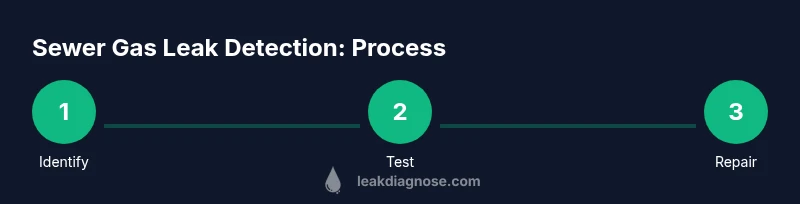
Learn how to identify, test, and safely respond to sewer gas leaks. This step-by-step guide covers detection tools, safety actions, professional help, and prevention tips for homeowners seeking reliable sewer gas leak detection.


To detect a sewer gas leak, act quickly and safely. Evacuate people and pets from the area, open doors or windows to ventilate if it’s safe to do so, and eliminate ignition sources. Call a licensed plumber or local emergency line if the odor lingers, then use a calibrated gas detector to confirm readings.
What sewer gas leak detection means and why it matters
Sewer gas is a mix of gases produced by the decomposition of waste in sanitary systems. Common components include methane and hydrogen sulfide, which can pose fire, health, and odor risks in occupied spaces. Effective sewer gas leak detection helps protect your home from dangerous exposure, reduces the risk of explosions, and supports timely repairs. According to Leak Diagnosis analysis, proactive detection reduces exposure time and improves safety outcomes for homeowners in 2026. Understanding how sewer gas travels through drains and vents helps you interpret odors, readings, and signal alerts from detectors. This knowledge is essential for DIYers and professionals alike.
- Safety first: never ignore a strong odor and always verify readings before re-entering a space.
- Detect early: early detection minimizes odor spread and limits potential damage to plumbing and structural elements.
- Document and act: keeping a simple log of observations helps when you talk with a pro.
Sources of sewer gas in homes and how they reach living spaces
Sewer gas can originate from several common sources, including clogged or dry traps, damaged sewer lines, cracked vent stacks, or backup from floor drains. If a trap seals off, sewer gases can back up into bathrooms, basements, or laundry rooms. Blockages in main lines can create pressure that forces gas to escape through weaker seals, sometimes near floor drains or toilets. In multi-story homes, venting issues on upper floors can drive gases downward through walls and cabinets. Regular maintenance, such as keeping traps primed with a small amount of water and ensuring vent pathways are clear, reduces the likelihood of gas migrating into living spaces. For families with pets or children, faster detection reduces exposure risk.
- Prime traps: a little water helps maintain a seal against gas.
- Check vents: blocked vents are a common cause of gas migration. -Look for secondary signs: oily residues on walls, sulfurous odors, or musty smells can accompany gas issues.
Immediate safety steps if sewer gas is suspected
If you suspect a sewer gas leak, prioritize safety. Evacuate occupants and pets from the area and avoid turning on lights or electrical switches that could spark if methane is present. Do not attempt to fix a suspected leak yourself if you are unsure of the source; instead, contact a licensed plumber or your local gas utility for guidance. If you must re-enter the space for any reason, ensure proper ventilation and wear protective gear such as gloves and eye protection. Keep doors wide open to improve air exchange and monitor any changes in odor. Document odors, the time they appeared, and any associated activity (like running water or heavy laundry loads) to share with a professional.
- Do a quick outdoor check: look for obvious gas smells near the property line only if safe to approach.
- Avoid ignition: methane is flammable; do not use lighters or sparking devices.
- Call professionals: a licensed plumber or gas technician should assess and repair the source.
Detection methods and tools for sewer gas leaks
DIY detection typically starts with a calibrated gas detector capable of sensing methane and hydrogen sulfide. Place the detector at floor level near suspected leak points such as drains, toilets, or basement piping. For a more thorough assessment, professionals may use video inspection tools, manometer tests, and smoke tests to locate the precise source without destructive probing. When choosing a detector, ensure it has fresh calibration, an audible alarm, and the ability to log readings. If readings indicate elevated gas levels, evacuate and call emergency services. Documentation of readings is helpful for contractors and for insurance adjusters.
- Calibrated detectors matter: accuracy influences safe decisions.
- Position matters: place detectors where gas is likely to accumulate, typically low in the room for methane.
- When in doubt, involve pros: gas readings can be tricky and require professional interpretation.
DIY inspection versus professional assessment: what to expect
A DIY inspection is appropriate for basic confirmation when the area is clearly ventilated and gas readings are low. Homeowners should not disassemble pipes or enter confined spaces where a leak is suspected; this can worsen risk. A professional inspection involves a licensed plumber or gas technician who can perform more advanced tests, seal leaks, repair damaged pipes, and validate that vents and traps function correctly. Insurance requirements and safety codes often favor professional evaluation for mid-to-high risk scenarios, especially in homes with older plumbing or compromised drainage systems. Documentation or a written report from the pro helps with warranties and future maintenance.
- Know your limits: DIY checks are for confirmation, not repair when a leak is suspected.
- Timely action matters: delaying repairs increases exposure risk and potential damage.
- Follow-up testing: request post-repair testing to ensure the gas is cleared from the living space.
How to interpret readings and determine when to call a pro
Interpreting sewer gas readings requires understanding baseline levels in your home and the detector’s alarm thresholds. A sudden spike near a drain or vent suggests an active source that warrants professional repair. Pro technicians may perform differential testing, check for trap seals, evaluate vent stack integrity, and inspect sewer lines for cracks or blockages. If alarms persist after ventilation, or if the odor remains strong despite a negative detector reading elsewhere, contact a professional promptly. Keep a written log of times, odors, and detector readings to help the technician locate the source quickly.
- Establish baselines: know your detector’s normal readings when your system is quiet.
- Elevate concerns: a persistent odor requires prompt assessment even if readings seem minor.
- Seek quick support: getting a pro on-site early reduces risk of exposure and structural damage.
Repair and remediation options after sealing the source
Once the source is located, remediation may include sealing cracks in pipes, replacing damaged traps or vent components, repairing sewer lines, or flushing and cleaning the drainage system. After repairs, a follow-up test should confirm that gases are no longer present in living areas. In some cases, replacing dry traps or installing enhanced venting can provide ongoing protection. Consider a professional assessment of your drainage layout to identify other potential gas entry points and to update maintenance schedules.
- Prioritize proper sealing: a good seal prevents gas from escaping into living spaces.
- Plan for maintenance: routine checks on traps and vents help avert future leaks.
- Verify success: a post-repair test confirms the fix and gives peace of mind.
Prevention and long-term maintenance to minimize sewer gas risk
Preventing sewer gas leaks starts with regular maintenance and mindful usage. Keep traps primed with water, run greywater through the system periodically, and ensure vent stacks are clear of debris. Address slow drains promptly to prevent pressure buildup. Consider routine professional inspections, especially in homes with aging plumbing or frequent sewer odors. Installing a connected detector network and educating household members about signs of gas buildup can also improve safety. Leak Diagnosis emphasizes sustained maintenance as the best defense against recurring sewer gas issues.
- Maintain traps and vents: regular checks reduce gas entry points.
- Schedule professional inspections: yearly or after major plumbing work.
- Educate household members: recognize odors and respond promptly.
A quick case study: common scenarios and outcomes (illustrative)
In a typical residential scenario, a dry trap in a basement bathroom allowed sewer gases to intrude when a large laundry cycle was running. The homeowner used a calibrated gas detector, ventilated the space, and contacted a plumber. The underlying issue—a cracked vent pipe—was repaired, the trap was resealed, and follow-up testing confirmed the space was safe. This example highlights the importance of early detection, professional assessment, and preventive maintenance to avoid future incidents. While not a real case, it mirrors common patterns seen in practice and demonstrates practical decision-making for homeowners.
Tools & Materials
- Calibrated multi-gas detector (methane & hydrogen sulfide)(Choose a device with recent calibration/bump test capability and audible alarms)
- Protective gloves and eye protection(Wear during inspection and when handling any equipment near potential leaks)
- Ventilation equipment (portable fan or open windows/doors)(Use to improve air exchange while assessing the area)
- Access to outside air path (door or window closest to leak)(Ensure a safe route to fresh air if evacuation is needed)
- Phone to contact emergency services or a licensed plumber(Have a way to call for professional help if gas levels are elevated)
Steps
Estimated time: 30-60 minutes
- 1
Assess safety and prepare the area
Evacuate occupants, stop using electrical devices, and set up ventilation if safe. Confirm you have a clear exit path and protection gear ready before entering the suspected area.
Tip: If you smell strong gas or hear hissing, leave immediately and call for help. - 2
Activate detection and establish baseline
Power on a calibrated gas detector and note baseline readings near suspected sources such as drains or vent pipes.
Tip: Record the location and readings to compare after maintenance or repair. - 3
Document suspect sources and odors
Identify potential sources like dry traps, blocked vents, or cracked piping. Take photos or notes to share with a professional.
Tip: Avoid propping open access panels; rely on professionals for openings that involve gas lines. - 4
Call a professional if readings are elevated
If readings exceed safe thresholds or odor persists, contact emergency services or a licensed plumber immediately.
Tip: Do not attempt repairs beyond your skill level; professionals have the right tools and training. - 5
Limit re-entry and ventilate after source is addressed
Only re-enter once a professional confirms the space is safe. Maintain ventilation for several hours following repairs.
Tip: Keep doors and vents open during the post-repair period to prevent re-accumulation. - 6
Plan for post-repair testing
Request a follow-up reading and written report from the technician to verify the issue is resolved.
Tip: Save the report for future reference or insurance claims.
Questions & Answers
What exactly is sewer gas and why is it dangerous?
Sewer gas is a mix of gases produced by waste decomposition in plumbing systems. It can include methane and hydrogen sulfide, which pose fire and health risks. Proper detection and ventilation are essential for safety.
Sewer gas comes from waste in plumbing and can be dangerous; safe detection and ventilation are essential.
How can I tell sewer gas from a normal odor?
Sewer gas odors are often sulfurous, rotten-egg like and persistent. Detectors can help differentiate gas presence from other smells, but always treat any strong or persistent odor as a potential leak and evacuate if needed.
A sewer gas smell can be sulfurous and persistent. If in doubt, evacuate and check with a detector.
Can I detect sewer gas with a home detector alone?
Home detectors can identify methane or hydrogen sulfide levels, but detecting the exact source and safely repairing it often requires a licensed professional. Use detectors as an early warning tool and for verifying after repairs.
Detectors warn you of gas, but professionals locate and fix leaks safely.
What should I do immediately if I suspect a sewer gas leak?
Evacuate the area, call emergency services or a licensed plumber, and avoid using electrical switches. If safe, ventilate the area and keep doors open while professionals respond.
Leave the area, call for help, and ventilate if safe.
Who should perform repairs after a leak is detected?
A licensed plumber or gas technician should perform any repairs to traps, vents, or sewer lines. They have the training to seal, replace, and test systems to meet safety standards.
A licensed professional should handle repairs and testing.
How can I prevent sewer gas leaks in the future?
Keep traps primed with water, ensure vents are clear, and schedule regular maintenance. Consider post-repair testing and updating your maintenance plan to catch issues early.
Regular maintenance and proper venting prevent leaks.
Watch Video
Main Points
- Identify and act on sewer gas smells quickly
- Use calibrated detectors and professional help when needed
- Maintain traps and vents to prevent future leaks
- Document readings and repairs for ongoing safety