Fixing Gas Leaks: A Homeowner's Step-by-Step Guide
Learn how to safely identify, shut off, and address minor gas leaks at home. This educational guide covers immediate safety actions, professional thresholds, and practical prevention tips for a safer living space.


You will learn how to respond safely to a suspected gas leak, locate the source, shut off the gas supply, and document next steps. This guide covers essential safety checks, quick fixes you can do only when appropriate, and clear signs to call emergency services. Always prioritize personal safety and evacuate if you smell strong gas.
Assessing Gas Leaks Safely
Fixing gas leak scenarios require calm, clear actions. The first priority is personal safety: if you smell sulfur or rotten-egg odor, hear a hissing sound, or notice a flickering flame on an appliance, treat this as a potential gas leak. You are learning how to approach a hazardous situation without escalating risk. In the context of fixing gas leak scenarios, you should never perform any action that puts you in direct danger. This section explores how to recognize the warning signs, the quick checks you can perform from a safe distance, and how to keep your family protected while you determine the next steps. Remember, gas leaks can lead to fire or explosion if mishandled; when in doubt, evacuate and call emergency services.
Signs You Might Be Facing a Gas Leak
Gas leaks are rarely invisible to the trained eye. Common indicators include a distinct rotten-egg odor, a hissing or whistling sound near gas lines, and dead vegetation near outdoor gas lines. You may also notice condensation on metal pipes or frost around a valve in very cold conditions. These signs do not confirm fixing gas leak, but they strongly suggest you should treat the situation as urgent and safe: leave the area, avoid flames or sparks, and call the gas utility or emergency services immediately. Keeping smart detectors on every floor increases the chance of early detection and reduces risk during the process of fixing gas leak situations.
Immediate Safety Actions You Can Take (From a Safe Distance)
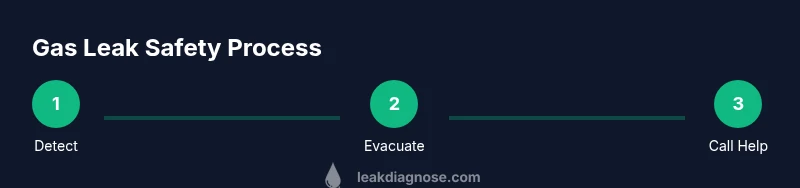
If you can reach the main shut-off valve safely, you may consider turning off the gas supply to stop the flow. Do not attempt this if there is any doubt about your ability to reach the valve or you suspect a more complex gas line fault. Move everyone to fresh air, avoid using electrical switches or open flames, and do not use phones inside the affected area. After exiting, call your gas provider or emergency services from a safe location. These steps are foundational for addressing a gas leak and are part of responsible fixing gas leak practices.
How Professionals Detect and Diagnose Gas Leaks
Qualified technicians use a combination of methods to locate leaks, including odor checks, electronic gas detectors, and pressure tests on lines and appliances. They verify the leak source by isolating sections of piping and using soapy-water tests around joints to observe bubbling. Professionals also inspect connections to appliances, regulators, and meters, and they test for improper venting or combustion issues that could mimic a leak. Understanding how professionals diagnose gas leaks helps homeowners appreciate why some steps must be left to licensed technicians and emphasizes the importance of not attempting dangerous repairs yourself when fixing gas leak scenarios.
Repairs and What You Can Do Safely After Verification
Once a professional confirms a leak and the area is deemed safe, the focus shifts to repairs that are appropriate for homeowners. Simple preventive tasks include inspecting and replacing damaged appliance hoses, ensuring proper venting, and securing access to shut-off valves for future incidents. It’s crucial to avoid DIY repairs to gas lines, meters, or regulators themselves. If you’re handling a minor appliance connection, replace any worn flexible connectors and ensure rigid piping is intact. Always follow the technician’s guidance and document what was fixed for future reference, which aids in fixing gas leak concerns and reduces the risk of recurrence.
Aftercare and Prevention: Reducing Future Gas Leak Risk
Preventive maintenance is key to minimizing future leakage. Schedule regular inspections of gas appliances, hoses, and regulators, and install or maintain functioning carbon monoxide detectors in accordance with local codes. Keep a clear, accessible path to the main shut-off valve and educate all household members on emergency procedures. Regularly review gas utility safety tips and update safety equipment as advised by professionals. The goal of fixing gas leak events should prioritize preventing reoccurrence through proactive care and education.
Authority Sources
For further reading and verification, consult established safety standards and official guidelines. These sources provide foundational knowledge about gas safety, detection, and guidelines for action during suspected leaks.
Tools & Materials
- Flashlight (battery-powered, with fresh batteries)(Non-sparking preferred; keep within reach of exits)
- Main gas shut-off wrench or handle(Know the valve location before an incident; do not force if inaccessible)
- Soapy water solution (soap + water)(Use to test joints if directed by a professional)
- Phone or landline to call emergency services or the gas utility(Do not use inside the affected area during a leak)
- Gloves (non-puncturing)(Wear when handling exposed lines only if safe)
- Carbon monoxide detector (rated and functioning)(Not a substitute for gas detection; use as a safety net)
Steps
Estimated time: 45-60 minutes
- 1
Evacuate area immediately
If you detect a gas odor, hear a hiss, or see any warning signs, calmly move everyone and pets to a safe outdoor location away from the building. Do not use electrical switches, appliances, or open flames in or near the area. Once outside, call emergency services or your gas utility for guidance. Your priority is safety, not fixing gas leak at this moment.
Tip: Do not re-enter the premise until professionals declare it safe. - 2
Shut off the gas supply only if safe
From a safe distance, locate the main shut-off valve and turn the handle 90 degrees so it blocks flow. If you cannot reach the valve safely, skip this step and wait for professionals. Shutting off gas valves too close to the leak can cause more hazards if done improperly.
Tip: Know your valve location in advance; practice with a professional present to avoid mistakes. - 3
Ventilate the area after evacuation
Open doors and windows to increase air exchange once you’re in a safe outdoor location. Do not flip any light switches or operate electrical devices that could spark. Keep the area well-ventilated until professionals verify it is safe to re-enter.
Tip: Use battery-powered lights if you must re-enter briefly for any reason, and avoid metal-to-metal sparks. - 4
Call the gas utility or emergency services
Report the suspected leak with clear details about location, valve status, and any odors or sounds. Do not delay this call; professionals can determine the level of risk and dispatch responders promptly.
Tip: Keep your address visible and have nearby landmarks ready to speed up assistance. - 5
Document and wait for a professional assessment
If it’s safe to do so after the initial response, take notes or photos of the affected area for reference. Do not attempt repairs beyond basic, safe steps or touch questionable components. Await confirmation from a licensed technician before re-energizing appliances.
Tip: Record the time of detection and actions taken for your records. - 6
Receive clearance before restarting
Only restart or relight appliances after the gas utility or a licensed professional has confirmed it’s safe. They will test the system and ensure there are no lingering leaks before you use any gas-powered equipment again.
Tip: Ask for a written report of the inspection and any required maintenance tasks.
Questions & Answers
What should I do immediately if I smell gas?
Evacuate the area and call emergency services or your gas utility from a safe location. Do not operate electrical switches or flames until professionals confirm safety.
Evacuate and call for help immediately; do not attempt any fixes on your own.
Can I shut off the gas myself?
Only if you can reach the valve safely and know how to operate it without risk. If you’re unsure, wait for professionals.
Only try to shut off the gas if you can safely reach the valve and know how to operate it.
Is it safe to use electrical devices during a suspected leak?
No. Avoid switching on lights, using phones, or any device that could create a spark while the situation is unresolved.
Avoid all electrical devices and sparks until a pro confirms safety.
How do I know when it’s safe to return inside?
Return only after the gas utility or licensed professional inspects and declares the area safe. They will test all lines and appliances.
Wait for official clearance before re-entering and re-energizing your home.
What ongoing steps reduce future gas leaks?
Schedule regular inspections of appliances, replace worn hoses, install detectors, and educate household members on emergency procedures.
Keep up with regular checks and detector maintenance to prevent leaks.
Who should perform repairs after a leak is detected?
Only licensed gas technicians or your gas utility repair team should perform leak repairs. Do not attempt dangerous repairs yourself.
Let licensed professionals handle the actual repairs.
Watch Video
Main Points
- Act fast and prioritize safety over fixes.
- Know valve locations and call professionals promptly.
- Do not attempt gas line repairs yourself.
- Ventilate and document after assessment for future safety.