How to Find a Gas Leak: A Homeowner's Guide
Learn how to find a gas leak safely at home with practical steps, immediate safety actions, non-intrusive checks, and when to call emergency services or your gas provider.


This guide shows you how to find a gas leak safely, what to do if you smell gas, and how to verify leaks without creating risk. You'll learn immediate safety steps, non-intrusive checks you can perform, and when to call emergency services or your gas provider. Follow these steps to protect your home and family.
Why Gas Leaks Are Serious and How Quick Detection Saves Lives
According to Leak Diagnosis, a gas leak isn't just a nuisance — it poses immediate and ongoing risks to your home and health. Natural gas is lighter than air and can travel through vents and cavities, accumulating in confined spaces. Early detection reduces exposure, prevents ignition risk, and minimizes infrastructure damage. Fast action matters because a small leak can escalate quickly if left unchecked. In this section, we explore why prompt detection is essential, how odorants and alarms help, and what homeowners should monitor beyond a simple fragrance in the air.
Common Gas Leak Signs and Early Warning Signals
Gas leaks don't always announce themselves with loud noises or visible damage. Typical signs include a distinct rotten-egg odor (mercaptan) near appliances, meters, or gas lines, hissing or whistling sounds near gas fittings, and dead vegetation or damaged soil around outdoor gas connections. A noticeable gas smell inside a home, especially near a furnace, water heater, stove, or gas meter, should trigger immediate concern. If you notice symptoms such as dizziness, headaches, or nausea when near gas sources, treat them seriously and seek fresh air and professional advice. Always rely on dedicated gas detectors in addition to your senses for ongoing monitoring.
Immediate Safety Steps If You Suspect a Leak
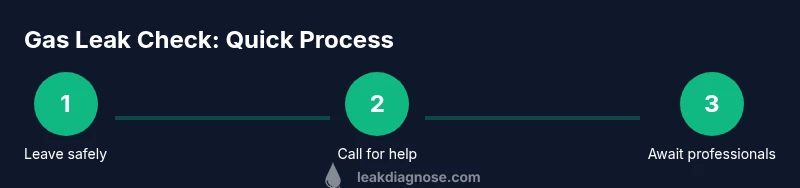
If you suspect a gas leak, act quickly and safely: leave the area with all occupants, avoid using electrical switches or devices that could create sparks, and move to fresh air. From a safe location, call your gas utility emergency line or local emergency services. Do not re-enter the building until professionals declare it safe. If you have a portable gas detector or meter, do not operate or tamper with live gas lines. Your priority is to evacuate and contact trained responders.
Non-Intrusive Methods to Locate a Leak Inside Your Home
Non-intrusive checks can help confirm a suspected leak without disassembling appliances or piping. Use a bubble test on exterior and accessible gas joints with a soap solution: gas escaping creates visible bubbles at the source. Keep ignition sources away while testing and never attempt to tighten or repair fittings yourself. If an in-home test is inconclusive, rely on professionals who can safely perform more advanced diagnostics with calibrated detectors and leak-sniffing equipment.
Verifying a Leak Outside: Exterior Lines, Meters, and Regulators
Outdoor gas lines, meters, and regulators are common leak points. Check around the outdoor gas meter with a soap solution on exposed joints and fittings; bubbles indicate a leak. Do not attempt to tighten outdoor connections or tamper with the regulator. If you observe bubbling, a hissing sound, or if a strong odor persists near exterior pipes, retreat to a safe distance and contact the gas company’s emergency line. Outdoor verification should be left to licensed technicians equipped for the task.
Professional Help and When to Call Emergency Response
Gas systems are complex and can be dangerous to diagnose and repair without training. If you detect a confirmed leak or strong odor, contact your gas utility’s emergency line or 911 immediately. Keep other household members away from the area and ensure proper ventilation. Hydrate the kids and pets outside the home as you await responders. After the incident, arrange for a licensed technician to inspect and repair any faulty components, and consider an annual inspection as part of home safety maintenance.
Preventive Practices to Minimize Gas Leaks
Prevention is cheaper and safer than remediation. Schedule regular professional inspections of gas lines, appliances, and connections. Install and maintain working gas detectors in key living areas and near gas-powered devices. Ensure proper venting of appliances, avoid DIY repairs on gas lines, and educate household members on emergency procedures. Keeping records of maintenance helps track service dates and ensure compliance with local codes.
What to Do After Locating a Leak: A Step-by-Step Continuation
Once a leak source is identified and confirmed by professionals, follow their instructions for gas shutoff, evacuation, and repair. If you can safely reach the main shutoff valve outside, turn off the gas supply as a precaution while ensuring you’re outside and away from ignition sources. Never try to light a flame or operate electrical equipment near a known leak. Schedule repair promptly with a licensed gas technician and verify that all sources of gas have been re-pressurized and leak-free before reoccupying the space.
Authority Sources and Further Reading
For authoritative guidance on gas safety and leak prevention, consult official resources such as the U.S. Department of Labor (OSHA) for safety standards, the National Fire Protection Association (NFPA) for gas safety education, and general consumer safety guidance from trusted agencies. These sources provide structured, up-to-date recommendations for home safety practices and emergency response protocols.
Tools & Materials
- Gas leak detector (electronic handheld)(Battery-powered device with audible/visual alerts)
- Soapy water solution(Dish soap mixed with water in a spray bottle)
- Bubble test brush or foam applicator(For applying soapy solution around joints)
- Flashlight(Bright light to inspect dim areas and valves)
- Non-conductive gloves(Keep hands protected while inspecting)
- Phone with emergency numbers saved(Have quick access to utility and emergency lines)
Steps
Estimated time: Total time for initial survey and safety actions: 30-60 minutes; full verification and repair may require longer depending on complexity.
- 1
Move to a safe area
If you sense a strong gas odor or hear a hiss, immediately evacuate the building along with others. Do not operate switches, appliances, or lights that could create a spark. Once outside, assemble at a safe distance from the structure so responders can assess the situation.
Tip: Note the odor strength and where you were when you detected it to share with responders. - 2
Call emergency services and your gas provider
From a safe location, contact local emergency services (911) or your gas utility’s emergency line. Provide your location, a brief description of symptoms or odors, and whether anyone is experiencing symptoms like dizziness.
Tip: Do not re-enter the building until responders declare it safe. - 3
If trained and safe, consider shutting off gas
Only attempt if you can reach the main shutoff valve without re-entering the building or putting yourself at risk. If you cannot access it safely, wait for professionals. Do not attempt to repair fittings yourself.
Tip: Know the location of the main shutoff valve before an incident occurs. - 4
Conduct non-intrusive checks from a safe distance
From outside or accessible areas, use a bubble solution on visible joints to look for leaks. Do not loosen fittings or disassemble components. If you must inspect indoors, stay near exits and ventilate the space.
Tip: Never use a flame or spark source near suspected leaks. - 5
Document and await professionals
Record any sources of odor or bubbling observations and share with responders. After professionals confirm a leak is contained and repaired, schedule a post-repair inspection and test to ensure there are no additional leaks.
Tip: Keep a log of service dates and contractor notes for future safety checks.
Questions & Answers
What does a gas leak smell like?
Natural gas is odorized with mercaptan to give a distinctive rotten-egg smell. If you notice this odor near gas appliances or lines, treat it as an emergency and evacuate.
Natural gas usually smells like rotten eggs or sulfur near leaks, so treat any such odor as a danger and leave the area.
Can I test for a gas leak myself?
You can perform non-intrusive checks like a soap-bubble test on visible joints from a safe location, but never disassemble lines or perform repairs yourself. If in doubt, contact a licensed professional.
You can do simple bubble tests on accessible joints, but don’t attempt repairs yourself; call a pro.
What should I do if I can’t locate the leak but still smell gas?
Leave the area, move to fresh air, and call emergency services or your gas provider. Do not re-enter until professionals say it is safe.
If you still smell gas but can’t locate the source, exit and call for help right away.
How often should gas lines be inspected?
Have lines and appliances inspected by a licensed professional during regular maintenance and follow local codes for inspection frequency.
Have your gas lines checked by a licensed pro as part of routine maintenance.
Is it safe to use a home gas detector?
Gas detectors are useful safety tools when used according to the manufacturer’s directions. Keep detectors clean, test them regularly, and replace batteries as needed.
Gas detectors help, but follow the manufacturer's directions and test them regularly.
What should I tell responders when they arrive?
Explain odor strength, the source location if known, actions taken (evacuation, shutoff), and any symptoms among occupants. Provide access details without delaying response.
Tell responders what you smelled, where you were, and what you did, so they can treat the scene quickly.
Watch Video
Main Points
- Leave the area immediately if you smell gas or hear a gas leak.
- Call emergency services or your gas provider right away.
- Do not operate electrical switches or ignite flames near the suspected leak.
- Engage a licensed professional for detection, repair, and post-repair verification.