Signs Gas Leak: How to Spot and Respond Safely
Identify the warning signs of a gas leak, learn safe verification steps, and know immediate actions to protect your home and family. A practical guide from Leak Diagnosis.


Key signs of a gas leak include a distinctive rotten-egg odor, a hissing or whistling sound near gas lines, and visible white mist or bubbles in running water. If you smell gas or hear any suspicious sound, evacuate immediately and call your gas supplier or emergency services from outside the home. Do not switch lights or appliances on/off.
Signs gas leak: what to look for
Gas leaks can manifest through a mix of obvious and subtle cues. The most reliable early indicators are often detectable without specialized equipment. Homeowners should be aware of the strongest signals that correlate with a gas release and understand how to respond promptly. The presence of a leak may be fleeting or persistent, depending on the size of the leak and the location of the line. Being able to distinguish between normal household sounds and a potential leak requires practice, attention to odor, and a quick reference checklist. Regular home safety audits, especially in areas housing gas appliances, help you catch warning signs sooner and reduce risk to occupants.
Key indicators to monitor include the smell of sulfur or rotten-egg odor near gas lines or appliances, the appearance of a visible mist or fog around outdoor gas vents, and any unusual hissing, whistling, or roaring sounds near gas pipes or connections. If you notice any of these cues, treat them as a safety incident and initiate the recommended steps immediately.
Primary signs homeowners notice
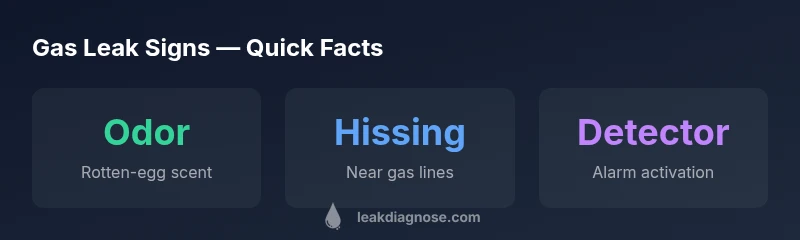
Many gas leaks begin with obvious cues, but some signs are easy to miss if you’re not paying attention. The most common indicators are the scent of a mercaptan additive (rotten-egg odor) and a distinct hissing sound near gas lines or appliances. A gas detector alarm or a smart home sensor triggered by the presence of natural gas is another strong signal. Some households report subtle cues, such as water bubbling near gas lines or small patches of dead vegetation around outdoor gas meters. While these are less common, they can accompany larger leaks or long-term exposure and warrant professional inspection. Being able to recognize these signs quickly can prevent more serious outcomes and give you a safer window to evacuate and call for help.
- Rotten-egg odor near appliances or outdoor vents
- Hissing or whistling sounds near gas lines
- Gas detector alarms activating in living spaces
- Unusual vegetation die-off near meters or lines
If you observe any of these, do not attempt to investigate further on your own. Instead, move to a safe area and contact your gas provider or emergency services from outside the home.
Less obvious signs and verification steps
Not all gas leaks present with a strong odor or audible cue. Some leaks may occur in areas protected from drafts or inside walls, where odors disperse quickly and sounds are muffled. In such cases, non-odorous yet dangerous indicators include inconsistent appliance performance (fluctuating burner flames, pilot lights going out unexpectedly), increased condensation around vents, or a sudden rise in headaches or dizziness among occupants—especially when gas appliances are active. If you suspect a leak but can’t confirm it visually, use a certified gas detector to check ambient air quality and inspect accessible gas connections for corrosion or looseness. Do not attempt to tighten or repair gas lines yourself. A licensed technician should perform any fixes.
Verification steps include: checking appliance shut-off valves, listening near connections for abnormal sounds, and ensuring that exterior venting is clear and not blocked by debris. If you are in doubt, treat it as a leak and call for professional assessment.
Immediate safety steps if you suspect a gas leak
When a gas leak is suspected, safety must come first. Do not use electrical switches, do not light matches or candles, and avoid creating a spark in the area. Evacuate everyone from the building to fresh air, taking the shortest path away from the gas source. From outside, call your gas company or emergency services and report the odor, sounds, or detector alerts. Do not re-enter the home until authorities declare it safe. If you must stay inside during a controlled shutdown for a short period, keep doors to the affected area closed to limit gas diffusion and avoid using electrical devices until you receive clearance.
If a small, contained gas flame is present (for example, on a pilot light that won’t stay lit), treat it as a potential indicator of a leak and move away from the area while you seek help. Remember that natural gas is highly flammable; all steps should prioritize evacuation and professional assessment rather than DIY repairs.
Safe verification and professional assessment
After the initial threat is mitigated, you can perform non-intrusive checks to understand potential causes and plan next steps. Use a certified gas detector to assess ambient levels and note any changes in readings after ventilation is established. Check visible connections for obvious signs of wear or looseness, but do not attempt to tighten or adjust gas lines yourself. Document the location of any suspected leak, including the type of appliance involved and the time of the observation, to share with technicians. Schedule a full inspection with a licensed gas technician or your utility provider, especially if the odor recurs or if the detector continues to beep. The goal is to identify the source, confirm the integrity of the supply, and ensure safe operation of all gas appliances.
Prevention and maintenance to reduce risk
Prevention is the most effective defense against gas leaks. Regular maintenance of gas appliances and piping helps reduce the likelihood of a leak and extends the life of equipment. Install and maintain multiple gas detectors, including at least one near sleeping areas, to ensure early detection even during night hours. Ensure outdoor gas meters and service lines are clear of vegetation and debris and schedule routine inspections by licensed professionals per local codes and appliance manufacturer recommendations. Keep a written maintenance plan and log for all gas-related equipment, including testing dates and service notes. Finally, educate household members about signs of a leak and the correct evacuation steps so everyone can act calmly and decisively in an emergency.
Debunking myths and common questions
There are several misconceptions about gas leaks that can delay a safe response. A frequent myth is that a leak will always produce a strong odor—some leaks may be odorless in certain conditions or masked by other scents. Another myth is that turning on a light switch will help you identify a leak; this could ignite leaking gas and is dangerous. In reality, the safest action is to evacuate and call authorities. If you’re unsure, rely on certified detectors and professional assessments rather than DIY investigations. By distinguishing myths from facts, you can respond more effectively and protect your family.
When to involve professionals vs DIY
Gas leaks require professional assessment and repair. Do not attempt to fix a gas line yourself or bypass safety protocols. If you notice any signs of a leak, contact your gas provider and emergency services immediately. For minor leak indicators (such as a detector alarm without odors), ventilate the space and arrange for a follow-up professional inspection to verify there is no ongoing issue. People with gas appliances should schedule regular maintenance with licensed technicians and follow the manufacturer’s safety guidelines to minimize risk.
],
dataTable":{"headers":["Sign Type","Indication","Recommended Action"],"rows":[["Rotten-egg odor","Gas presence near appliances or lines","Evacuate immediately; call gas supplier or emergency services from outside; do not operate switches or flames"],["Hissing or whistling near gas line","Gas leak suspected in piping or connections","Leave area, call emergency services; avoid ignition sources"],["Gas detector alarm on device","Gas detected by sensors","Evacuate and contact professionals; ventilate only after outside clearance"]],"caption":"Quick reference signs and responses"},
keyTakeaways
keyTakeaways: [
Act immediately if you detect gas signs.
Evacuate to fresh air and call for help.
Never operate electrical switches or flames during a suspected leak.
Install and test gas detectors regularly.
Schedule professional inspections for all gas lines.
Quick reference signs and responses
| Sign Type | Indication | Recommended Action |
|---|---|---|
| Rotten-egg odor | Gas presence near appliances or lines | Evacuate immediately; call gas supplier or emergency services from outside; do not operate switches or flames |
| Hissing or whistling near gas line | Gas leak suspected in piping or connections | Leave area, call emergency services; avoid ignition sources |
| Gas detector alarm on device | Gas detected by sensors | Evacuate and contact professionals; ventilate only after outside clearance |
Questions & Answers
What are the most common signs of a gas leak?
The most common signs include the odor of rotten eggs, a hissing sound near gas lines, and gas detector alarms. Dizziness or headaches may occur with exposure in enclosed spaces. If you notice signs, evacuate and contact professionals.
Look for odor, noises, and detector alerts; evacuate and call for help.
Can a gas leak cause carbon monoxide poisoning?
Yes, leaking gas appliances can produce carbon monoxide if venting is compromised. Install CO detectors in living spaces and near sleeping areas, and ensure proper venting and maintenance of appliances.
Gas leaks can lead to CO buildup; use CO detectors and get professional checks.
What should I do if I smell gas in the home?
Evacuate immediately to fresh air, avoiding any ignition sources. From outside, call your gas company or emergency services and report the odor. Do not re-enter until responders say it’s safe.
Get outside, call for help, and wait for clearance.
Can I test for a gas leak myself?
Don’t test with flames or electrical devices. Use certified gas detectors or contact licensed professionals for a safe assessment.
Don’t try to test with matches or switches—use a detector or call a pro.
How often should gas lines be inspected?
Gas lines should be inspected at intervals recommended by local codes and appliance manufacturers. Schedule regular professional inspections to maintain safety.
Follow local codes and manufacturer guidance for regular checks.
“Gas leaks demand swift, safety-first action; never rely on intuition—evacuate and call professionals. A calm, practiced response protects lives.”