How to know if you have a gas leak
Learn clear signs of a gas leak, immediate safety actions, and prevention tips for homeowners. A practical, step-by-step safety guide from Leak Diagnosis.


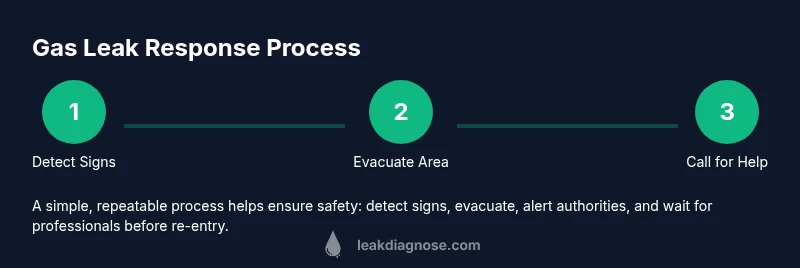
Here’s how to know if you have a gas leak: signs include a strong rotten-egg odor, a hissing sound near a gas line, or dying vegetation around appliances. If you notice any of these, evacuate, avoid ignition sources, and call your gas utility or emergency services from a safe distance. Do not attempt repairs yourself.
What is a gas leak and why it matters
Gas leaks are serious safety risks that can lead to fires, explosions, or health issues if not handled promptly. Natural gas and propane are highly flammable, and even small leaks can accumulate in enclosed spaces. The purpose of this guide is to help homeowners recognize when a leak may be present, understand why it happens, and know the first steps to take to protect people and property. According to Leak Diagnosis, early and calm response minimizes damage and increases chances of a safe resolution. This article is written for homeowners and DIY enthusiasts who want practical, actionable information. By understanding the signs, you can act quickly and prevent dangerous outcomes in your home in 2026 and beyond.
Common signs and early warning indicators
Gas leaks don’t announce themselves with a single unmistakable signal. Instead, most homeowners notice a combination of clues that warrant caution. The most common sign is a distinctive rotten-egg smell (mercaptan) added to natural gas or propane; however, leaks sometimes occur when the odor is masked by other scents or by poor ventilation. You may also hear a hissing or whistling noise near a gas line or appliance, especially when doors or windows are closed and pressure builds. Visual indicators include bubbles in pools or wet ground around a line, white frost on a valve in cold weather, or unusually dry patches of vegetation around outdoor gas pipes. Finally, some people experience headaches, dizziness, or nausea in spaces with a leak, particularly if ventilation is poor. If you notice several of these signs together, treat it as a potential leak and take action immediately.
Understanding smell, sounds, and physical signs
Mercaptan odor is the standard safety feature of most natural gas and propane systems, but the smell can be faint or temporarily overwhelmed by cooking odors, cleaning products, or other scents. Physical signs like a constant hiss at a valve or the sensation of air movement near a pipe are additional cues. Do not rely on smell alone—even a faint odor together with a suspicious sound or visual cue should prompt caution. It’s important to differentiate between routine kitchen odors and a possible leak; if you are unsure, err on the side of safety and implement the recommended steps.
In today’s homes, detectors play a key role. A dedicated gas detector can provide an early alert, augmenting human senses. Remember that detectors require battery checks and periodic calibration to stay reliable. The goal is to identify leaks early enough to evacuate safely and contact professionals before any ignition source is present.
Immediate actions if you suspect a gas leak
If you suspect a gas leak, your primary goal is safety. Immediately evacuate everyone from the area and move to a safe place outdoors. Do not operate electrical switches, lights, appliances, or phones inside the affected zone—sparks can ignite leaking gas. If it is safe to do so from a distance, shut off the gas supply at the main valve only if you can do so without creating a spark or putting yourself in danger. Call your gas utility company or emergency services from outside the home or from a neighbor’s phone. Do not re-enter the building until a qualified professional confirms it is safe.
During this stage, stay low to the ground if you must move through a gas-affected area, as heavier-than-air gases can accumulate near the floor in some settings. Do not attempt to locate the exact leak you should leave that to trained technicians.
Safe evacuation and staying out of danger
A clear evacuation plan helps keep everyone safe. Before a leak occurs, practice a quick exit route with all household members, including pets, and designate a safe meeting point away from the house. Once outside, keep doors and windows closed to minimize gas entering the space you left. If you have outside vents or a crawl space, avoid approaching it if you smell gas nearby. If you’re in a multi-unit dwelling, inform neighbors so they can take appropriate precautions. When you survive the initial danger, you must contact professionals to assess and repair the leak and to check for gas accumulation inside walls or vents.
In the interim, do not use any fuel-burning appliances until a professional confirms it is safe to re-enter.
What to do if you smell gas indoors vs outdoors
Indoor leaks require immediate action: evacuate, call the gas utility, and avoid any actions that could create a spark. Outdoors, if you notice a strong odor or hissing near a utility entry point, step back and alert others nearby. Do not attempt to seal or ignore the leak; purpose-built equipment and procedures are required to assess the situation safely. If you’re outdoors and a leak is very strong, call emergency services from your current location, especially if the gas is visible or the odor is overwhelming. In all cases, treat any suspected outdoor leak with caution as well—pipe corrosion and buried lines can fail unexpectedly.
How professionals verify and fix gas leaks
When technicians arrive, they perform a multi-step assessment using calibrated detectors and pressure tests to locate the exact source. They inspect gas lines, valves, and appliances connected to the system, and verify that there is no ongoing gas release. If a leak is confirmed, they will isolate the affected area, advise on repairs, and ensure proper ventilation before restoring service. After the leak is resolved, professionals typically inspect connected appliances and the home’s ventilation to eliminate any residual gas. Remember: only licensed professionals should perform repairs or shutoffs beyond basic safety steps.
Preventing gas leaks: maintenance and detectors
Prevention is better than cure. Regular maintenance of gas appliances, vents, and piping reduces leak risk. Install and routinely test gas detectors near sleeping areas and kitchens, ensuring batteries are fresh and sensors are functional. Schedule annual checkups with a licensed technician who can inspect regulators, connections, and seals. If your home uses propane or natural gas, ensure outdoor lines are protected from weather and landscaping that could cause damage. Small investments in detectors and professional inspections can prevent costly incidents and keep your family safe.
After a leak: re-entry and remediation steps
Once professionals declare the area safe, gradually re-enter and assess the space for any lingering odors or symptoms. If any symptoms return (headache, dizziness, nausea), leave again and seek evaluation. Have all gas appliances inspected or replaced as needed, and reset detectors to ensure ongoing protection. Keep records of the incident, including time, location, actions taken, and the professionals who serviced the system. Finally, consider upgrading to newer, safer appliances and improving ventilation to reduce future risk.
Do's and don'ts around gas leaks
Do:
- Evacuate immediately if you smell gas or hear a hiss near a gas line.
- Call your gas utility or emergency services from a safe location.
- Ventilate the area if it is safe to do so by opening doors and windows after leaving the space.
- Have a licensed technician inspect and repair all suspected leaks.
Don't:
- Do not light flames, strike matches, or use electrical switches in the affected area.
- Do not attempt DIY repairs on gas lines or appliances.
- Do not ignore warning signs or delay seeking professional help.
- Do not re-enter until professionals clear the area.
Common myths and truths about gas leaks
Myth: Gas leaks are obvious because they always smell strong. Truth: Some leaks may be faint or masked by other odors, which is why detectors and cautious behavior are essential. Myth: If I don’t smell gas, there isn’t a leak. Truth: Gas leaks can occur without a noticeable odor, especially if ventilation is good; detectors help identify hidden sources. Myth: I can fix a leak myself with tape or sealant. Truth: Leaks require professional assessment and repair to ensure safety and code compliance.
Tools & Materials
- Phone to call emergency services/gas utility(Keep numbers handy; call from a safe location away from the potential leak)
- Gas detector (portable)(Battery-powered; test regularly and calibrate as recommended)
- Flashlight(Power may be out; use LED flashlight; avoid open flames)
- Closed-toe shoes and protective clothing(Ground may be wet or contaminated; protect feet and skin during evacuation)
- Main gas shut-off tool (if you know how to use it safely)(Only if you can access the valve without creating a spark or risk)
- Notepad and pen(Record times, detector readings, and who you contacted)
Steps
Estimated time: 30-60 minutes for initial response; full repair and clearance may require additional time
- 1
Identify signs and assess risk
Scan for odor, listen for a hiss, and look for visual cues like bubbles or dry patches near pipes. If any sign of a leak is present, prepare to act without delay.
Tip: Note the exact location of the sign to help responders locate the source quickly. - 2
Evacuate occupants
Move everyone to a safe outdoor area away from the suspected leak. Do not stay in the building or return for belongings.
Tip: Bring pets with you; keep children away from the danger zone. - 3
Avoid ignition sources
Do not light flames or operate electrical switches, devices, or phones inside the affected area to prevent sparks.
Tip: If possible, stay low to reduce gas exposure; gas may pool near the ground in some environments. - 4
Call for help from a safe location
Call your gas utility or 911 from outside the danger zone. Provide your address, a description of signs, and any symptoms.
Tip: If you’re in a multi-unit building, alert neighbors so they can evacuate as well. - 5
If safe, shut off gas at the main valve
Only attempt this if you can do so without approaching the source or creating a spark. Otherwise, wait for help.
Tip: Shutoff is not a DIY repair—professionals must verify and restore service. - 6
Wait for professionals and ventilate
Remain outside until utility technicians declare the area safe and ventilate the space as they instruct.
Tip: Do not re-enter until approved; repeated exposures can be harmful. - 7
Follow-up safety checks
After clearance, have all gas appliances inspected and confirm detectors are functional before resuming normal use.
Tip: Keep a log of the incident and notes from technicians for future reference.
Questions & Answers
What are the most common signs of a gas leak?
Expect a rotten-egg odor, a hissing sound near a gas line, or dead vegetation around outdoor gas pipes. These cues should prompt immediate safety actions and professional evaluation.
Common signs include a gas smell, a hissing sound, and stressed vegetation near gas lines. If you notice any of these, evacuate and call for help.
Is it safe to switch off the gas valve if I suspect a leak?
Only if you can reach the valve safely without creating a spark or exposing yourself to danger. In most cases, it is best to leave shutoff to trained technicians.
Only try to shut off the gas if you can do it safely; otherwise, wait for professionals.
Should I call emergency services if I smell gas at home?
Yes. If you smell gas or hear a strong leak, evacuate and call your gas utility or emergency services from a safe location immediately.
Yes—evacuate and call the gas utility or emergency services from a safe location.
Can gas leaks cause health problems even without a strong odor?
Yes. Gas leaks can cause dizziness, headaches, nausea, or difficulty breathing, especially in poorly ventilated spaces. Seek fresh air and professional assessment right away.
Yes, even without a strong odor, health symptoms can occur and should be treated seriously.
How can I prevent gas leaks in the future?
Schedule annual professional inspections of appliances and connections, install detectors, and maintain clear ventilation. Address any odor or sound promptly.
Have yearly professional checks and detectors installed to prevent leaks.
What should I do after a gas company confirms a leak is fixed?
Follow the technician’s instructions, re-check all appliances, test detectors, and keep records of the service. Resume normal use only after clearance.
Follow the technician's guidance and ensure detectors work before returning to normal use.
Watch Video
Main Points
- Identify signs early to reduce risk.
- Evacuate and call professionals from a safe location.
- Do not attempt DIY gas repairs.
- Use detectors and maintenance to prevent leaks.
- Re-entry is only after clearance by a qualified technician.
- Document the incident for future safety improvements.