Natural Gas Leak Safety Guide: Detection & Response
Learn how to recognize, respond to and prevent a natural gas leak with practical steps, safety tips and expert guidance from Leak Diagnosis. This guide covers detection methods, emergency actions and prevention strategies for homeowners.


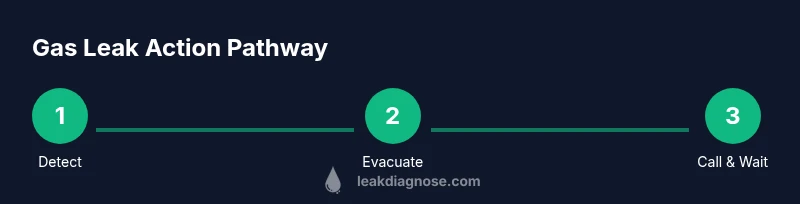
By following these steps, you will learn how to recognize and respond to a natural gas leak safely, protect your family, and prevent damage. Signs include the odor of rotten eggs, a hissing sound, or a damaged gas line. If you suspect a leak, evacuate immediately, avoid creating sparks, and call your gas company or emergency services. Only shut off the main valve if you can do so safely.
What is a natural gas leak and why it's dangerous
A natural gas leak is a serious home safety issue that occurs when gas escapes from a pipe, appliance, or valve. Natural gas powers many appliances, but a leak creates a risk of fire, explosion, and health problems if inhaled in enclosed spaces. Gas is odorized with mercaptan to help you notice leaks, but odor strength can vary and may be hard to detect in a smoky or closed environment. According to Leak Diagnosis, a natural gas leak is most likely to originate at appliance connections, piping joints, or meters, especially in older homes or after renovations. The gas itself is lighter than air and tends to rise, accumulating near ceilings or in poorly ventilated areas. In poorly ventilated basements or crawl spaces, a leak can spread before you notice it, so early detection is crucial. This article equips homeowners with practical steps to recognize, respond to, and prevent natural gas leaks, using actionable guidance that is safe and compliant with safety standards. By understanding what a natural gas leak looks, smells, and sounds like, you can act quickly to protect your family.
Signs and detection methods for a natural gas leak
Natural gas leaks are typically detected by a combination of senses and devices. The most common sign is the odor near the source, caused by mercaptan added to natural gas. You might also notice a distinct hiss or whistling sound from a pipe, or see bubbling in water near an appliance connection after a heavy rain. Visual cues such as dirt blowing, dry vegetation, or a white fog near the line can indicate a leak. Many homes use gas detectors to provide early warning; install detectors on every level, especially near sleeping areas, kitchens, and near any gas-powered appliance. Detectors should be UL-listed, with a reliable sensor type and a loud alarm. Regularly test detectors and replace batteries as recommended by the manufacturer. If you detect any combination of signs, treat it as a potential gas leak and act fast.
Immediate safety actions if you suspect a leak
If you suspect a natural gas leak, safety must come first. Evacuate everyone from the building and move to fresh air, avoiding machinery or electrical sources that could spark. Do not use phones, switches, or appliances inside the structure; instead, call your gas utility or emergency services from a safe location. If you can do so from outside and it is safe, turn on your exterior lights, gather occupants, and provide responders with your location and any known hazards. Do not attempt to repair or seal a gas leak yourself. Keep others away from the area until professionals arrive and declare it safe.
If safe to do so, shut off the gas main valve
Shutting off the gas supply can stop the leak from feeding into the home, but this step must be done safely. If you are outdoors or at a clearly safe access point, and you know where the main shut-off valve is, you can turn it slowly to off position using an appropriate wrench or shut-off tool. Do not attempt this if you cannot reach the valve without passing through areas with gas. After turning it off, leave the building and await instructions from emergency responders or the gas company. Do not turn valves back on until a qualified technician has inspected and approved the system.
Evacuation and communication planning for gas leaks
Evacuation plans should be practiced and clear for all household members, including children and pets. Designate a safe meeting place away from the building and ensure everyone knows to report to a neighbor or family member if contact with emergency services is needed. Prepare an emergency contact list with the local gas utility, fire department, and healthcare contacts and keep it accessible. After evacuation, do not re-enter until responders confirm it is safe. If you have a multi-unit dwelling, inform neighbors and property management so they can take appropriate action.
Maintaining detectors and appliances to reduce leaks
Regular maintenance reduces the risk of natural gas leaks. Test gas detectors monthly if possible and replace batteries as needed. Have a licensed technician inspect gas lines, connectors, and appliances on a schedule appropriate for your region and appliance type. Replace worn connectors and corrugated hoses, and ensure ventilation around gas appliances is sufficient. Avoid DIY fixes on gas piping unless you are trained, and never ignore signs of corrosion or damage.
Common sources of natural gas leaks in homes
Leaks most often originate at appliance connections, valve joints, or deteriorated piping. Faulty installation, aging components, or damage from drilling or renovations can create a path for gas to escape. Outdoor gas lines or meters may also develop leaks, particularly after severe weather or ground movement. If you notice a persistent smell near outdoor lines, treat it as urgent and contact the gas utility right away. Early detection helps prevent escalation and ensures the proper team can inspect the system.
Prevention and ongoing safety practices for natural gas users
Adopt routine inspection and maintenance to minimize leak risk. Install detectors on every level and near sleeping areas. Schedule annual or regular professional inspections of gas lines and appliances, especially in older homes. Use properly rated connectors and avoid placing gas appliances near heat sources or in enclosed spaces without adequate venting. Train household members on safe responses to a suspected leak and rehearse evacuation drills to improve readiness.
AUTHORITY SOURCES and safety guidelines
For authoritative guidance on gas safety and leak response, refer to official sources from PHMSA and OSHA as well as national energy guidance. These agencies provide safety recommendations, regulatory context, and best practices for detection, response, and prevention. Visiting their resources can help you stay compliant and prepared. Health and safety guidelines emphasize acting quickly to minimize risk and ensuring responders can access the site without delay.
Tools & Materials
- Gas detector (natural gas/propane)(Prefer battery-powered, with audible alarm on each level)
- Main gas shut-off wrench or shut-off key(Use only if you can safely access the valve from a safe location)
- Emergency contact list (gas utility and local emergency services)(Keep a printed, accessible copy)
- Flashlight(In case of power loss; avoid open flames)
- Gloves and eye protection(Wear if there is potential exposure to damaged piping; do not touch if gas is actively leaking)
- Phone or mobile device(Call for help and report location; keep battery charged)
Steps
Estimated time: several minutes
- 1
Identify signs of a gas leak
Be alert for the scent of rotten eggs, a hissing sound from a pipe, or visible damage around gas lines. Gas leaks may appear suddenly or develop slowly if a connection has degraded. Prioritize safety by preparing to evacuate if any signs are present.
Tip: If you detect multiple signs, treat it as a leak and act immediately. - 2
Evacuate the area immediately
Move all occupants to fresh air away from the building. Do not use electrical devices, switches, or open flames while exiting. If you live in a multi-unit building, alert neighbors as you leave.
Tip: Take your emergency contact list with you and keep doors between you and the source closed if you can do so safely. - 3
Call emergency services or your gas utility
From a safe location, contact your gas company or local emergency number and provide your address and a brief description of what you observed. Do not re-enter the building until responders say it is safe.
Tip: If you are in a mobile home or rural area, have a backup number handy and consider using a landline if possible. - 4
Shut off the gas main valve only if safe
If you can reach the main shut-off valve safely from outside or a clearly safe location, turn the valve to off. Do not attempt this if you must re-enter the building or pass through suspected gas paths.
Tip: Use a proper shut-off tool and avoid forcing the valve; if resistance is met, stop and wait for professionals. - 5
Avoid creating sparks
Do not operate electrical switches, appliances, or phones inside the area. Ventilate by opening windows from a distance after you are safely outside and the area is declared safe by professionals.
Tip: Communicate to others not to return until clearance is given. - 6
Wait for clearance and inspect before re-entry
Stay outside until a qualified technician or fire department confirms that it is safe to re-enter. They will identify the leak source and perform repairs before using gas outlets again.
Tip: Do not attempt repairs yourself; professional verification is essential.
Questions & Answers
What should I do if I smell gas in my home?
Evacuate immediately and move to fresh air. Call your gas utility or emergency services from outside. Do not operate electrical switches or use phones inside the building.
If you smell gas, evacuate right away, call your gas utility from a safe place, and avoid any actions that could create sparks.
Can I shut off the gas valve myself?
Only if you can access the valve safely from outside and have the right tool. If in doubt or inside the building, wait for professionals.
Shut off the gas only if you can reach the valve safely; otherwise wait for responders.
How do gas detectors work and where should I place them?
Gas detectors sense gas levels and trigger an alarm. Place detectors on every level, near sleeping areas, and near gas powered appliances. Test them regularly.
Place detectors on each floor, near bedrooms and near gas appliances, and test them regularly.
What are the most common sources of natural gas leaks in homes?
Leaks often originate at appliance connections, joints, or aging piping. Damaged meters or outdoor lines can also cause leaks.
Most leaks come from appliance connections and old pipes; outdoor lines can leak too.
Is natural gas harmful to breathe?
Breathing gas is hazardous; leave the area for fresh air and seek medical advice if exposure occurs. Specialists will assess the risk and repair the source.
Gas exposure can be dangerous. Get to fresh air and consult professionals if symptoms arise.
How often should gas lines be inspected?
Have gas lines inspected by a licensed professional on a schedule recommended by local codes or the manufacturer guidelines for your appliances.
Schedule professional inspections according to local codes and appliance guidelines.
Watch Video
Main Points
- Act quickly at first sign of a natural gas leak
- Evacuate and call for help from a safe location
- Do not attempt repairs yourself unless you are trained
- Install and maintain gas detectors for early warning
- Rely on professionals to verify and repair leaks