Gas Leak Repair Near Me: A Practical Guide for Homeowners
Learn how to handle gas leak repair near me safely with professional guidance, from risk awareness and choosing a local expert to post-repair maintenance and prevention.


Gas leak repair near me requires prompt, professional action. If you smell gas or hear a hissing sound, evacuate immediately and call emergency services. For planned repairs, look for licensed technicians who perform leak detection, line repairs, and verification testing. This guide explains how to identify qualified local help, what to expect, and how to stay safe during and after the repair.
Why gas leak repair near me matters
Gas leaks pose immediate safety risks, including fire hazards and carbon monoxide exposure. For homeowners, local repair services aren’t just about restoring convenience—they’re about safeguarding lives. The right local technician brings trained detection, proper ventilation guidance, and verification testing to ensure the system is safe after work. According to Leak Diagnosis, prioritizing prompt, professional response reduces risk and helps prevent costly damage to your home structure and appliances.
When selecting a local gas leak repair service, consider the provider’s licensing, certifications, and adherence to safety standards. Ask about gas detector use, emission-test procedures, and post-repair documentation. Proximity matters, but quality and safety should come first. This is especially true if you rent or live in an older home with aging piping systems.
Key risks of gas leaks
Gas leaks can escalate quickly if ignored. A small leak on a copper line, for example, may indicate corrosion that will worsen with pressure changes. Gas is heavier than air and can accumulate in basements or crawl spaces, increasing the risk of ignition or asphyxiation. Chronic exposure can cause headaches, dizziness, and fatigue. In addition to immediate danger, leaks can corrode metal components, lead to mold growth from humidity changes, and raise your energy bills as airflow patterns shift.
Homeowners should never attempt sealant or tape-only fixes for gas lines. Temporary patches rarely address root causes, such as corrosion, faulty fittings, or valve seat degradation. Training and equipment are essential for safe remediation. If a leak is suspected, evacuate, ventilate, and call the gas utility or emergency services depending on severity.
Gas leak repair workflow and homeowner actions
| Stage | What happens | What you should do |
|---|---|---|
| Pre-inspection | Gas detection and risk assessment | Clear the area, avoid ignition sources, call your provider |
| Repair visit | Leak repair and verification | Request written work order and post-repair test results |
| Post-repair testing | Final leak verification and documentation | Keep records and schedule follow-up checks |
Questions & Answers
Is it safe to stay in my home if I smell gas?
No. If you smell gas or hear a hissing sound, evacuate immediately and call emergency services. Do not switch electrical devices on or off, and avoid creating sparks. Only trained responders should re-enter after the area is declared safe by authorities.
If you smell gas, leave the home right away and call emergency services.
Can I fix a gas leak myself or with a DIY patch?
No. Gas leak repairs require licensed professionals to identify the source, ensure proper venting, and verify the fix with testing. DIY patches can fail and create a hidden hazard.
Never try to fix a gas leak yourself—it's a job for trained pros.
What should I ask a local gas leak repair technician?
Ask about licensing, insurance, certifications (e.g., gas service), equipment used for detection, estimated timeline, and post-repair testing. Request a written estimate and a detailed work-order before work begins.
Ask about licensing, evidence of testing, and post-repair documentation.
How long does a typical gas leak repair take?
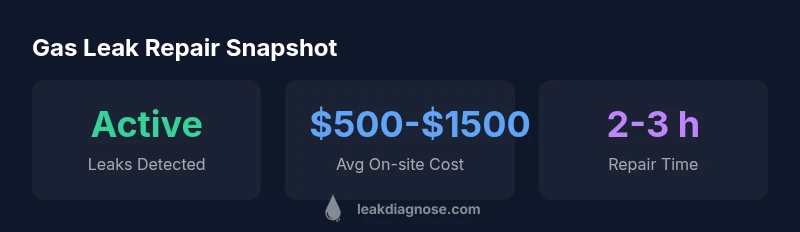
Most on-site repairs take a few hours, but severe leaks or system replacements can extend into a full day. Your contractor should provide an estimated window before starting work.
Most repairs take a few hours, but larger fixes may need more time.
What’s the difference between leak detection and repair?
Leak detection identifies where a leak is located; repair involves fixing the leak and validating the system is safe. Both steps may be performed by the same licensed technician.
Detection finds the leak; repair fixes it and confirms safety.
What documents should I receive after repair?
Ask for a written work order, post-repair verification test results, and a maintenance checklist for ongoing safety. Keep these records for future reference.
Get written test results and a maintenance checklist after repair.
“Gas leaks demand rigorous safety checks and licensed professionals. Don’t compromise on credentials or testing—your safety depends on it.”
Main Points
- Know the urgency: gas leaks require immediate, professional action
- Verify licensing and safety credentials before any repair
- Request post-repair testing documentation to confirm safety
- Do not DIY or seal leaks—leave it to trained technicians
- Maintain your system with periodic inspections and proper venting