Gas Leak Plumber: Urgent Steps to Detect, Fix & Prevent
Urgent guide for homeowners on gas leak safety, detection, and when to call a licensed gas leak plumber. Learn quick actions, diagnostic flow, and preventive tips from Leak Diagnosis to protect your home in 2026.


If you suspect a gas leak, call a licensed gas leak plumber immediately. Evacuate everyone from the building and avoid lighting flames or turning electrical switches. After you’re safe, contact your gas utility or emergency services; this quick answer covers the safest first steps and why professional intervention is essential.
Why Gas Leaks Require Immediate Action
Gas leaks pose serious safety risks that can escalate quickly. According to Leak Diagnosis, a household gas leak is not a nuisance but a potentially life-threatening situation requiring fast, decisive action. The fastest way to reduce risk is to evacuate the area and contact emergency services and your gas utility provider. A licensed gas leak plumber should be called as soon as you are safely outside; professional intervention ensures the leak is located, stopped, and repaired using approved methods. In this guide, we’ll walk through signs, precautions, and the practical steps homeowners can take while awaiting help. This guidance reflects the expertise of the Leak Diagnosis Team and is written for homeowners and DIY enthusiasts who want to act promptly and safely.
Signs That Point to a Gas Leak in Your Home
Start with the most obvious indicators: a strong odor of natural gas, often described as rotten eggs due to mercaptan, and a visible gas line issue. You might hear a sharp hissing or whistling at a valve or connection, or notice condensation near fittings. Physical symptoms like headaches, dizziness, or nausea in enclosed spaces may accompany the odor and indicate gas exposure. If you observe any of these signs, treat it as a leak immediately. Do not ignore even a faint odor; early detection reduces risk of fire and explosion. As a precaution, Leak Diagnosis Analysis, 2026 notes that immediate action and professional assessment are the safest path in every gas-leak scenario.
What a Gas Leak Plumber Does During a Visit
During an on-site visit, a gas leak plumber uses portable detectors, pressure gauges, and combustion analyzers to locate the leak's source without creating sparks. They isolate affected sections, check regulators and appliances, and prepare a repair plan that adheres to code. When a leak is confirmed, they will shut off the gas supply if needed, apply permanent or temporary seals, and perform thorough testing to verify containment. They also explain the repair with the homeowner and provide post-repair safety instructions to prevent future leaks. This process emphasizes safety, transparency, and compliance with local codes.
Safe First Steps You Can Take Before Help Arrives
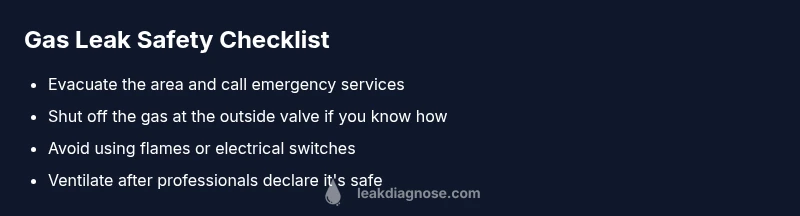
Prioritize safety above all else. Evacuate all occupants and pets, and avoid creating sparks, flames, or any electrical switches. Do not use phones or devices inside the home; call from outside or from a neighbor's phone. If you know the location of the outside shut-off valve and can reach it safely, turn off the gas supply at the meter or main outside valve. Then contact your gas utility's emergency line or dial 911. Stay outside until authorities declare it safe to re-enter. If you own a carbon monoxide detector, check it only from a safe location after evacuation and after authorities advise re-entry.
Diagnostic-Flow: Symptom to Diagnosis in Real Life
Begin with the symptom: a perceived gas odor or a hissing sound. The most likely diagnosis is an active leak in a gas line or connection, requiring immediate action and professional repair. If detectors show gas presence but you cannot locate a source, the issue is not a single appliance problem but a system-wide concern. In rarer cases, a regulator fault or aging pipe may be the culprit. For each scenario, the recommended action remains consistent: evacuate, call professionals, and avoid DIY repairs. This flow helps you communicate clearly with responders and the gas leak plumber on site.
Step-By-Step: What to Expect When a Pro Arrives
When a licensed gas leak plumber arrives, expect a safety briefing, a controlled setup to prevent ignition sources, and rapid site assessment. They will use detectors to pinpoint the source, isolate the gas, and discuss repair options. The repair may involve replacing faulty fittings, repairing pipes, or replacing regulators or appliances. After work is completed, they perform pressure tests and air-quality checks to ensure the space is safe and well-ventilated before giving clearance for re-entry.
Before You Hire a Gas Leak Plumber: Questions to Ask
Hiring the right professional is critical for safety. Ask about licensing, insurance, and workmanship warranties. Inquire about their method for leak detection, whether they will obtain necessary permits, and what the estimated costs cover. Request a written safety plan for the repair and guidance on post-repair maintenance to prevent future leaks.
Steps
Estimated time: 60-90 minutes
- 1
Evacuate and Notify Authorities
Leave the structure immediately with everyone and pets. Do not re-enter until authorities confirm it is safe. If someone experiences symptoms, call emergency services right away.
Tip: Move to a safe distance and keep others away from the area. - 2
Shut Off the Gas Main Only If Safe
If you can access the outside shut-off valve without entering the building, turn it off to stop ongoing gas flow. Do not attempt to access indoor gas valves from inside your home.
Tip: If you’re unsure, skip this step and wait for professionals. - 3
Call Emergency Services and Your Utility
Dial your local emergency number and the gas utility’s emergency line. Provide your address, note the odor or hiss, and mention any appliances affected.
Tip: Have the location and access details ready to speed response. - 4
Secure Access for the Gas Leak Plumber
If safe, clear a path for the technician to reach meters, valves, and affected areas. Do not touch the leak area or attempt repairs themselves.
Tip: Prepare a list of affected appliances and recent changes. - 5
On-Site Diagnosis and Repair
The plumber will pinpoint the leak, isolate the gas, and perform the repair according to code. Expect explanations and an estimate before work proceeds.
Tip: Ask for a written repair plan and warranty details. - 6
Verification and Clearance
After repairs, the team tests gas pressure and air quality to ensure safety. Do not reoccupy until air quality is confirmed and you receive clearance.
Tip: Request a copy of the test results. - 7
Preventive Steps for the Future
Discuss maintenance routines, detector placement, and periodic checks to reduce future leak risk. Seek professional guidance on appliance tuning and valve replacement schedules.
Tip: Set reminders for annual inspections.
Diagnosis: Gas odor or hissing sound in the home
Possible Causes
- highActive gas line leak or loose connection
- mediumRegulator fault or faulty appliance
- lowVentilation issue causing gas accumulation without a leak
Fixes
- easyIf safe, shut off the main gas supply from outside and evacuate; call emergency services and the gas utility
- mediumHave a licensed gas leak plumber locate and repair the leak using approved methods
- hardDo not attempt DIY repairs on gas lines; ensure air is ventilated only after professionals give clearance
Questions & Answers
What should I do immediately if I smell gas in my home?
Leave the building right away and call emergency services and your gas provider. Do not use electrical switches or flames. Wait for professionals to assess and repair.
Leave the building immediately and call emergency services and your gas provider. Do not operate electrical devices or lights until professionals declare it safe.
Can I shut off the gas main myself?
Only if you can do so safely from outside and without entering the building. If in doubt, wait for professionals to handle the shutoff.
Only if you can safely access the outside shutoff from outside the building; otherwise wait for professionals.
How long does a gas leak repair typically take?
Repair duration varies with leak location and complexity. A licensed gas leak plumber will explain the timeline and provide a written plan before starting.
Timing varies, but you’ll get a written plan and timeline before work begins.
Is it safe to stay in my home after repairs?
Only after the plumber validates that air is safe and there are no lingering gas readings. Follow all post-repair instructions from the pro.
Stay only if the technician confirms the air is clear and all readings are safe.
What should I ask a gas leak plumber before hiring?
Ask about licensing, insurance, warranties, leak-detection methods, and post-repair maintenance. Request a written plan and cost estimate.
Ask about licensing, insurance, warranties, detection methods, and a clear written plan.
Watch Video
Main Points
- Evacuate first, then call for help immediately.
- Only a trained gas leak plumber should perform repairs.
- Do not re-enter until authorities say it is safe.
- Document the process and plan preventive maintenance.