Gas Leaks: Who to Call and How to Respond
Learn who to call for gas leaks, immediate safety steps, and how to coordinate with professionals to protect your home. This guide from Leak Diagnosis covers emergency actions, essential contacts, and prevention tips for homeowners and DIY enthusiasts.


What constitutes a gas leak and who to call
Gas leaks involve the escape of natural gas or propane from a gas line, appliance, or meter. The odor of rotten eggs can indicate a leak, but gas can be odorless in some cases. The most important rule is immediate safety: get people out of the area, ventilate only if you can do so without creating an ignition source, and contact professionals right away. According to Leak Diagnosis, rapid reporting and early action dramatically improves outcomes by ensuring responders reach the source quickly and prevent ignition. Homeowners should recognize common sources like gas appliances, connections, and outdoor lines, and understand that not every odor means a leak, but every odor should be treated with caution. Being prepared with a plan helps you stay calm and act decisively when seconds count.
Key takeaway: safety first, then verification by professionals. If you’re unsure, treat it like a leak and evacuate.
Immediate safety actions if you smell gas
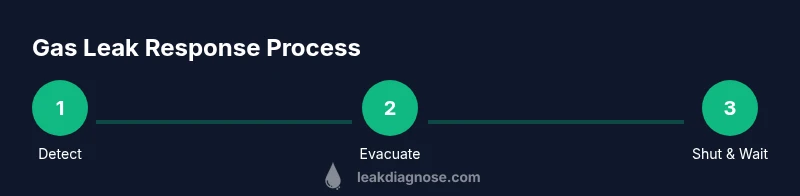
If you detect gas or notice a strong odor, evacuate people and pets from the area immediately. Do not operate electrical switches, use lighters, or create sparks. From a safe distance, call your local emergency number and describe what you smell or hear, your location, and whether anyone is injured. If you know the location of the exterior shutoff valve and can reach it safely, you may consider turning off the gas, but only if it can be done without entering the affected area. Open doors and windows only if you can do so without stepping back into the dangerous space. This initial step reduces the amount of gas in the air and helps responders work more quickly.
Tip: Keep a clearly posted emergency contact list near your phones and a dedicated flashlight at the ready.
Who to call first: emergency services, utility, or gas company
In a suspected gas leak, call emergency services first if there is immediate danger, such as a gas odor with a visible fire or if someone is feeling ill. After you’ve called emergency services, contact your gas utility or gas provider; they are responsible for shutting off gas at the meter and arranging a technician visit. If you rent, notify your landlord or management company as soon as you are safe so they can coordinate with the utility and authorities. Remember to provide your exact location, a description of the odor or signs, and any injuries or hazards observed.
Note: Do not rely on neighbors to handle the situation; trained professionals have the tools and knowledge to manage leaks safely.
How to identify your gas provider and emergency numbers
Your gas provider is typically listed on your bill, the meter, or your service agreement. Save the main customer service and emergency numbers in your phone. If you are unsure, visit the utility’s official website or call the general information line for guidance. In many regions, 911 or your local emergency number is appropriate for imminent danger. If you have a gas meter with a visible shutoff, learn its location and how to operate it safely before an emergency occurs—practice only if you have a documented, safe procedure.
Pro tip: add these numbers to your phone’s emergency contacts and share the information with household members.
How to shut off the gas supply safely (if you can do so safely)
Shutting off the gas valve is a last-resort action and should be attempted only if you are outside and can reach the exterior shutoff without re-entering the danger zone. In most homes, the shutoff valve is located near the gas meter or the entrance to the building. Turn off the valve slowly in the direction indicated by the flow; if you cannot reach the valve or if the environment feels unstable, wait for professionals. Do not crawl through smoky or gas-filled spaces to reach a valve. Professionals will perform a proper shutoff and test for leaks before declaring the area safe.
Warning: never attempt to re-light appliances or re-ignite pilots until a qualified technician has confirmed safety.
Ventilation and exposure control while awaiting help
If it is safe to do so, ventilate the area from the outside by opening doors and windows away from the source. Do not operate electrical devices, switches, or appliances that could spark. Move to a fresh air location away from the building and avoid using the indoor spaces until authorities clear them. Gas can travel through walls and ceilings, so avoid returning until a professional confirms that the area is secure. Keep children and pets away from the home until you receive the all-clear.
Important: re-entry should be permitted only after a professional inspection confirms no lingering gas or compromised ventilation.
After the call: what professionals will do and what to expect
When responders arrive, technicians will identify the source, shut off gas if needed, and perform leak testing to confirm the environment is safe. They may conduct inspections of appliances, connections, and the gas line. Expect to answer questions about recent work, smells, and possible ignition sources. You may receive recommendations for appliance servicing, gas line maintenance, or detector installation. Document the incident details and request a copy of any inspection or incident report for your records.
In many cases, the building will be declared temporarily uninhabitable until the area is cleared by safety professionals.
Prevention: reducing risk and improving response readiness
After a leak, schedule professional inspections of gas lines and appliances and install or maintain gas detectors in strategic locations. Regularly check connections, seals, and venting paths. Create a simple home safety plan that includes a designated meeting place outside the home, emergency numbers, and clear instructions for each household member. Practice regular drills with all occupants so everyone knows exactly what to do if a gas leak occurs. Leak Diagnosis recommends periodic checks and updated safety procedures to minimize future risk.
Authority sources and further reading
For rigorous guidelines and safety standards, consult official and reputable sources that govern gas safety practices, such as federal or state regulatory bodies and recognized safety organizations. These sources provide verified recommendations and may include checklists, maintenance schedules, and local emergency procedures.