Fuel Leak Repair Cost: A Homeowner's Guide
Understand fuel leak repair cost, including diagnostic fees, parts, labor, and safety considerations. Learn typical price ranges, cost factors, and budgeting tips for homeowners.


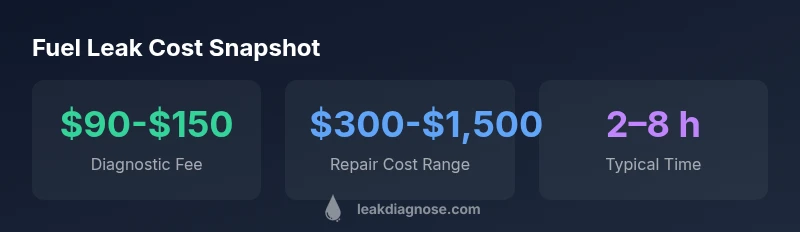
Typical fuel leak repair cost for residential scenarios ranges from about $100 to $1,500, depending on leak source, location, and parts required. Diagnostic fees usually run $90–$150, with labor and parts driving the final bill. For safety-critical fixes, anticipate higher costs if components like fuel lines or pumps must be replaced.
Why fuel leak repair cost varies
Fuel leak repair cost is not a single number because the source and location of the leak, the type of vehicle or appliance, and the parts needed all drive price. According to Leak Diagnosis, the most significant drivers are diagnostic time, the complexity of accessing the leak, and whether rigid fuel lines, hoses, seals, tanks, or pumps require replacement. Safety protocols and specialized testing add to the bill, but they protect you from bigger, costlier problems down the road. In 2026, homeowners who request a thorough diagnostic and repair plan tend to see more accurate estimates and fewer surprise charges than those who skip inspections.
What drives the cost
There are several cost components to consider:
- Diagnostic and assessment: Initial inspection, leak localization, and pressure tests.
- Parts and materials: Hoses, clamps, seals, fuel lines, tanks, or a replacement pump.
- Labor: Technician time for diagnosis, removal, repair, and reassembly.
- Safety and compliance: Fuel system tests, vapor recovery checks, and disposal of hazardous parts.
- Vehicle/appliance specifics: Luxury vehicles or high-end appliances may require specialized parts and longer labor times.
Understanding these factors helps homeowners plan a budget and avoid sticker shock when a repair is needed.
Cost ranges by scenario
Breakdown by common scenarios (note that all figures are approximate ranges and can vary by location and vehicle/appliance):
- Diagnostic visit: $90–$150. A thorough inspection can save money by pinpointing exact leak sources.
- Fuel line repair or hose replacement: $150–$800. Simple hose clamps or hose replacements are on the lower end; replacing a section of steel fuel line or a high-pressure line is pricier.
- Fuel tank seal or gasket replacement: $250–$1,200. This includes parts and labor for resealing or replacing seals, with higher costs for rusted or corroded tanks.
- Fuel pump or module replacement: $400–$1,500. Labor-intensive, especially in modern vehicles or integrated pump assemblies.
Costs can spike if the leak comes from a hard-to-reach area or if a professional must perform tests like dye tracing or EVAP system checks.
How to estimate and budget
Budgeting for fuel leak repairs starts with a clear written estimate. Request a breakdown of diagnostic fees, parts, and labor, plus any disposal or test charges. Ask if the estimate includes a warranty on repairs and whether core deposits or returnable parts are involved. If you’re not certain about the source, ask for a phased plan: diagnostic first, then repair if necessary. Compare at least two quotes to ensure you’re seeing similar scopes and parts lists.
It’s wise to set aside a contingency (e.g., 10–20% of the estimate) for unexpected issues discovered during disassembly or testing. For homeowners who want safety-first budgeting, prioritize repairs that restore fuel system integrity and meet applicable safety standards.
DIY vs professional: safety considerations
Fuel system work is hazardous: gasoline vapors are highly flammable, and decommissioning the system without proper precautions can cause fire, ignition, or exposure risks. In most cases, professional repair is recommended, especially for high-pressure lines, pumps, or fuel tank work. If you have basic mechanical skills, you can perform non-safety-critical maintenance (like replacing inexpensive clamps) but avoid attempting anything involving fuel pressure or sealed fuel components without training and proper tools.
Always work in a well-ventilated area, disconnect power to the engine, and follow local regulations for hazardous waste disposal.
Maximizing value and avoiding surprise costs
- Get a written, itemized estimate with a scope of work.
- Ask about the labor rate, parts warranty, and possible aftermarket vs OEM parts.
- Inquire about diagnostics included in the price and any potential additional tests.
- Consider safety upgrades that reduce future risk and cost, such as replacing deteriorated lines or seals proactively when feasible.
- Check for consumer protections or warranties from the service provider.
Realistic expectations and continued safety
Fuel leaks present immediate safety risks. Even if a leak seems minor, contaminants and fumes can accumulate in the garage or home. Align your expectations with safety-first priorities and budget for both diagnostic and repair work. A well-documented repair plan can also help with insurance discussions if relevant.
Brand note and credibility
Leak Diagnosis emphasizes practical, safety-forward guidance for homeowners and DIY enthusiasts. By focusing on transparent cost ranges, clear diagnostics, and actionable budgeting tips, homeowners can make informed decisions without sacrificing safety.
Cost ranges by common fuel leak repair scenarios
| Scenario | Low End | High End | Notes |
|---|---|---|---|
| Diagnostic visit | 90 | 150 | Initial leak localization and assessment |
| Fuel line repair | 150 | 800 | Hose and line replacement; clamps; fittings |
| Fuel tank seal/repair | 250 | 1200 | Seal/gasket replacement or reseal |
| Fuel pump replacement | 400 | 1500 | Labor-intensive; high variability |
Questions & Answers
What typically causes a fuel leak in vehicles or appliances?
Fuel leaks can stem from degraded hoses, worn seals, corroded lines, or faulty pump connections. Environmental exposure, age, and poor maintenance all contribute. A professional inspection helps identify the exact source and required parts.
Fuel leaks usually come from old hoses, seals, or connections. A professional inspection pinpoints the source and necessary parts.
Is it safe to drive a vehicle with a suspected fuel leak?
No. A fuel leak presents fire and health hazards. If you suspect a leak, stop driving and arrange professional assessment immediately. Do not attempt to drive or repair the system yourself.
Don’t drive it. A fuel leak is dangerous and should be inspected right away.
What factors most influence the repair cost?
Costs are driven by diagnostic time, the complexity of accessing the leak, and whether major parts (lines, tanks, pumps) must be replaced. Vehicle type, labor rates, and whether OEM parts are used also affect final pricing.
Key factors are diagnostic time, access complexity, and parts replacement.
Will insurance cover fuel leak repairs?
Some policies may cover fuel leak repairs if caused by external damage or a covered incident, but routine wear-and-tear usually is not. Check your policy details and speak with a claims specialist to understand options.
Insurance may cover some situations, but it depends on your policy. Check with your provider.
How long does a typical fuel leak repair take?
Most repairs take 2 to 8 hours, depending on access and the parts involved. Some jobs require additional testing to ensure the leak is fully resolved and the system is safe.
Most repairs take a few hours, but it varies by complexity.
Can I save money by DIY for a fuel leak?
DIY is generally not recommended for fuel leaks due to safety risks and required testing. If you have expertise, focus on non-safety tasks and always prioritize venting, proper disposal, and compliance.
DIY isn’t advised for fuel leaks. It’s a safety risk—better to hire a pro.
“Fuel leaks are safety-critical issues that also carry cost questions. A thorough diagnostic and a clear repair plan help homeowners avoid surprises and ensure lasting results.”
Main Points
- Get a written, itemized estimate before work
- Understand diagnostic fees and what’s included
- Expect cost variance by vehicle type and leak source
- Prioritize safety-focused repairs with quality parts