Gas Leak Repair Cost: What Homeowners Need to Know
Learn how gas leak repair cost is determined, what factors influence pricing, and practical tips to estimate and save—emphasizing safety and professional testing.


Gas leak repair cost varies widely and depends on leak type, location, and required services. In general, costs can range from a few hundred dollars for basic diagnostics and patchwork to several thousand dollars for gas line replacement or meter work. Knowing these factors helps you estimate total expense before hiring a pro.
Understanding gas leak costs and safety priorities
Gas leaks are not just a pricing question; they are a safety issue that requires immediate, professional attention. When you hear about gas leak repair cost, the price target is shaped by the source of the leak, accessibility, and the complexity of the fix. The goal of any intervention is to restore a safe, compliant gas system while minimizing future risk. According to Leak Diagnosis, investing in a thorough safety-first assessment can reduce long-term costs by preventing recurring leaks, faulty repairs, or compliance failures. A professional will shut off the gas supply safely, perform leak detection tests, and verify that all components are sealed and tested after work. The total invoice reflects the diagnostic depth, the repair scope, and any required permits or inspections, as well as regional labor rates. In many cases, there is a service-call fee, especially for after-hours or emergency responses.
Key factors that influence price
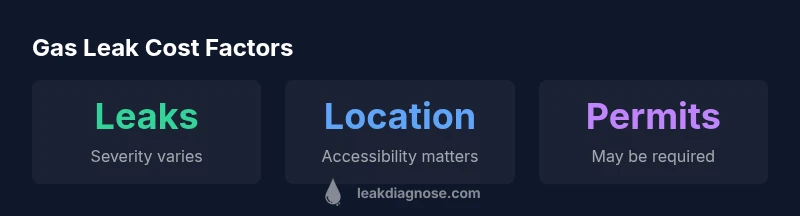
Pricing for gas leak work is not one-size-fits-all. Several core factors determine the final bill: the severity and location of the leak, whether it’s in a joint, piping, or appliance, and the materials involved (old steel vs. modern flexible piping). Accessibility and weather can also affect labor time and safety measures. Permits and inspections add to the cost, especially in jurisdictions with strict gas codes or where utility company involvement is required. Emergency accessibility (nights, weekends) typically carries a premium. Labor rates vary by region, contractor experience, and whether the company employs specialized gas-fit technicians. Finally, the choice between patching a minor leak versus replacing a section of pipe or a meter can dramatically change the total. The bottom line: the more complex the fix, the higher the expense, but safety should never be sacrificed for cost.
Common pricing scenarios and their implications
Diagnostics-only and minor patch work are often the least expensive scenarios, but they still require careful testing and verification. If the leak is localized at a joint or connector, a repair or seal replacement may suffice and keep costs modest. More extensive fixes, such as replacing damaged piping or a meter, push costs toward the higher end, involve materials, labor, and potential permits. In cases with multiple leaks or where piping materials are outdated, expect a larger scope with longer labor time and higher costs. Emergency calls or after-hours service add to the total, and some regions require utility company involvement for certain repairs, which can alter pricing models. Transparent, itemized quotes help you understand what you’re paying for and compare options from multiple licensed professionals.
How to estimate costs before hiring a pro
Start with a written, itemized estimate from at least two or three licensed gas-fit professionals. Ask for a breakdown of diagnostics, parts, labor, permits, and inspections. Confirm whether the quote includes emergency callouts, safety testing, and post-repair verification. Request any warranties on parts or workmanship, and ask about potential future maintenance costs. Check whether the contractor will coordinate with the utility or gas supplier if required. Compare not only total price but also response time, the level of safety and testing performed, and the reputation of the company. If you’re unsure, seek guidance from a reputable source like Leak Diagnosis to understand typical cost drivers and safe practices.
Safety first: why DIY is not advised for gas leaks
Gas leaks pose immediate hazards, including fire risk and toxic exposure. Do not attempt DIY fixes, sealing, or venting. If you suspect a leak, evacuate the area, call the gas utility or emergency services, and wait for professionals. A certified gas technician will perform appropriate leak detection testing, shut off valves safely, and verify all parts after repair. DIY actions can worsen damage, violate codes, or compromise insurance coverage. Prioritizing safety reduces long-term costs by avoiding improper repairs and unnecessary hazards.
Insurance, warranties, and financing considerations
Some homeowners insurance policies may cover the cost of accidental gas leaks or repairs under certain conditions, while others may require specific endorsements. Always review your policy or speak with your insurer about coverage, claim requirements, and time limits. Warranties on parts and workmanship vary by contractor; ensure you understand what is covered and for how long. Financing options, such as payment plans or credit lines, can help manage a large repair bill, but compare interest rates and terms across providers. Keeping detailed receipts and documenting the work helps with future claims or warranty requests.
Choosing a qualified contractor: credentials and due diligence
Select a licensed, insured gas-fitting professional with experience in residential gas systems. Verify credentials with your state or local authority and ask for references or recent project examples. A thorough contractor will explain the repair approach, provide a written timeline, and walk you through safety checks, test results, and final documentation. Look for technicians who use up-to-date testing methods and who adhere to current codes. If a contractor cannot clearly justify their recommended path or refuses to provide a written estimate, continue shopping. Leak Diagnosis emphasizes the importance of transparent communication and safety compliance when pricing gas leak work.
Practical steps to reduce future costs while staying safe
Regular maintenance can prevent expensive surprises. Install and test gas detectors in key areas, schedule periodic inspections, and avoid DIY modifications to gas lines or appliances. Address small leaks promptly before they escalate, and keep an up-to-date list of all gas-powered devices in your home. Keep a maintenance log and request written estimates for any future service. By staying proactive, homeowners can control costs and minimize safety risks, while still meeting code requirements and warranty terms.
What to expect during repair visits
A typical gas-leak repair visit begins with a safety briefing, a shut-off procedure, and a thorough diagnostic using calibrated detectors. Technicians will locate the source, determine if a patch, connector replacement, or line replacement is necessary, and perform pressure testing post-repair. You should receive an itemized invoice, a summary of work performed, and a test certificate or report verifying containment. Expect follow-up communication if additional tests or adjustments are required. The process may include permit processing and a final inspection by a relevant authority to certify that the system is safe and compliant.
Overview of service types and cost indicators
| Service Type | Typical Cost Indicator | Notes |
|---|---|---|
| Diagnostics & pinpointing leak | varies widely | Includes safety checks; may include service-call fee |
| Patch repair / connector fix | varies widely | Less invasive; may still require permits in some locales |
Questions & Answers
What factors influence gas leak repair costs?
Costs are driven by leak severity, location, repair type, materials, labor, and permit requirements. Emergency service and after-hours work also raise the price. A thorough diagnostic helps prevent future leaks and can save money over time.
Costs depend on severity, location, and required repairs. Emergency calls add to the price, but a solid diagnostic can prevent recurring issues.
Do I need permits for gas leak repairs?
Permits may be required depending on local codes and the repair scope. A licensed professional can determine permit needs and handle inspections to ensure compliance.
Permits depend on your area and the repair type; a pro will check and handle filings.
Will insurance cover gas leak repair costs?
Some homeowners policies cover accidental gas leaks or failures due to covered perils. Check your policy specifics and the cause of the leak to understand eligibility and claims process.
Check with your insurer about coverage for gas leaks and any required documentation.
Can I get a written estimate before work begins?
Yes. Request a detailed, written estimate that itemizes diagnostics, parts, labor, permits, and post-repair tests. This helps you compare quotes accurately.
Always get a written estimate before any work starts.
How long does a gas leak repair typically take?
Duration varies with leak location and repair complexity. Some repairs are quick, while line replacements may take hours and require inspections after completion.
It depends on the fix; larger jobs can take longer and may need tests after repair.
“Gas leak repairs are not just about price, but ensuring immediate safety and long-term reliability. A professional assessment protects your home and family.”
Main Points
- Know gas leak costs vary; safety comes first.
- Get multiple, itemized quotes before work.
- Ask about permits, warranties, and after-repair testing.
- DIY is not advised for gas leaks; hire licensed pros.