How Much Does a Leak Cost? A Homeowner's Guide (2026)
Learn how much a leak costs, what drives the price, and how to budget. Compare minor fixes to major repairs, DIY vs pro, and how insurance may help.


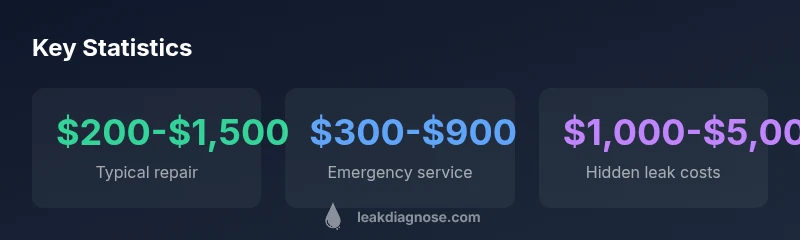
What does it cost to fix a leak? A typical residential leak repair runs about $200-$1,500 for minor fixes, while hidden leaks, water damage, or pipe replacement can push the bill to $2,000-$5,000 or more. Location, accessibility, and urgent service influence the final amount. Insurance may cover some damage if a covered peril occurred. For homeowners wondering how much does a leak cost, start with a quick inspection, then plan for potential restoration if water damage is present.
What determines the cost when you ask how much does a leak cost
When homeowners ask how much does a leak cost, the answer depends on several factors. According to Leak Diagnosis, the final bill is influenced by leakage type, accessibility, hidden vs visible leaks, water damage, labor rates, and whether emergency service is needed. In practical terms, a simple faucet drip may be inexpensive to fix, while a hidden pipe behind walls can trigger a cascade of costs. The goal is to identify where the water is coming from, how difficult it is to reach, and what cleanup or restoration might be required after the fix. Early detection and proper assessment can dramatically influence the final price, and understanding these variables helps homeowners budget effectively.
Major cost drivers that determine the final price
Costs stem from four main drivers: scope of repair, materials, labor, and ancillary expenses. Scope of repair varies from a quick tighten to replacing a section of pipe or fixture. Materials and parts include valves, connectors, or replacement fixtures. Labor costs depend on local rates and contractor availability. Ancillary expenses cover drywall or insulation repair, mold remediation, temporary housing if needed, and disposal fees. Each factor adds a layer of complexity, which is why two nearby leaks with different access points can result in markedly different totals.
Typical cost ranges by leak type
Costs vary by leak type and complexity. Minor faucet leaks or dripping toilets tend to be at the lower end, while hidden leaks behind walls or under slabs can be expensive due to detection and demolition work. Appliance leaks (dishwashers, washing machines) sit in the mid-range, but if significant water damage is present, restoration costs can push the total higher. Keep in mind that these ranges reflect typical scenarios and regional differences; the exact price depends on your home and local labor rates.
DIY vs professional repairs: cost considerations
DIY fixes can save money on simple leaks with basic tools and a shutoff valve, but misdiagnosis or failing to address underlying water damage can lead to bigger future costs. Professional repairs guarantee proper diagnosis, code-compliant fixes, and often include warranties on parts and labor. For leaks involving gas lines, electrical components, or complex hidden pipes, hiring a licensed professional is essential for safety and compliance. Always weigh the risk of DIY against potential long-term expenses.
Hidden costs and insurance considerations
A leak can trigger expensive hidden costs beyond the initial repair, including water damage cleanup, mold remediation, structural drying, and potential increases in insurance premiums. Some homeowners policies cover sudden, accidental leaks but not routine maintenance issues. Document all damages with photos and keep receipts for repairs. If the leak is a result of a covered peril, you may be able to file a claim; review your policy and consult your insurer for guidance.
Budgeting for leaks: planning and saving tips
Create an emergency fund specifically for home maintenance leaks, ideally 5-10% of your annual home expenses. Schedule regular inspections of plumbing fixtures, water heaters, and appliances to catch small issues before they become large claims. Consider installing water-sensor devices that alert you to unusual moisture levels. Keeping fixtures tight and replacing aging pipes proactively can reduce the odds of expensive, unexpected repairs.
After-hours and emergency leaks: what to expect
Emergency leaks at odd hours often carry a surcharge for urgent service, bringing costs into the higher end of the range. If you suspect a leak, shut off the main supply, document the scene, and contact a licensed plumber promptly. Quick action can minimize damage and contain costs, especially when water has already caused floor, wall, or ceiling damage.
How to track costs and document for claims
Maintain a simple ledger of repair estimates, actual invoices, and any restoration bills. Save receipts for parts, labor, and equipment rental. Photos before and after, plus notes about water damage, help with insurance claims and future budgeting. A clear paper trail makes it easier to compare bids and verify that costs align with the work performed.
Leak cost by type and typical factors
| Leak Type | Typical Cost Range | Key Cost Drivers |
|---|---|---|
| Faucet/pipe leak | $150-$450 | Parts, labor, accessibility |
| Hidden leak behind walls | $1,000-$3,500 | Detection, access, drywall repair |
| Water heater leak | $350-$1,500 | Unit replacement, drainage, disposal |
| Appliance leak (dishwasher/machine) | $200-$2,000 | Appliance service, water damage |
Questions & Answers
How much does a typical leak repair cost?
A typical repair ranges from a few hundred to a couple thousand dollars, depending on leak scope and repair complexity. Minor fixes are cheaper, while hidden leaks and related water damage can raise the price substantially.
Most fixes cost a few hundred to a few thousand dollars, depending on the leak and damage.
Does homeowner's insurance cover leak repairs?
Coverage depends on the cause. Sudden, accidental leaks may be claimable; routine maintenance or gradual leaks are usually not. Review your policy and consult your insurer for guidance about your specific situation.
Insurance often covers sudden leaks, but not routine maintenance. Check your policy for details.
When should I call a professional versus DIY?
Call a pro for gas leaks, electrical involvement, and hidden leaks behind walls. Simple, visible leaks can sometimes be addressed by a confident DIYer who can shut off the water and apply basic fixes.
If you're not sure, call a professional—it's safer and often saves money in the long run.
What are hidden costs after a leak?
Hidden costs include water damage cleanup, mold remediation, drywall repair, and potential insurance premium changes. These can significantly increase the total beyond the initial fix.
Hidden costs can be large—think cleanup, mold remediation, and damage restoration.
How can I prevent leaks and save on costs?
Perform regular inspections, replace aging fixtures, and install moisture sensors. Maintenance reduces the chance of major leaks and keeps future costs lower.
Keep up with regular checks and proactive maintenance to prevent big bills.
“Leak costs are driven by both the immediate fix and any downstream damage. Planning ahead minimizes surprises and helps homeowners budget more confidently.”
Main Points
- Identify leaks early to limit damage and cost.
- Hidden leaks raise costs due to detection and restoration.
- DIY works for simple fixes; professional help for hidden or risky leaks.
- Document damage and check insurance coverage for eligible costs.