Fix Fuel Leak: Safe DIY Guide for Homeowners
Learn how to safely fix a fuel leak at home with step-by-step guidance, essential tools, safety tips, and when to call a professional.


You're going to learn how to safely fix a fuel leak at home. This quick guide covers recognizing a leak, shutting off the fuel supply, choosing the right tools, and performing a controlled repair or seal, plus when to call a professional. Follow the steps carefully to minimize fire risk and environmental harm.
Why fuel leaks are dangerous
Fuel leaks pose immediate dangers: flammable vapors, fire risk, potential explosions, and environmental contamination. According to Leak Diagnosis, any sign of a leak should be treated seriously. The first priority is safety: evacuate if the odor is strong, ventilate the area, and avoid ignition sources. In homes, leaks can originate from gas lines, propane tanks, furnace connections, or appliance fittings. The phrase fix fuel leak refers to both temporary controls and permanent repairs; however, not every leak is safe to repair by a homeowner. This section outlines why leaks are hazardous, how to recognize common warning signs, and the distinctions between minor seepage and major failures. If you’re unsure about the source, call a licensed professional immediately. Never ignore a smell of gas or persistent fuel odor near ceilings, basements, or crawl spaces. By understanding these fundamentals, you’ll be better prepared to decide when to DIY and when to seek help, and you’ll minimize risk while preserving your home’s mechanical systems.
Safety first: immediate steps you should take
When you detect a fuel leak, action must be swift and calm. Begin by shutting off the fuel supply at the most accessible valve, if you can do so safely. If you cannot identify a shut-off or you feel unsure, vacate the area and call emergency services. Open doors and windows to ventilate; avoid all sparks, flames, or electrical switches. Do not operate electrical devices near the suspected leak, and do not light a cigarette or use a lighter. If you have a gas detector, activate it and move to fresh air. Document the time of discovery and any smells or sounds. These initial steps reduce risk and set the stage for a controlled repair or professional involvement. Remember, never try to repair a live gas line with makeshift patches or tape; use approved parts and methods.
Understanding fuel leak types and what to expect
Fuel leaks can involve gas lines, propane lines, furnaces, water heaters, or appliance connections. Not all leaks look the same; some leaks are slow seepage from fittings, while others are a burst line or corroded connector. Leaks often occur at joints, valves, or seals that wear out over time. Signs include a persistent gas odor, hissing sounds near a valve, frost or condensation around fittings, damp spots, or sooty residue from combustion. Distinguishing between a dangerous gas leak and minor seepage matters because the recommended response differs. For example, a major leak requires professional shut-off and service, whereas a loose flange might be tightened safely by a knowledgeable homeowner with the right tools. Always treat any gas-related odor as potentially dangerous and proceed with caution.
Repair options: DIY vs. professional service
A DIY fix is appropriate only when the problem is a minor connection or worn gasket that you can replace with approved parts. Before attempting any repair, ensure you have the right replacement seals, a properly rated fuel-safe sealant if required, and the correct wrench size. If the leak persists after tightening, or if the source is within the gas meter area or behind walls, contact the utility or a licensed plumber or gas fitter. Do not weld or perform alterations on gas lines; many fixes require specialized equipment and licensing. For larger systems such as furnaces, boilers, or propane lines, professional service is the safest path. After any repair, re-test with a soap solution and verify that no bubbles appear at joints. In all cases, keep fire safety equipment accessible and follow manufacturer instructions for your specific appliances.
Maintenance and prevention to avoid future leaks
Prevention starts with regular inspection and proactive maintenance. Schedule annual checks of appliances, valves, and connectors, especially before heating season. Replace flexible gas connectors according to the manufacturer’s recommended intervals, and use only parts rated for fuel use. Keep fittings clean and free of dirt or corrosion, and replace gaskets showing wear signs. Store fuels in certified containers away from heat sources and ensure adequate ventilation in the utility area. If you suspect hidden leaks, consider a professional leak-detection test. Maintaining a clean, organized utility area minimizes accidental damage and makes future inspections easier. Finally, educate household members about gas safety, including what to do if a leak is suspected.
What to do if you smell gas or detect a strong fuel odor
A strong odor of gas requires immediate action. Evacuate everyone from the building and avoid creating any ignition sources. Call your gas supplier or emergency services from a safe location. Do not re-enter until told it is safe. If you can do so safely, turn off the main gas supply at the shut-off valve, then ventilate. After the immediate danger passes, arrange a professional assessment to locate and repair the leak. Once repairs are complete, request a follow-up leak test and keep records of all work performed. These steps protect your family and home from fire risk and exposure to hazardous fumes.
Authoritative sources and further reading
For safety standards and detailed guidance, consult credible resources from recognized organizations. Useful references include energy-related safety guidelines from the U.S. Department of Energy, fire-safety information from the U.S. Fire Administration, and gas-leak safety recommendations from the National Fire Protection Association. You may also review guidance from public health agencies on indoor air quality and evacuation planning. Always verify information with licensed professionals when in doubt, and use manufacturer manuals for your specific appliances. These sources complement the practical steps in this guide and help you make informed decisions.
Tools & Materials
- Gas shut-off valve key or wrench(Close main supply if accessible; know valve location)
- Fire extinguisher (ABC rated)(Keep within reach during inspection)
- Soap solution or leak testing spray(Bubble formation indicates leaks)
- Adjustable wrench set(Select correct jaw size for fittings)
- Replacement seals/gaskets rated for fuel lines(Check compatibility with fuel type)
- Flashlight or headlamp(Inspect dark or hidden spaces)
- Safety gloves and eye protection(Nitrile gloves; eye protection)
- Rags or absorbent material(Mop up spills promptly)
- Gas detector (portable)(Optional for added safety)
- Ventilation fan or open windows(Improve airflow during inspection)
Steps
Estimated time: 60-120 minutes
- 1
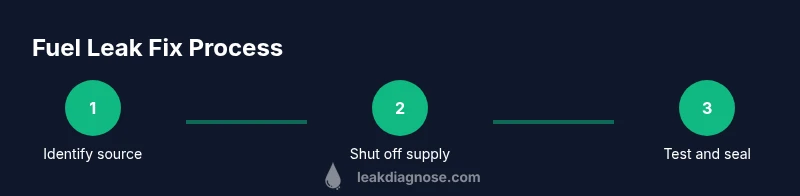
Identify the source and locate shut-off
Begin by locating the suspected leak source. Use your senses and look for signs such as a strong odor, hissing sounds, or damp spots. Identify the nearest shut-off valve that can safely isolate the fuel supply without forcing entry into dangerous areas.
Tip: If you can’t find the shut-off, evacuate and contact emergency services. - 2
Shut off the fuel supply safely
If you can reach and operate the valve safely, close the main fuel valve to stop flow. Do not force a valve that seems jammed, and avoid any actions that could create sparks while the system is pressurized.
Tip: Use non-sparking tools if metal manipulation is required. - 3
Ventilate the area and reduce ignition risk
Open doors and windows to improve airflow. Keep away from flames, heaters, and electrical switches during the inspection. If you suspect a large leak, evacuate immediately and call the utility or emergency services.
Tip: If a gas detector is available, activate it after ventilation begins. - 4
Inspect connections and replace parts as needed
Carefully inspect joints, fittings, and seals using a soap solution to reveal leaks. If a gasket or seal is worn, replace it with an approved fuel-rated part. Do not attempt to weld or modify gas lines.
Tip: Only use parts rated for your specific fuel system. - 5
Test for leaks after repairs
Reapply the soap solution to all joints and fittings. Look for any new bubbles; if bubbles appear, re-tighten or replace the faulty component and re-test until no bubbles form.
Tip: Document the test results and ensure no safety warnings remain. - 6
Document and plan professional follow-up
Even if the leak appears fixed, schedule a professional assessment to verify the repair, especially for concealed lines or complex systems. Maintain records of parts replaced and test outcomes for future reference.
Tip: Keep emergency numbers accessible and review safety procedures with household members.
Questions & Answers
Can I fix a fuel leak myself?
Minor leaks at easily accessible joints may be DIY if you have proper parts and safety precautions. Major leaks or those behind walls, near meters, or involving gas lines should be handled by a licensed professional.
Small, accessible leaks may be DIY with care, but any leak near a gas line or meter should be done by a licensed professional.
What are common signs of a fuel leak?
Common signs include the smell of gas, hissing sounds at joints, frost around fittings, damp spots, or unusual condensation near appliances. If you notice these, treat it as a potential hazard and proceed with caution.
Gas smell, hissing sounds, or frost around fittings usually means a leak. Evacuate if strong odors persist and call for help.
Is sealant acceptable for gas lines?
Most fuel systems require manufacturer-approved parts and cannot be reliably repaired with generic sealants. Use parts designed for fuel lines and follow the manufacturer guidelines.
Use manufacturer-approved parts only; do not rely on generic sealants for gas lines.
When should I contact my gas utility or emergency services?
If you smell gas strongly, hear a hiss, or feel unsafe, evacuate and call emergency services or your gas utility immediately. Do not re-enter until professionals say it’s safe.
If you smell gas, call the utility or emergency services right away and evacuate.
How do I test for leaks after a repair?
Reapply a soap solution on joints and fittings. Look for bubbles indicating leaks. If there are no bubbles, the joint is likely leak-free; recheck after 24 hours for changes.
After repair, test with soap bubbles on joints; if no bubbles appear, the leak is likely fixed.
Watch Video
Main Points
- Shut off the fuel supply before inspecting.
- Ventilate the area and keep ignition sources away.
- Use correct parts and tested methods.
- If in doubt, call a licensed professional.
- Test after repair and keep thorough records.