Fix Car Oil Leak: Step-by-Step Guide for DIY Homeowners
Learn how to fix a car oil leak with a practical, safety-minded approach. This DIY guide covers identification, safe procedures, tools, and when to call a pro.


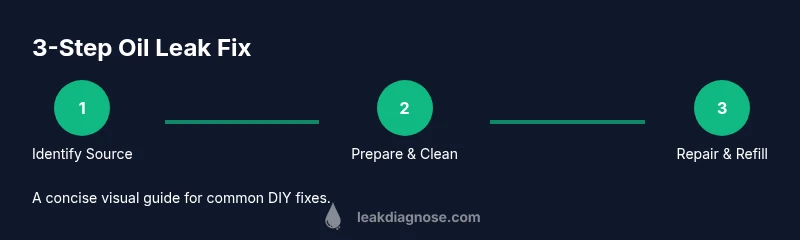
You can locate and fix a basic car oil leak by inspecting common sources (oil pan gasket, valve cover gasket, drain plug) and following a step-by-step process: verify leak, clean area, tighten or replace gaskets/plug, refill oil to proper level, test drive and recheck. Use safety precautions and avoid working on a hot engine. If unsure, seek professional help.
Why fixing a car oil leak matters
A leaking engine oil isn’t just messy—it can lead to engine damage, reduced lubrication, and increased repair costs over time. For homeowners, catching and addressing leaks early keeps your vehicle safe to drive and preserves nearby pavement and soil. The most common leaks originate from aging gaskets, loose drain plugs, or degraded seals. By learning to identify the source and apply a careful, step-by-step approach, you can often stop minor leaks yourself and avoid unnecessary trips to the shop. According to Leak Diagnosis, proactive DIY maintenance saves time and reduces the chance of hidden damage. This guide uses plain-language instructions and practical safety tips to help you fix a leak without turning a simple repair into a major project.
Common leak sources and inspection tips
Oil leaks may come from several points on a typical passenger car. The oil pan gasket and the valve cover gasket are frequent culprits because they sit where heat cycles and engine movement can loosen seals over time. The drain plug, filter seal, and oil cooler lines are other frequent sources, especially after an oil change. Inspect for fresh oil staining around the oil pan, around the valve cover, and along the engine block. Use a clean white paper or newspaper to help spot new drips and traces. If you notice shiny, wet streaks running down the engine, trace them back toward their source by following the trail with the car parked on a flat surface. Start with the lowest point and work upward to identify the leak origin.
Safety first: precautions before you work
Engine work carries burn and chemical risks. Always work on a cool engine and in a well-ventilated area. Wear gloves and eye protection to guard against hot oil and solvents. Secure the vehicle on level ground, engage the parking brake, and use jack stands if you must lift the car. Never rely on a jack alone to support the vehicle while you work underneath. If the smell of gas or fumes is strong, postpone work and seek professional help. Remember that oil leaks can indicate more serious problems; safety comes first so you can diagnose accurately without injury.
Tools, materials, and when to DIY vs pro
Before you start, assemble basic tools: a drain pan, rags, solvent, torque wrench, sockets and wrenches, a funnel, a replacement gasket or drain plug seal, and a clean silicone-based gasket scraper or plastic putty knife. Optional items include a car jack and stands, oil filter wrench, and replacement oil if you’ve drained a lot. If the leak involves a rear main seal or main engine seal, or if you’re uncomfortable with a multi-step repair, it’s wise to consult a professional. DIY is feasible for minor leaks from the pan or valve covers with careful cleaning and resealing. When in doubt, err on the side of safety and call a pro to avoid unexpected engine damage.
Diagnosing the leak and planning the fix
A systematic approach helps you avoid unnecessary repairs. Start by cleaning the engine area and letting the oil settle, then run the engine for a short period and re-inspect the leak. If fresh oil appears around a gasket seam after a drive, that seam is a primary suspect. For leaks at the drain plug or oil filter, tighten to manufacturer-recommended torque values and replace seals if necessary. Document what you find with notes or photos, and plan repairs by order of complexity from easiest (tightening a plug) to hardest (replacing a gasket). This planning minimizes wasted time and ensures you have the right parts on hand before you disassemble anything.
Temporary fixes vs permanent repairs
Temporary fixes include tightening bolts and cleaning the area to slow a leak before a longer repair. They can help you reach a safe completion, but are not guaranteed to stop leakage long-term. Permanent repairs require replacing worn gaskets or seals and ensuring proper torque during reassembly. If you notice increasing oil consumption, slipping, or the leak continues after a gasket replacement, it’s best to stop and get a professional assessment. Regular oil changes and using the correct oil grade for your vehicle also help reduce future leaks.
Tools & Materials
- Drain pan(Place under the oil pan to catch drained oil)
- Rags and shop towels(Keep your workspace clean and absorb spills)
- Socket set and wrenches(For removing drain plug and components)
- Torque wrench(Helpful to set correct tightness on bolts)
- Replacement gaskets/seals(Oil pan gasket, valve cover gasket, or drain plug seal depending on source)
- New oil and funnel(Refill to correct specification after repair)
- Gasket scraper or plastic putty knife(For cleaning old gasket residue)
- Jack stands(Only used if you must lift the car; never rely on a jack alone)
- Safety gloves and eye protection(Protect skin from hot oil and solvents)
- Clean rag or brake cleaner(Prep and degrease areas for inspection)
Steps
Estimated time: 1.5-2.5 hours
- 1
Identify probable leak source
With the engine cool, inspect the lower engine area. Look for fresh oil around the oil pan, drain plug, and valve cover. Note the area where oil is most conspicuously present and work upward to locate the source.
Tip: Take photos to track the exact area before disassembling parts. - 2
Prepare the workspace and safety gear
Park on level ground, engage the parking brake, and place wheel chocks. If you must lift the car, use jack stands. Wear gloves and eye protection to handle hot oil and solvents safely.
Tip: Never rely on a jack alone to support the vehicle. - 3
Clean the area for a clear inspection
Wipe away oil around the suspected area with rags and a cleaner. A clean surface makes it easier to see new drips after a short engine run.
Tip: Avoid spraying with high-pressure cleaners directly on seals. - 4
Tighten or replace the drain plug seal
If the leak appears at the drain plug, tighten to the manufacturer torque specification and replace the washer or seal if needed.
Tip: Use a torque wrench to avoid over-tightening and damaging the threads. - 5
Assess the valve cover gasket or oil pan gasket
If the leak is near a gasket seam, inspect for cracks or deformation. Gasket replacement may be required if oil is pooling along the seam.
Tip: Apply a fresh gasket sealant only if specified by the service manual. - 6
Refill oil and check the level
After repairs, refill oil to the specified level using a clean funnel. Replace the oil cap and any filters as needed.
Tip: Use the recommended oil grade for your engine. - 7
Run the engine and recheck for leaks
With the engine running and at operating temperature, inspect again for fresh leaks. Park again and let the engine cool to confirm there are no active drips.
Tip: Take your time to observe for several minutes after a rev or idle run. - 8
Decide if professional help is needed
If the leak persists after gasket replacement or involves hard-to-access seals, consult a trained technician. Persistent leaks can indicate deeper engine issues.
Tip: Document symptoms and the areas you inspected when seeking help.
Questions & Answers
What is the first sign of an oil leak I should notice?
Look for puddles under the vehicle after it has been parked or dark oily streaks along the engine block. A quick visual inspection can help you pinpoint the area to inspect first.
Look for puddles or dark oil streaks under the car after parking. A quick visual check points to the area you should inspect first.
Can I fix an oil leak myself, or do I need a mechanic?
Many minor leaks from the pan, valve covers, or drain plug can be addressed by a competent DIYer with proper tools. More complex leaks, like a rear main seal, often require professional service.
You can fix many minor leaks yourself if you have the right tools, but complex leaks may need a mechanic.
How long does a typical oil leak repair take for a DIYer?
A straightforward gasket replacement on a clean engine bay can take about an hour or two. More involved repairs or parts ordering can push the timeline to half a day or more.
Most simple gasket fixes take about one to two hours; more involved jobs may take longer.
What safety precautions are essential when working on an oil leak?
Always work on a cool engine, wear protective gloves and eye protection, and secure the vehicle on level ground with jack stands if raised. Keep the workspace clean to prevent slips.
Make sure the engine is cool, wear gloves and eye protection, and use jack stands if you lift the car.
What should I do with the old oil and parts?
Dispose of used oil, filters, and rags at an approved recycling center. Do not pour oil down the drain or onto the ground.
Take used oil and filters to a recycling center and never pour oil down a drain.
If the leak returns after a gasket replacement, what’s next?
Re-check the affected area for other possible leak points and consider a professional assessment if the source is unclear or if the engine exhibits unusual noises or performance issues.
If it leaks again, re-check the area and consider a pro assessment if you can't find the source.
Watch Video
Main Points
- Identify the leak source before disassembly
- Use proper torque to avoid future leaks
- Safety first: cool engine, protective gear, stable support
- DIY is feasible for seals and gaskets; complex leaks require a pro
- Refill and recheck to confirm a successful fix