Oil Leak Repairs Near Me: A DIY Guide to Safe Fixes
Learn practical, safe steps to detect and repair automotive oil leaks near you. Essential tools, parts, and maintenance tips to keep your engine clean and leak-free.


From a parking spot to a safe engine fix, this guide helps homeowners locate and repair common automotive oil leaks near you. You’ll learn how to identify the leak source, prepare the workspace, and perform basic fixes or gasket replacements. Before you start, gather essential tools and follow safety precautions. If you detect widespread damage or hazardous spills, contact a professional promptly.
Understanding oil leaks near me
Oil leaks are a common maintenance concern for many drivers, and they can escalate quickly if ignored. When you search for oil leak repairs near me, you’re looking for practical, localized guidance that helps you pinpoint the source, assess risk, and decide on an appropriate fix. In most passenger vehicles, leaks originate at gaskets, seals, or the drain plug. The goal of a DIY approach is to safely identify the leak, limit oil loss, and prevent engine damage while minimizing downtime. Throughout this guide, you’ll discover how to distinguish between a minor seep and a substantial drip, when to continue with a home repair, and when to call a professional. According to Leak Diagnosis, staying proactive with early diagnosis and proper tool use dramatically improves outcomes for homeowners attempting oil leak repairs near me. The process blends inspection, safe handling of fluids, and precise part replacement to restore reliability. By following structured steps, you can gain confidence and reduce the risk of incidental damage to surrounding components.
Common sources of automotive oil leaks
Oil leaks in cars commonly arise from a handful of components that endure heat, pressure, and vibration. The most frequent culprits include the oil pan gasket, valve cover gasket, front and rear seals, and the drain plug washer. Less obvious sources can be oil cooler lines, timing cover gaskets, or a cracked filter housing. The exact source often determines the repair approach, the tools required, and whether a simple gasket swap or a more involved seal replacement is needed. Regular inspection of these areas during routine maintenance helps you catch leaks early and reduce damage to the driveway, garage floor, or driveway-staining spots. For a homeowner, this means prioritizing leak-detection when you notice fresh oil spots during routine vehicle checks. Leak Diagnosis analysis shows that clear, repeated visual inspections paired with dye testing dramatically improve the accuracy of pinpointing leaks, enabling faster, safer fixes. Keep a photo log of suspected leak points to track changes over time.
How to diagnose oil leaks safely
Diagnosis starts with cleaning the suspected area to remove old grime, then observing fresh staining after a short engine restart. A handheld flashlight aids inspection of hard-to-reach seals and gaskets. If you suspect an interior seal or camshaft area, use a UV dye added to the engine oil and run the engine for a few minutes; the dye makes leaks easier to spot under a blacklight. For near-term fixes, start with the most accessible components first, such as the oil drain plug and pan gasket, before moving to valve covers or timing covers. Always work on a cool engine and use a catch pan to manage used oil. Document findings with photos and clear notes to compare over time and decide whether a DIY approach remains viable or if professional intervention is warranted.
Safety and preparedness before you begin
Working around hot oil and moving engine parts demands caution and proper PPE. Wear chemical-resistant gloves, eye protection, and long sleeves to avoid burns and skin irritation. Use a sturdy, level surface and secure the vehicle with wheel chocks if you’ll lift the car. Before touching anything, consult your owner’s manual for torque specs and service intervals for gaskets and seals. Have a spill kit ready: absorbent pads, rags, and a container for oil waste. Keep a log of all parts used, the tools engaged, and the order of operations. If you’re unsure about any step, pause and seek professional guidance. The goal is to minimize risk while maintaining control over the repair process.
Tools and replacement parts you’ll need
A well-stocked toolbox makes all the difference when addressing oil leaks near me. Essential items include a vehicle jack and jack stands, an oil catch pan, a complete socket set (metric and SAE), a torque wrench, and a quality gasket/seal kit compatible with your vehicle’s make and model. You’ll also want rags, solvent, a funnel, and oil-safe disposal containers. For longer-term fixes, consider a replacement oil filter and fresh engine oil to complete the service. Don’t forget replacement drain plug washers and any OEM gaskets specified for your engine. Always verify compatibility with your vehicle’s service manual before purchasing parts.
A step-by-step repair approach (practical workflow)
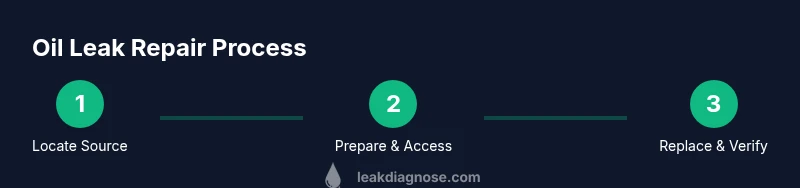
In this section we outline a clear, safe workflow you can follow if you’re comfortable with basic automotive repairs. The goal is to address common leaks without removing major engine components. Start by locating the source, then raise and secure the vehicle. Remove the impacted cover or shield as needed and inspect the suspected gasket or seal. Replace the faulty component with the correct OEM part and torque bolts to specification. Refill engine oil as required and perform a leak test by running the engine briefly. If leaks persist, escalate to a pro, as continuing to drive with a leak can cause significant engine damage. The steps below map to the steps in the tool list and ensure you cover preparation, inspection, replacement, and verification in a logical order.
DIY vs professional repair: when to call for help
Many oil leaks are manageable at home, especially when they involve drain plugs, pan gaskets, or valve cover gaskets. However, some sources demand specialized tools or deeper engine access, such as rear main seals or oil cooler lines. If you notice a large puddle under the car, an active drip while idling, or you’re uncomfortable with lifting or torquing critical components, it’s wise to consult a licensed mechanic. For complex leaks or transmission or crankcase concerns, professional service protects engine integrity and safety. Regular maintenance and scheduled inspections reduce the likelihood of major leaks and simplify any future repairs.
Post-repair checks and leak prevention tips
After completing a repair, wipe down the area and run the engine for a few minutes to confirm the fix. Monitor the spot for new oil marks over the next 24–48 hours, and re-check the oil level to ensure there’s no excessive loss. To prevent future leaks, follow OEM maintenance intervals, replace worn gaskets at the recommended service window, and routinely inspect drain plugs and seals. Keep an upstairs spray of degreaser or purpose-built engine bay cleaner to simplify future inspections. Storing a small bottle of dye for routine dye tests can help you verify leak status during subsequent checks. Completing these steps builds confidence and reduces the chance of recurring leaks.
Common mistakes to avoid
Avoid over-tightening drain plugs, which can strip threads or damage seals. Don’t mix gasket materials or reuse old seals, especially on timing covers or main seals. Never attempt major engine work without proper support stands and clear safety protocols. Finally, never ignore small leaks—early action saves money, reduces environmental impact, and protects engine health.
Tools & Materials
- Vehicle jack and jack stands(Use on level ground; never work under a car supported only by a jack)
- Oil catch pan(Capable of holding 1-2 quarts without overflow)
- Socket set (metric and SAE)(Include 10mm-17mm sockets; magnetic tray helps)
- Torque wrench(Check OEM torque specs for bolts and drain plug)
- Gasket/seal kit for your engine(OEM-recommended gaskets for oil pan, valve cover, etc.)
- Rags and solvent(Clean surfaces before and after for accurate inspection)
- Oil funnel(For adding fresh oil without spills)
- Shop towels(Keep the workspace clean and safe)
- Replacement oil and filter(Only if performing an oil change during the repair)
- Replacement drain plug washer(Optional but recommended to prevent leaks)
- Safety glasses and gloves(Protect eyes and skin from hot oil and solvents)
Steps
Estimated time: 2-4 hours
- 1
Locate the leak source
Park on a level surface and visually inspect for fresh oil around gaskets, seals, and plugs. Use a flashlight to examine hard-to-reach areas and wipe the area clean to reveal active drips. Document the suspected origin with photos for reference.
Tip: Take multiple photos from different angles to track progression over time. - 2
Raise and secure the vehicle
Loosen the front wheels, then lift the car with a jack and place it securely on jack stands on a level surface. Ensure stability before crawling underneath. Never rely on a jack alone for support.
Tip: Chock the wheels opposite the lifting side to prevent rolling. - 3
Access the leakage point
Remove any protective shields or covers to access the leak area. If the leak is from the oil pan or valve cover, carefully loosen the relevant bolts to expose the gasket without forcing components.
Tip: Keep track of bolt locations; use a magnetic tray to avoid losing small fasteners. - 4
Replace the faulty gasket or seal
Remove the old gasket or seal, clean the mating surfaces, and install the new OEM part. Tighten bolts in the correct pattern to the specified torque values. If replacing a drain plug washer, install the new washer and torque to spec.
Tip: Always torque in stages as per manufacturer spec to avoid warping. - 5
Reassemble and inspect
Reinstall any shields or covers. Refill the engine with the recommended oil amount and type. Start the engine and let it run for a few minutes, then inspect for leaks at the repaired site.
Tip: Use a sheet of cardboard or paper under the area to monitor for drips during the test. - 6
Test drive and verify
Take a short test drive and recheck for any signs of leakage when parked. Re-inspect after a cooldown period to ensure the fix holds under normal operating temperatures and vibrations.
Tip: Check oil level again after cooling; oil expands with heat and may show slight changes. - 7
Dispose of waste properly
Contain used oil and filters in approved containers and recycle according to local regulations. Clean up spills with absorbent material and dispose of it properly.
Tip: Never pour used oil down the drain or onto the ground. - 8
Document and monitor
Record what you replaced, the torque values used, and the date of service. Monitor the area over the next 1–2 weeks for any signs of renewed leakage.
Tip: Keep a simple log for future maintenance and potential warranty claims. - 9
Know when to escalate
If leaks persist after a gasket change or involve critical seals, seek professional help. Complex leaks may require specialized equipment or engine access.
Tip: Do not drive aggressively with a suspected major leak; arrange for towing if necessary.
Questions & Answers
What causes automotive oil leaks?
Oil leaks typically come from gaskets and seals such as the oil pan gasket, valve cover gasket, and crankshaft seals, or from a worn drain plug washer. Age and heat contribute to gasket hardening and seal failure.
Oil leaks usually come from gaskets or worn seals like the oil pan or valve cover. Age and heat make those parts fail over time.
Can I fix an oil leak myself?
Simple leaks from accessible gaskets or drain plugs are often DIY-friendly with basic tools. More complex leaks near the timing cover or crankcase may require professional service.
You can fix simple leaks at home, but complex leaks may need a mechanic.
Is it safe to drive with an oil leak?
Driving with an oil leak can cause engine damage or fire hazards. If you notice a sizable puddle or active drip, limit driving and arrange a tow or professional inspection.
Don’t drive long distances if there’s an oil leak; get it checked as soon as possible.
When should I seek professional help?
If leaks persist after a gasket replacement, involve rear main seals, or you lack safe access to components, consult a licensed mechanic for a thorough diagnosis.
If the leak continues after DIY fixes or involves hard-to-reach seals, call a pro.
How can I prevent future oil leaks?
Regular maintenance, timely gasket replacement at OEM intervals, and routine inspection of drain plugs and seals help prevent leaks. Use quality oil and filters as recommended by your vehicle manufacturer.
Keep up with maintenance and replace worn gaskets before they fail.
What should I do with spilled oil?
Contain spills immediately with absorbent pads and dispose of waste oil at approved facilities. Clean the area with appropriate cleaners to prevent environmental harm.
Contain the spill and recycle the used oil properly.
Watch Video
Main Points
- Identify leak source early to reduce damage
- Use proper torque specs to avoid warp and future leaks
- Choose OEM gaskets for reliable sealing
- Clean, document, and test after repair
- Know when to seek professional help