Cost of Fixing a Gas Leak: What Homeowners Should Expect in 2026
A practical, data-driven guide to the cost of fixing a gas leak, outlining typical ranges, key drivers, and strategies to plan repairs safely and affordably.


Short answer: The cost of fixing gas leak typically runs from a few hundred to several thousand dollars, depending on leak type, accessibility, and repairs needed. Minor issues (valve reseating, detector replacement) usually cost hundreds; major gas line work or meter/regulator replacements can reach into the thousands. If you smell gas, evacuate and call your gas provider immediately.
Understanding the cost components of fixing a gas leak
The price tag for a gas-leak repair is not a single number; it reflects multiple moving parts that vary by home, region, and the underlying problem. Central to the calculation is safety: work is performed by licensed professionals who follow strict codes, test for gas integrity, and may require permits. This is why the first step in evaluating the cost of fixing gas leak is to identify whether the issue is a minor fix or a major repair. At the core, the cost of a repair includes labor, materials, diagnostic testing, and potential equipment replacement. Labor accounts for the technician's time and travel, while materials include valves, fittings, detectors, and sometimes pipe segments. For many households, the most significant variable is access: a line buried behind walls, in an attic, or under a crawl space can dramatically raise labor time and equipment needs. Another major factor is testing—gas-sniffing equipment and pressure tests are often required to verify the leak is contained. Finally, permitting and inspection fees may apply in many jurisdictions, adding to the overall cost of fixing gas leak.
Minor fixes that still matter
Even small interventions can resolve a significant gas-leak risk and affect the overall cost. Common minor fixes include tightening a loose valve stem, replacing a faulty or expired gas detector, or reseating a swollen gasket. While these tasks are lower-cost than full line replacements, you should still expect professional service. Labor for minor fixes typically dominates the bill, as access and the need to perform a careful pressure test determine how long the job will take. In addition, if the technician discovers related issues during the service call, they may propose additional fixes, which can expand the scope and drive up the final price. For budgeting purposes, consider a base labor fee plus the cost of small parts such as o-rings, seals, and detector batteries. If the gas utility detects a minor issue during a routine safety check, they may charge a diagnostic fee separate from the repair labor.
Medium repairs: gas line joints, meters, and sensors
Medium repairs commonly involve repairable joints, regulator work, or replacing sensors and meters that monitor gas flow. These tasks require more materials and longer service times, but still avoid full line replacement. Costs rise with the length of pipe that must be accessed, the type of gas line (steel, copper, or flexible), and the need for trenching or cutting through walls. Expect to pay for both parts and additional labor, plus a possible testing surcharge to confirm there are no remaining leaks. Transparent quotes should itemize line repairs, valve replacements, detector tests, and any required re-inspections. Recognize that regional code differences can influence permit requirements and inspection frequency, which can shift the total price upward in some areas.
Major repairs and replacements
When a leak involves a long section of piping, a corroded main, or a faulty meter or regulator, contractors may recommend substantial repairs or replacements. This category can quickly raise the total cost due to longer labor hours, more expensive materials, and potential trenching or wall opening work. Major repairs often trigger permit fees and mandatory inspections, which add to the price regardless of contractor. In many markets, the total can range into the high thousands, particularly if a full line or meter upgrade is necessary. While daunting, these costs reflect comprehensive safety measures and long-term reliability improvements. Always request a detailed breakdown and confirm what portion is for parts, labor, testing, and permit-related expenses.
Regional and contractor factors
Pricing for gas-leak repairs varies substantially by region, driven by labor rates, material costs, and local permitting practices. Urban areas with higher living costs tend to see higher labor rates, whereas rural areas may offer lower rates but longer response times. Accessibility also matters: a leak behind finished walls or under a concrete slab will require more invasive work, raising both labor and material costs. Finally, contractor qualifications influence pricing; licensed, insured professionals who perform gas work to code maintain higher average rates but reduce risk of future problems. When planning, consider regional cost norms, the reputation of the contractor, and the inclusions in the estimate (testing, permits, warranty).
Getting quotes: what to ask
To make quotes comparable, ask contractors to itemize: the diagnostic approach, parts and labor, potential additional repairs, permit fees, and post-repair testing. Request a written scope of work and timeline, plus a warranty on workmanship and parts. Verify licensing, insurance, and any required gas-safety credentials. Ask whether the estimate includes emergency or after-hours service, which can significantly affect the final total. If you receive a wide price spread, ask each contractor to explain the differences in scope and any contingencies. Finally, compare payment terms and whether the quote locks in prices for a set period.
Safety, testing, and permitting considerations
Safety is the primary concern with any gas-leak repair. In many jurisdictions, a permit and official inspection are required to ensure compliance with national and local codes. Expect costs for gas-pressure testing, two-way valve checks, and operator certification. Some providers may perform in-field testing and issue a certificate of compliance upon completion. If a leak is detected by the utility, they may perform an initial response, then refer you to a licensed contractor for repairs. Always confirm that testing methods (sniffers, leak detectors, pressure tests) align with local standards and that the work is documented for insurance and resale purposes.
Maintenance and long-term planning to reduce future costs
After a repair, preventive maintenance can help reduce the risk and cost of future leaks. Schedule periodic inspections of gas lines, detectors, and regulators, and replace aging components before they become failures. Keep an up-to-date inventory of installed equipment and their replacement dates to anticipate upcoming costs. Consider installing continuous monitoring detectors in high-risk areas and educating household members about odor awareness and emergency procedures. Building a small contingency into your budget for unexpected safety-related repairs is prudent, especially in older homes with aging gas infrastructure.
Estimated cost ranges by repair scenario
| Cost element | Typical range | Notes |
|---|---|---|
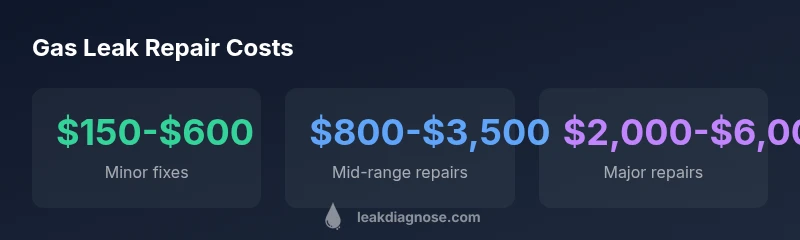
| Minor valve adjustments/detector work | $150-$600 | Includes labor and parts |
| Gas line repair and regulator work | $800-$3,500 | Depends on access and material |
| Major gas line replacement or meter work | $2,000-$6,000 | Length, permits, and labor drive cost |
| Emergency service call (after-hours) | $100-$500 | Possible surcharge in some markets |
Questions & Answers
What factors influence the cost of fixing a gas leak?
Several variables determine price: leak severity, accessibility, materials, labor time, and permit requirements. Emergency scenarios or after-hours service can add premiums. Always request a clear written scope and a line-by-line cost breakdown.
Costs depend on how severe the leak is and how easy it is to reach. Expect variations with permits and after-hours service, and always ask for a written breakdown.
Are gas-leak repairs covered by homeowners insurance?
Coverage varies by policy. Many standard homeowners policies cover damage caused by gas leaks and post-accident repairs, but routine preventive work is typically not included. Check with your insurer and document all repairs and testing.
It depends on your policy. Talk to your insurer about what’s covered and keep all repair documents.
Why is emergency gas-leak repair more expensive?
Emergencies require rapid response, after-hours labor, and possible safety shutdowns. The added risk and downtime often lead to higher labor rates and potential equipment add-ons.
Emergency work costs more because you’re paying for urgent, out-of-hours service and greater safety measures.
What should I ask a contractor when getting quotes?
Ask for a written scope of work, itemized parts and labor, permit costs, testing fees, and warranty terms. Verify licensing and insurance, and request references or project photos.
Get a written scope, itemized costs, and proof of licenses. Check references.
How can I reduce costs without compromising safety?
Plan ahead, obtain multiple quotes, and fix only what’s necessary to ensure safety. Consider scheduling non-urgent work during normal hours to avoid premium after-hours rates, and ask about cost-saving options that still meet code requirements.
Shop around for quotes and ask about safe, affordable options that still meet code.
How long does a typical gas-leak repair take?
Time depends on the scope: minor fixes may take a few hours, while major line work can require one or more days. Always request a realistic timeline with milestones in the written quote.
Most repairs are completed in hours for small fixes or a day or more for major work; ask for a schedule.
“Gas-leak repairs must prioritize safety and professional evaluation; cost estimates are most useful when they reflect scope and compliance requirements.”
Main Points
- Prioritize safety and obtain professional assessments
- Costs vary widely by scope and region
- Get multiple written quotes for comparison
- Verify licensing, insurance, and included work
- Budget for permits, testing, and contingency