Can You Use Leak Lock on Refrigerant Lines? A Practical Guide
Learn whether Leak Lock can be used on refrigerant lines, why it’s generally not recommended, and safer, compliant alternatives for leak management. This practical guide from Leak Diagnosis covers safety, regulatory considerations, and when to call a licensed technician.


This guide answers: can you use Leak Lock on refrigerant lines? We'll cover compatibility, safety concerns, and best practices for DIY repairs versus professional service. You’ll learn where Leak Lock may be suitable, where it’s not, how to apply it properly, and why following refrigerant handling rules matters. This article also outlines regulatory considerations and safer alternatives.
Why this question matters
If you’re dealing with a suspected refrigerant leak in an HVAC system, you might wonder, can you use Leak Lock on refrigerant lines? The short answer is no in most cases, but the full story involves safety, legality, and system integrity. According to Leak Diagnosis, refrigerant circuits are sealed and designed to prevent leaks with high reliability. Using a product not approved for refrigerants can introduce contaminants, compromise seals, and void warranties. In many jurisdictions, improper use of sealants in refrigerant lines can also violate environmental regulations. This guide explains why the question matters for homeowners and DIY enthusiasts, and how to approach leaks responsibly. Throughout, we reference general best practices and safety measures to help you decide when to attempt a DIY check versus calling a licensed technician. Remember: even small mistakes can escalate into costly repairs or safety hazards, especially when refrigerants are involved.
What Leak Lock is designed for
Leak Lock is marketed as a sealant for water-related leaks in potable plumbing. It is formulated to cure from within water pipes and fittings under typical indoor temperatures. Refrigerant lines, by contrast, carry a sealed refrigerant that operates under different temperatures, pressures, and chemical environments. For this reason, most HVAC professionals and manufacturers do not endorse using Leak Lock or similar sealants on refrigerant circuits. Attempting to seal a refrigerant line with a water-based sealant risks contaminating the refrigerant, clogging microchannels, and violating safety standards. Leak Diagnosis emphasizes adhering to manufacturer guidelines and environmental regulations when repairing refrigerant systems. If you’re unsure, err on the side of professional evaluation rather than DIY improvisation.
Why refrigerant lines are different from water pipes
Refrigerant lines are high-pressure, closed-loop systems designed to carry specific chemical refrigerants. They require precise repair methods that preserve system integrity, avoid contamination, and maintain leak detection and performance under operating temperatures. Water-based leak sealants can degrade, interact with refrigerants, or leave residues that interfere with O-rings, gauges, and service ports. In addition, refrigerant handling is subject to regulatory controls that mandate proper recovery and disposal. In short, what works for a leaky faucet does not translate to refrigerant circuits, and attempting to force-fit a sealant may cause more harm than good. This distinction is central to informed decision-making in can you can you use leak lock on refrigerant lines decisions.
Regulatory and safety concerns
Many jurisdictions require refrigerant systems to be serviced by licensed technicians. Policies under environmental and occupational safety regimes emphasize safe handling, leak testing, and proper recovery of refrigerants before any repair work. Introducing unapproved materials can contaminate the refrigerant, complicate recovery, and void warranties. Safety gear — including eye protection and gloves — is essential whenever you interact with pressurized lines. The Leak Diagnosis team notes that attempting a DIY sealant fix in a refrigerant line can create a hazardous condition, particularly if the system is still charged or if there is a potential for exposure to refrigerant and oils.
Safer, compliant approaches for leaks
The safest path for refrigerant leaks is a targeted repair or replacement performed by a qualified HVAC technician. Methods include installing a brazed or crimped repair, replacing the affected line or component, and performing a pressure test after recharging with the correct refrigerant and oil. Before any repair, technicians isolate the affected section, verify the leak, recover the refrigerant as required, and document the service. For homeowners, this means avoiding home-use sealants like Leak Lock and instead scheduling a professional inspection. In many cases, prompt professional service can prevent refrigerant loss, reduce environmental impact, and protect system warranty status. Leak Diagnosis’s analysis shows that professional diagnostics lead to safer outcomes and fewer long-term costs.
Stepwise approach to evaluating a suspected leak
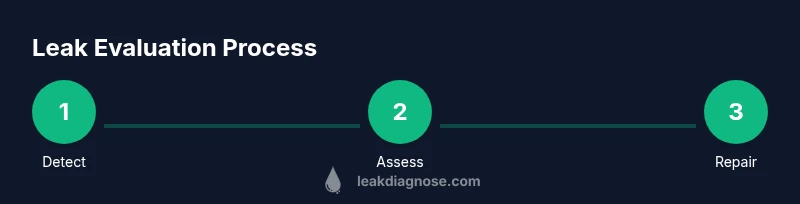
Diagnosing a refrigerant leak should be methodical. Start with signs like sudden pressure drops, frost on lines, or scale on service ports. Use approved leak-detection methods such as electronic detectors or ultraviolet dye tests, following manufacturer instructions. Do not apply any sealants as a first response; instead, document the location, take photos, and arrange a technician visit. If you are the homeowner and the system is under warranty, consult the manufacturer’s repair guidelines to avoid voiding coverage. The goal is to confirm the leak, identify the repair path, and ensure the system is safe and compliant.
When DIY is acceptable and when to step back
There are limited situations where a DIY approach may be appropriate, such as basic airflow or non-refrigerant plumbing issues that are clearly separate from the refrigerant loop. For actual refrigerant leaks, however, DIY repair is not advised. Incorrect repair, improper evacuation, or improper recharging can lead to safety risks and equipment damage. Always prioritize safety and regulatory compliance. If you’re unsure whether your situation falls into a DIY-friendly category, err on the side of professional service.
Practical signs you should not seal with Leak Lock
Avoid Leak Lock or any non-approved sealant for refrigerant lines. Signs you should avoid DIY repairs include: a charged system, visible refrigerant in the environment, or reports of persistent leaks after a service. Contaminated refrigerant can compromise the performance of the compressor and other critical components. If you notice any leak indicators, stop work, and contact a licensed technician. Safety and compliance come first in refrigerant work.
What to do next: schedule a pro
If you suspect a refrigerant leak, schedule a professional evaluation promptly. A licensed HVAC technician will perform a controlled leak test, recover refrigerant if required, and conduct a safe repair or component replacement. This approach protects your system’s efficiency, extends equipment life, and ensures compliance with environmental regulations. For homeowners, setting an appointment with a reputable service provider is the next responsible step.
Tools & Materials
- Safety glasses(ANSI Z87.1 compliant; protect eyes from refrigerant and tools)
- Nitrile gloves(Chemical-resistant; use when handling refrigerant lines)
- Rag or absorbent towels(Clean spill cleanup and wipe contact areas)
- Electronic refrigerant leak detector(Handheld device to identify leak locations safely)
- Soap solution spray bottle(Bubble testing for preliminary leak signs on joints)
- Manifold gauge set (optional)(Useful for diagnosing system pressure if trained)
- UV dye kit (optional)(Assists in visualizing leaks with UV light)
- Wrench set or pliers(For loosening components during inspection)
- Rags/backup PPE(Extra protective gear and cleanup materials)
Steps
Estimated time: 60-90 minutes
- 1
Power down and ensure safety
Turn off the HVAC unit and disconnect power to avoid unintentional energization. This reduces the risk of shock or accidental pressure release while inspecting lines.
Tip: Double-check circuit breakers and confirm no residual charge in the system. - 2
Inspect for obvious signs
Look for oil residues at joints, frost on lines, or hissing sounds that indicate a leak. Note locations with photos for reference.
Tip: Document all potential leak sites before any further action. - 3
Test with approved methods
Use an electronic leak detector or UV dye according to the manufacturer’s guidelines. Do not apply any sealant at this stage.
Tip: Avoid guessing; rely on objective readings from proper tools. - 4
Avoid sealants on refrigerant lines
Do not apply leaks sealants like Leak Lock to refrigerant lines. Sealants can contaminate refrigerant, damage components, and violate regulations.
Tip: If a leak is confirmed, plan a repair with a licensed tech. - 5
Coordinate professional repair
Arrange for repair or component replacement with a licensed HVAC technician. Ensure refrigerant is recovered if required and that the system is recharged properly.
Tip: Ask for a written repair plan and warranty terms. - 6
Verify the repair and document
After repair, perform a follow-up leak test and record the service details for records and warranty validation.
Tip: Keep refrigerant handling and service receipts in a safe place.
Questions & Answers
Can Leak Lock be used to seal refrigerant lines?
No. Leak Lock is not approved for refrigerant lines and can contaminate the refrigerant, damage components, and violate safety regulations. Professional repair methods should be used instead.
Leak Lock should not be used on refrigerant lines. A professional repair is required to prevent contamination and safety risks.
Will using non-approved sealants void my warranty?
Yes, using non-approved sealants can void warranties and may complicate future service. Always follow the manufacturer’s repair guidelines and EPA regulations.
Using unapproved sealants can void warranties. Check your unit's guidelines and regulatory rules.
What are safer alternatives for leaks?
Consult a licensed HVAC professional. Safer options include repairing or replacing the leaking component, recovering refrigerant, and recharging with the correct refrigerant and oil.
The safer path is professional repair and proper refrigerant handling.
Can I DIY refrigerant leak repairs?
DIY repairs are generally not recommended for refrigerant leaks due to safety and regulatory concerns. A licensed technician should perform the repair.
DIY refrigerant repairs are not advised; professionals should handle it.
Is refrigerant recovery required before repair?
In many cases, refrigerant must be recovered before repair work to prevent release and to comply with environmental rules. A licensed technician will handle this.
Recovery is typically required; a licensed tech will manage it.
Do warranties cover leaks repaired by DIY?
Most warranties exclude damages caused by DIY repairs or the use of non-approved materials. Professional service helps protect coverage.
DIY repairs often void warranties; professional service helps maintain coverage.
Watch Video
Main Points
- Avoid using Leak Lock on refrigerant lines.
- Rely on licensed technicians for refrigerant repairs.
- Use approved leak-detection methods before deciding on any repair.
- Follow safety and environmental regulations to protect people and the system.