Oil Leak Repair for Cars: A Safe, Step-by-Step Guide
Master safe, effective oil leak repair for your car with a structured diagnosis, common fixes, and post-repair checks. This Leak Diagnosis guide walks homeowners through locating the source, choosing the right fix, and preventing future leaks.


Goal: Diagnose and repair an oil leak in your car safely, with a clear plan for source identification, containment, and repair. You'll learn how to locate the leak, decide between gasket/seal replacements or more extensive fixes, and test the system after repair. Essential prep includes a catch pan, flashlight, basic hand tools, rags, and safety gear; expect 1–3 hours depending on access.
Understanding Oil Leaks: Why They Happen
According to Leak Diagnosis, oil leaks in cars typically occur when aging seals, gaskets, or hose connections fail, allowing engine oil to escape into the engine bay. The most common culprits include the valve cover gasket, rear main seal, oil pan gasket, and the seals around the oil filter housing or drain plug. Small drips may go unnoticed, but persistent leaks create environmental hazards, reduce oil levels, and can lead to serious engine damage if ignored. Recognize signs early: oily residue under the vehicle, oil spots on the driveway, a burning oil smell, or a low oil warning on the dashboard. Addressing leaks promptly protects your engine and your wallet while minimizing environmental impact.
A proactive, methodical approach yields the best outcomes. Start with a visual inspection, confirm the source, and then plan the repair with proper torque, parts, and follow-up checks. Regular maintenance and correct installation reduce recurrence and extend engine life. This guide walks you through the diagnosis, safe prep, common fixes, and verification steps so you can repair confidently and safely.
Diagnosing the Source: From Drips to Droplets
Leak detection begins with tracing oil from its entry point to where it pools or drips. Begin by cleaning the area around suspected sources, then observe where fresh oil appears after a short engine run. Use a good flashlight and, if needed, UV dye or a leak detector to highlight flow paths. Determine whether the leak originates at a gasket, seal, or a loose drain plug. A systematic approach reduces guesswork and improves repair reliability, a point supported by the Leak Diagnosis analysis which emphasizes careful documentation and methodical testing to prevent misdiagnosis.
Keep notes on oil color, leak location, and the engine state when you observed the drips. Documenting helps you compare pre- and post-repair conditions and can aid future maintenance or professional consultations. When the source is clear, you can move to the appropriate fix with confidence and safety in mind.
Safety First: Prep and Personal Protective Equipment
Work on an oil leak only after turning off the engine and letting it cool fully to avoid burns. Secure the vehicle on a flat surface, engage the parking brake, and place wheel chocks if you’re working on an incline. Wear chemical-resistant gloves, safety glasses, and long sleeves to prevent skin contact with used oil or solvents. Have a fire extinguisher and oil-absorbing materials within reach in case of spills. Never work under a vehicle supported by a jack alone; use jack stands on a solid, level surface, and follow all local safety guidelines.
Planning for safety reduces risk of injury and oil exposure. Keep a clean workspace to prevent slips, and organize tools to avoid accidental slips while manipulating hot or heavy parts. If you encounter frayed hoses near high-temperature zones, proceed with extra caution or seek professional help for those components.
Tools, Materials, and Safety Supplies You’ll Need
Preparing a dedicated work area improves efficiency and safety. Assemble essential tools and replacement parts before you start, and keep a clean, organized station to avoid cross-contamination of parts. A detailed list is in the Tools & Materials section, but you’ll typically need a catch pan, rags, degreaser, flashlight, wrenches and sockets, pliers, torque wrench, screwdrivers, new gaskets/seals, replacement oil filter if needed, fresh oil, an oil filler funnel, and, if applicable, RTV sealant. Have a way to safely dispose of used oil and rags afterward.
A clean, organized setup prevents dropped fasteners from becoming hazards and helps you reassemble correctly. If you’re unsure about the exact gasket or seal for your model, consult your vehicle’s service manual or a trusted resource. Proper lubrication and torque specifications protect the engine and ensure a durable seal over time.
Step-by-Step Overview: An Organized Repair Approach
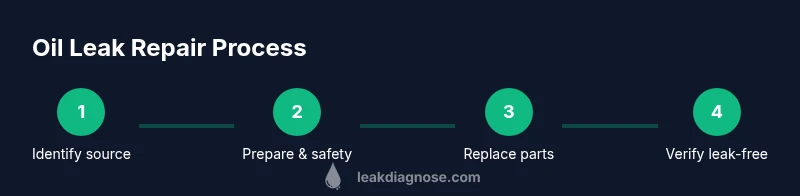
Think of oil leak repair as a structured workflow: verify the source, prepare the area, remove or replace faulty gaskets or seals, reinstall with correct torque, and run the engine to test for leaks. Document each step to help with future maintenance and future DIY projects. This approach minimizes surprises and protects the engine. A calm, methodical mindset keeps you safe and effective throughout the repair process.
Common Repairs: Gaskets, Seals, and Pan Components
The majority of automotive leaks stem from worn valve cover gaskets, oil pan gaskets, or seals around crankshafts and oil filter housings. Damage can also occur in oil cooler lines or drain plugs if threads are stripped. In many cases, replacing a gasket or seal resolves the leak; however, some repairs require more extensive service, especially if a crankshaft rear main seal is involved. If the leak is near critical components or if you notice rapid oil loss, seek professional assistance. Leveraging quality gaskets and correct installation techniques helps prevent future leaks and extends engine life.
Post-Repair Checks: Testing, Top-off, and Prevention
After finishing the repair, wipe the area clean and run the engine at idle before taking a short drive to observe for any fresh drips. Recheck the oil level with the dipstick and top off as needed to the manufacturer’s specification. Monitor the undercarriage after the test drive for several days, and periodically recheck the oil level as part of routine maintenance. Regular checks, clean oil, and correct disposal reduce leak risk and environmental impact while promoting long-term engine health.
How Leak Diagnosis Supports Homeowners
The Leak Diagnosis team emphasizes the value of a routine that combines visual checks with scheduled maintenance. By identifying leak sources accurately, using correct gaskets and seals, and following a solid step-by-step process, DIY repairs become safer and more durable. Regular inspections help catch leaks early, reduce environmental harm, and prevent costly engine damage. Learn from the team’s guidance, and adopt a disciplined approach to your car’s maintenance to keep leaks at bay.
Tools & Materials
- Catch pan(Large enough to hold several quarts of oil)
- Shop rags / absorbent pads(For spills and clean-up)
- Flashlight or work light(Inspect dark engine bays effectively)
- Gloves (nitrile or rubber)(Protect hands from oil and solvents)
- Socket set and ratchets(Remove bolts and fasteners)
- Wrench set (open/box end)(Access tight spots and fittings)
- Torque wrench(Tighten fasteners to spec)
- Screwdrivers (flat & Phillips)(Detach clamps and components)
- Pliers / hose clamp pliers(Remove and reinstall hoses)
- Gasket/seal replacements(Valve cover/oil pan/crank seal as needed)
- RTV sealant (engine-suitable)(Only where manufacturer allows sealant)
- Oil funnel(Pour oil without spills)
- Degreaser / parts cleaner(Pre-clean surfaces for inspection)
- New engine oil(Replace oil if drained or necessary during repair)
- Oil filter (if applicable)(Replace near the filter housing if accessible)
- Safety glasses(Eye protection)
- Jack stands and wheel chocks(Use if lifting vehicle for access)
Steps
Estimated time: 90-180 minutes
- 1
Prepare workspace and safety
Clear the area, gather tools, and verify the engine is cool before starting. Set the parking brake and chock the wheels for stability. Prepare a catch pan and absorbent materials for potential spills.
Tip: Label fasteners as you remove them to simplify reassembly. - 2
Position catch pan and isolate engine
Place the catch pan under the suspected area, and ensure the vehicle is stable. If you must work near electrical components, disconnect the negative battery terminal after the engine has cooled.
Tip: Always work on a flat surface with proper jack stands, never rely on a jack alone. - 3
Inspect suspected leak area
Wipe the area clean and visually inspect valve covers, oil pan, and the filter housing for fresh oil. Look for seepage around gaskets, seals, and threads.
Tip: Use a bright flashlight and a mirror to view hard-to-see angles. - 4
Prepare, clean mating surfaces
Carefully remove old sealant or gasket remnants and clean mating surfaces with degreaser. Ensure surfaces are dry and free of debris before new parts go in.
Tip: Avoid scratching metal; use plastic scrapers if needed. - 5
Install new gaskets/seals
Position the new gasket or seal, apply the correct sealant if recommended, and hand-tighten components before final torquing.
Tip: Follow the torque sequence and cross-pattern tightening where applicable. - 6
Reassemble and torque to spec
Reattach components, connect hoses, and reinstall the oil filter and drain plug if removed. Refill oil if drained and ensure the level is within the acceptable range.
Tip: Double-check clamp seating and hose connections for leaks. - 7
Test for leaks and verify levels
Start the engine, check for any drips at the previously identified area, and monitor for a few minutes. Re-check oil level after a short drive and top off if needed.
Tip: Document observations and re-check after a drive to confirm leak-free performance.
Questions & Answers
What are the most common causes of oil leaks in cars?
Oil leaks most often come from worn valve cover gaskets, rear main seal, or oil pan gaskets. Inspect these areas first when diagnosing a leak.
Most leaks start with worn gaskets or seals, like the valve cover or rear main seal.
Can I fix an oil leak myself, and when should I call a mechanic?
Some leaks from simple gaskets can be repaired at home with the right tools. More complex leaks near the crankshaft, oil cooler lines, or sensitive areas often require professional service.
You can fix simple leaks yourself, but major leaks near critical components usually need a pro.
What safety steps should I take before starting?
Let the engine cool, wear PPE, work on a level surface, and keep a fire extinguisher nearby. Never work under a car supported only by a jack.
Cool engine, use protection, and keep the workspace safe and organized.
Do stop-leak products work for oil leaks?
Stop-leak products may slow leaks but are not a substitute for proper repair and can clog passages or cause other issues.
Stop-leak additives aren’t a fix; they might buy time but aren’t a replacement for replacing gaskets or seals.
How can I prevent oil leaks in the future?
Regular oil changes, using the correct oil type, and replacing worn gaskets during maintenance reduce leak risk.
Keep up with oil changes and inspect gaskets during routine maintenance.
Watch Video
Main Points
- Identify leak sources with a methodical approach.
- Use proper PPE and safety steps.
- Replace faulty gaskets or seals with correct parts.
- Test thoroughly and monitor for future leaks.