Car Repair Oil Leak Guide: Diagnose, Repair & Prevent
Learn to locate, diagnose, and safely fix a car repair oil leak with our step-by-step guide. Includes common leak sources, tools, safety tips, and preventive maintenance to keep your engine clean and leak-free.


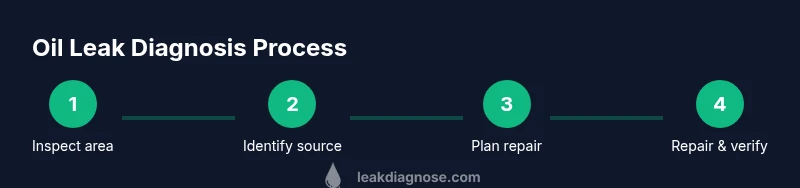
By following this guide, you will learn how to locate, evaluate, and safely repair a car repair oil leak, plus when to call a professional. Start by identifying the leak source, checking your oil level, and preparing a clean workspace. This overview also covers safety considerations, common sources, and practical maintenance tips from Leak Diagnosis.
Understanding what qualifies as an oil leak
An oil leak is an unwanted discharge of engine oil that leaves a trace under or on the engine. It’s different from a small, temporary seepage that may occur after an oil change or during long drives. If you notice a fresh pool or a consistent drip after parking, you’re likely dealing with an active leak. Oil leaks can occur at many locations on modern cars, and the color of the oil (amber to dark brown) can hint at age and contamination. For homeowners and DIY enthusiasts, recognizing the difference between a leak and routine use is key to avoiding misdiagnosis. According to Leak Diagnosis, the most reliable clue is a pattern of dripping that intensifies after the engine runs hot, followed by a re-accumulation after cooling. This article keeps safety at the forefront and encourages a thorough inspection before attempting any fix. Keep in mind that some oil traces can appear after a recent oil change, so note the date of the last service and compare levels over the next few days. Finally, clear, well-lit observations will help you communicate the issue accurately if you end up seeking professional help.
Common sources of oil leaks in passenger cars
Oil leaks don’t always point to a single failed component. In many cars, the most common culprits are visible and replaceable parts rather than the engine internals. A faulty valve cover gasket or a degraded oil pan gasket is a frequent source, as these gaskets sit on warm surfaces and experience constant expansion and contraction. The oil filter housing or drain plug can also leak if the seal is compromised or the fasteners are not torqued to specification. Less obvious but frequent spots include rear main seals, camshaft seals, and oil cooler lines, which can develop hairline cracks or dried-out seals over time. Checking for fresh oil drips around the perimeter of the valve cover, pan, and filter housing provides a practical starting point. The Leak Diagnosis team notes that a methodical, clean inspection makes it far easier to trace the origin, especially after engine shutdown when residues reveal the path of the leak.
Tools and safety considerations for inspecting an oil leak
Before you begin, ensure you’re equipped with basic safety gear and a clean workspace. Wear eye protection and gloves to guard against hot oil and sharp edges. Work on a cool engine to minimize burn risk and to avoid spreading hot oil. Use a bright flashlight to inspect hard-to-see corners of the engine bay. Place a drain pan and absorbent mats under the area you’re inspecting to catch drips and protect the driveway or garage floor. Keep a timer handy if you’re performing run cycles to observe dripping patterns. Always disconnect the battery when you’re going to touch wiring near leak-prone areas and follow the vehicle’s service manual for any safety notes. According to field experience shared by Leak Diagnosis, documenting the leak with photos can support a precise diagnosis and a smoother repair process.
How to locate the leak source without tearing apart the engine
Start by cleaning the suspected area with a degreaser and a clean rag so you can clearly see fresh oil. Run the engine for a few minutes (or drive a short distance, then park on a clean surface) to allow oil to flow and reveal the drip pattern. Inspect high‑probability sources first: the valve cover gasket, oil pan gasket, and oil filter housing for seepage at seals and threads. Trace any stain lines back toward the source, using the paper towel method or cardboard under the car to isolate where the oil drips most heavily. For stubborn cases, use UV dye designed for automotive fluids and a blacklight to highlight the leak path. This approach often pinpoints whether the leak is from a cap, plug, or gasket without disassembly, enabling a targeted repair plan.
Distinguishing oil leaks from other fluids
Car fluids vary in color and viscosity, so distinguishing oil leaks from transmission fluid, coolant, or power steering fluid saves time and money. Engine oil is typically amber to brown, with a distinct, petroleum-like odor, and it clings to hot engine components before dripping. Transmission fluid is red or pink when new and darkens with age, while coolant is bright green/orange with a sweet smell and may appear slimy. Oil tends to pool near the engine’s lower areas or along the oil pan perimeter, whereas coolant often leaves puddles near the radiator or hoses. If you’re unsure, wipe a small sample onto a white sheet; oil will darken slowly, while other fluids may show different characteristics. The goal is a precise source identification to avoid misapplied fixes and ensure safe operation of the vehicle.
Temporary safety measures and immediate actions
If you notice a heavy oil leak, pull over to a safe location and turn off the engine to prevent further damage. Avoid driving long distances with an active oil leak, as low oil levels can lead to severe engine damage. Place absorbent pads or a tray under the leak and place old rags nearby to manage spills. Do not overfill the engine to compensate for a leak; this can worsen the problem and create dangerous conditions. If the leak is near moving parts or wiring, disconnect the battery and wait for the engine to cool before attempting any inspection. Once you have safely contained the leak, document observations and plan a repair strategy, consulting the service manual or seeking professional help if you’re unsure about the repair scope.
Planning a repair: when to DIY vs call a pro
Small external leaks from surfaces like the valve cover or drain plug can often be addressed by a DIY enthusiast with basic tools and gasket replacements, provided you’re comfortable with lube stops and torque specifications. More complex leaks—such as rear main seals, head gaskets, or damage to oil cooler lines—usually require professional service due to safety risks and the potential for expensive engine damage. Always consult your owner’s manual and follow recommended torque specs, gasket types, and fluid compatibility. The Leak Diagnosis team emphasizes knowing your limits: a safe, staged approach reduces risk and increases the likelihood of a lasting fix. If in doubt, obtain an initial diagnostic from a qualified technician and use the findings to guide your repair plan.
Preventive maintenance to reduce future leaks
Prevention starts with proactive maintenance. Regular oil changes with the manufacturer‑recommended oil grade help maintain the integrity of seals and gaskets. When replacing filters or gaskets, ensure proper torque and cleanliness to avoid misalignment and leaks. Inspect valve covers, oil pans, and seals during routine service and replace worn components before they fail. Use high‑quality oil and the correct viscosity for your engine to reduce stress on seals, especially in extreme temperatures. Keeping the engine bay clean makes leaks easier to spot over time, and tracking oil level changes can alert you early if a leak begins to form. The goal is to extend the life of your seals and protect the engine from contaminant ingress.
The bottom line: communicating with a pro and planning repairs
Clear documentation helps a technician diagnose and fix a leak faster. Include recent service dates, the observed drip pattern, and any related symptoms (oil pressure warning, unusual noises, or smoke). If you decide to seek professional help, bring photos of the affected areas and a brief history of the issue. Leak Diagnosis’s guidance is to prioritize safety, accuracy, and a transparent repair plan. A measured, informed approach reduces downtime and supports a durable repair.
Tools & Materials
- Safety glasses or goggles(Protect eyes from splashes and debris)
- Nitrile gloves(Keep hands clean and protected)
- Oil drain pan(Catch leaking oil during inspection)
- Shop towels or rags(Wipe surfaces and dry areas for inspection)
- Flashlight or work lamp(Improve visibility in tight engine bays)
- Torque wrench or socket set(Remove/install bolts with correct torque)
- Wrenches and screwdrivers(General disassembly and access)
- Replacement gaskets or seal kit (optional)(Needed if replacing leaking gaskets)
- Gasket scraper or plastic scraper (optional)(Helpful for old gasket residue)
- Absorbent mats or cat litter (optional)(Contain spills during inspection)
Steps
Estimated time: 2-6 hours
- 1
Prep and safety
Ensure the engine is cool, disconnect the battery if you’ll reach wiring near the bay, and gather your tools. Set up a clean workspace with absorbent mats to catch drips. This initial setup reduces accidents and makes later inspection clearer.
Tip: Never work on a hot engine; hot oil can cause burns and slip hazards. - 2
Clean and inspect the area
Wipe down the suspected area with degreaser or a clean rag so fresh oil can be seen. A clean surface helps you identify the exact source and flow path of the leak.
Tip: A bright, well-lit area makes it easier to spot faint drips. - 3
Run the engine and observe
Start the engine and let it reach normal operating temperature, then look for new oil tracks or pools. If you can’t see an active leak, recheck after driving short distances, as heat expands seals and reveals leaks.
Tip: Place a white sheet or cardboard under the car to capture drips and reveal patterns. - 4
Check common leak points
Inspect valve cover bolts and gasket, oil pan gasket, and the oil filter housing. These are the most frequent leakage points and the easiest to access.
Tip: Tighten bolts to manufacturer torque specs only; overtightening can damage seals. - 5
Differentiate sources
Note droplets’ location and pattern to distinguish between engine oil and other fluids. Use color and viscosity clues, then cross-check with your service manual.
Tip: If uncertain, capture a sample with a clean white cloth for color comparison. - 6
Decide on a repair approach
If the leak is from an external gasket or drain plug and you’re comfortable with basic tools, you may perform a gasket replacement. Complex leaks from the rear main seal or timing covers usually require professional service.
Tip: Do not start a major disassembly unless you’re confident; incorrect reassembly can worsen the leak. - 7
Perform the repair (where appropriate)
Follow the service manual for gasket replacement or seal installation. Clean the area, install new gaskets, and torques specified bolts to prevent future leaks.
Tip: Use new gaskets and sealants as recommended by the manufacturer. - 8
Test and verify
After reassembly, refill oil to the correct level, run the engine, and recheck for leaks. If the leak persists, re‑inspect or consult a professional.
Tip: Document observations and check for oil level changes over the next days.
Questions & Answers
What are the most common sources of an oil leak in a car?
The valve cover gasket, oil pan gasket, oil filter housing, and drain plug seals are among the most common sources. Less frequent but possible are rear main seals and timing cover seals. A careful inspection of these areas often reveals the culprit.
Common sources include valve cover and oil pan gaskets, oil filter housing, and drain plug seals. Some leaks come from rear main seals or timing covers, so check these if others are tight.
Is it safe to drive with an oil leak?
Driving with an active oil leak is risky. It can lead to low oil levels, engine damage, and possible fire hazards. If the leak is minor and you must move the car, limit distance and plan a repair as soon as possible.
No, driving with a leak is risky. Take it to a shop soon and avoid long drives if possible.
How much does it cost to fix an oil leak?
Repair costs vary widely based on the leak source, required parts, and labor rates in your area. Simple gasket replacements might be less expensive than more extensive seal work. Get a diagnostic first to estimate scope and price.
Costs vary a lot; a simple gasket replacement may be cheaper than a major seal repair. A diagnostic helps you estimate.
Can I fix an oil leak myself?
Yes, for some exterior gasket leaks and basic seals with the right tools. More complex leaks, especially those involving internal seals, engine internals, or high‑pressure circuits, are usually best left to a professional.
You can DIY simple gasket leaks if you're comfortable with basic tools; for complex leaks, seek a pro.
What should I do if I notice a strong oil smell or smoke?
Shut off the engine and inspect the source safely. A strong oil smell or smoke indicates a significant leak or overheat. Have the vehicle towed to a shop if you cannot locate or stop the leak safely.
Turn off the engine and inspect safely. If in doubt, tow to a mechanic rather than driving.
Watch Video
Main Points
- Identify the leak source before attempting repairs
- Use proper PPE and a clean workspace to stay safe
- DIY fixes are feasible for simple gasket leaks with the right tools
- Know when to call a pro for complex leaks
- Dispose of used oil responsibly and monitor oil level after repair