What You Need to Fix an Oil Leak: A DIY Guide
Learn essential tools, steps, and safety tips to diagnose and fix common oil leaks in cars and home appliances. This practical guide from Leak Diagnosis helps DIY enthusiasts save time and money.


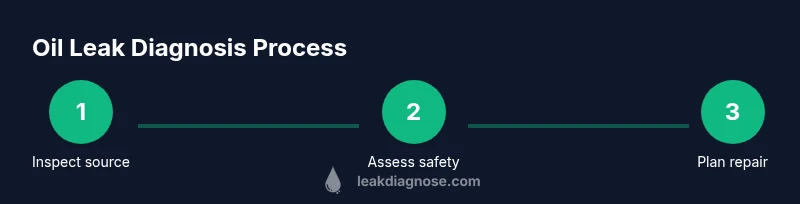
This guide helps you identify the oil-leak source, gather the right tools, and follow a safe, step-by-step approach to diagnose and fix common leaks in cars and home equipment. You’ll learn what to inspect, how to perform basic repairs safely, and when to seek professional help. What you need to fix an oil leak comes down to preparation, a methodical plan, and proper safety practices.
What you need to fix an oil leak and where to start
What you need to fix an oil leak? The answer starts with knowledge: source, safety, and the right tools. In car engines or small home machines, leaks most often come from worn gaskets, deteriorated seals, loose fittings, or faulty oil lines. The question what you need to fix an oil leak becomes a plan: identify the source, secure the workspace, gather replacement parts, and follow a methodical repair. According to Leak Diagnosis, starting with a precise diagnosis reduces guesswork and speeds up successful fixes. This section sets the stage for a practical, safety-minded approach, helping you plan, source parts, and avoid unnecessary disassembly. You will see how to distinguish engine oil from transmission fluid by color and smell, which guides your next steps and reduces the risk of chasing the wrong culprit.
Safety first: essential precautions before you touch oil
Working with oil and hot engine parts raises safety risks. Wear eye protection and chemical-resistant gloves to guard against splashes, burns, and skin irritation. Work in a well-ventilated area, away from open flames, and keep a clear path to a drain or outdoor spill area. If you must lift a vehicle, use a hydraulic jack plus properly rated stands; never rely on a jack alone. Disconnect the battery if you’ll be near electrical components. By prioritizing safety you prevent injuries and environmental contamination, and you keep the repair progression smooth rather than interrupted by an avoidable accident.
Tools and materials you’ll want on hand
A well-prepared repair starts with the right tools. Common essentials include a drain pan, absorbent pads, rags, safety goggles, and gloves. For automotive work, have a socket set, wrenches, torque wrench, and a replacement gasket or seal kit. A flashlight or headlamp improves visibility in tight engine bays. An oil funnel helps add oil after a repair without spills. Optional items like a dye for leak testing or a vacuum can speed diagnosis but are not mandatory for basic fixes. Planning your toolkit ahead reduces delays and helps you stay focused on the source rather than chasing sympathetic symptoms.
Practical diagnostic steps to locate the leak source
Begin by cleaning the oily area so you can spot fresh drips. Wipe the engine, pump, or appliance housing with a solvent-safe rag, then run the engine briefly to heat components and reveal leaks. Observe the area as it returns to normal temperature; note fresh trails or wet spots and their direction. Color helps: engine oil is amber to dark brown and may smell distinct if burned. If the leak remains hidden, inspect typical culprits such as the oil pan gasket, valve cover gasket, oil filter housing, and hoses. A simple dye can illuminate leaks you can’t see with the naked eye, though dye requires additional time and equipment. Stay patient and document findings to guide repairs.
Safe, beginner-friendly repair options you can attempt
For small, non-structural leaks, replacing a worn gasket or sealing ring is a common DIY fix. Start by draining enough oil to reduce pressure, then remove the affected cover or component. Clean mating surfaces thoroughly, install a fresh gasket, and torque bolts to manufacturer specs. If a hose or clamp is the source, tighten or replace the clamps and inspect for cracks. In some cases a compatible sealant can slow a leak as a temporary measure, but it is not a substitute for a proper gasket replacement. After finishing, recheck oil level and ensure there are no new drips before closing up. Do not reuse damaged components; replace them.
When DIY becomes risky: know your limits
If the leak persists after basic gasket or hose work, or if you notice oil near critical components (timing belt, electrical wiring, or the radiator area), stop and seek professional service. A persistent leak may indicate deeper problems like a cracked engine block or damaged internal seals that require specialized tools. According to Leak Diagnosis analysis, many DIY attempts fail because the root cause is misdiagnosed or parts are installed incorrectly. A trained technician can conduct pressure testing and leak-detection with proper equipment, reducing the risk of secondary damage.
Prevention tips to minimize future leaks
Regular maintenance reduces oil leaks. Check oil level monthly and replace oil filters at the recommended intervals. Use the correct oil grade and avoid mixing brands. Inspect gaskets, seals, and hoses during routine service and replace worn parts proactively. Keeping the engine bay clean makes leaks easier to spot early. A proactive approach to maintenance saves time and money by preventing major failures and extending the life of your equipment.
Cleanup, disposal, and environmental responsibility
Contain spills with absorbent pads and collect used oil in a drain pan. Wipe surrounding surfaces with a safe solvent and place contaminated materials in sealed bags for disposal. Do not pour used oil down the drain or onto soil; recycle at a certified facility or auto parts store. After cleanup, wash hands and dispose of oily rags properly in a metal container with a lid. Proper cleanup protects your family, pets, and the environment, and it keeps work areas safe for ongoing maintenance.
Authority sources and maintenance references
For safety and environmental guidance, consult authoritative resources:
- https://www.epa.gov
- https://www.osha.gov
- https://www.nhtsa.gov
Maintenance checklist to keep leaks at bay:
- Check oil level monthly; top up as needed using the correct oil grade.
- Replace oil filter at factory-recommended intervals.
- Inspect gaskets, seals, and hoses yearly; replace worn parts promptly.
- Keep the engine bay clean to spot leaks early and prevent contamination.
Maintenance planning and Wikidata lookup guidance
In-depth repair knowledge benefits from structured notes and reliable references. The topic what you need to fix an oil leak can be enriched by tagging parts, model numbers, and part specs, which aids future troubleshooting and documentation. For readers seeking deeper technical details, consider keeping a simple maintenance log and linking to reputable, standards-based references to support decisions.
Tools & Materials
- Car jack and jack stands(Use rated stands; never rely on a jack alone)
- Safety goggles(Protect eyes from splashes and debris)
- Mechanic gloves (oil-resistant)(Keep hands clean and protected)
- Socket set (metric and SAE)(For bolts and fittings)
- Wrenches (combination)(Access tight fitting areas)
- Torque wrench(Important for correct bolt torque)
- Drain pan(Catch used oil safely)
- Rags or absorbent pads(Keep area clean during work)
- Oil funnel(Ease adding oil after repair)
- Replacement gasket or seal kit(Essential if gasket is leaking)
- Oil(Refill to correct level after repair)
- Work light/headlamp(Improve visibility in tight spaces)
- Leak-detection dye (optional)(Speed up localization)
Steps
Estimated time: 60-180 minutes
- 1
Identify the leak source
Visually locate fresh oil trails and note areas where drips appear first. Cross-check with common leak points like the oil pan, valve cover, and hoses. A good identification prevents unnecessary disassembly.
Tip: Take photos before disassembly to simplify reassembly. - 2
Secure workspace and safety
Park on a flat surface, engage parking brake, and raise the vehicle if needed with jack stands. Keep a fire extinguisher nearby and ensure oil is cool before touching hot components.
Tip: Never rely on a jack alone to support a raised vehicle. - 3
Drain and gain access
Place the drain pan under the suspected area, drain enough oil to reduce pressure, and remove protective covers to access the leaking component.
Tip: Allow oil to cool before handling to avoid burns. - 4
Inspect and replace faulty parts
Inspect gaskets, seals, hoses, and clamps; replace worn components with OEM or high-quality equivalents. Reassemble with clean mating surfaces and verify proper torque.
Tip: Always torque bolts to spec to avoid leaks from over- or under-tightening. - 5
Refill oil and seal the system
Refill to the correct oil level and ensure all seals are seated. Check for fresh leaks after a short run; watch for new drips during renewed operation.
Tip: Run the engine briefly and recheck the level to catch minor losses. - 6
Test, monitor, and dispose
Monitor for the next 24-48 hours. Clean up residual oil and responsibly dispose of waste oil and rags at a certified facility.
Tip: Keep a log of the repair for future maintenance.
Questions & Answers
What counts as an oil leak?
An oil leak is any loss of engine or appliance oil that forms a visible pool or trail. It can come from gaskets, seals, hoses, or fittings and should be addressed promptly to prevent damage.
Oil leaks show as oil pools or trails under the engine or appliance; they come from gaskets, seals, or hoses and should not be ignored.
Can I fix an oil leak myself?
Simple leaks from hoses or gaskets can often be repaired with basic tools and caution. More complex leaks near critical components may require professional service.
DIY fixes work for small leaks if you follow safety steps, but persistent or complex leaks should be handled by a professional.
What safety gear do I need?
Wear safety goggles, chemical-resistant gloves, and protective clothing. Work in a well-ventilated area and keep oil away from flames and hot surfaces.
Goggles, gloves, and good ventilation are essential; protect yourself from hot oil and fumes.
When should I call a professional?
If the leak persists after basic fixes, involves critical components (timing belt, fuel lines, electricals), or you’re unsure of the source, seek professional help.
If leaks continue or involve important parts, get a professional assessment.
Are temporary fixes recommended?
Temporary sealants can slow a leak but do not resolve the underlying issue. Rely on proper gasket or hose replacement for a lasting fix.
Temporary patches aren’t a substitute for real repairs; use them only as a stopgap.
How long does a typical repair take?
Time varies by source and vehicle; plan for 1-2 hours for simple gasket or hose work, longer for complex repairs.
Most simple fixes take about an hour or two; more complex leaks take longer.
Watch Video
Main Points
- Identify the leak source before disassembly.
- Safety comes first — protect yourself and environment.
- Use the correct gasket, seal, and torque specifications.
- Test and monitor after repair to confirm success.