Oil Gasket Leak Repair Cost: A Homeowner's Guide
Understand the oil gasket leak repair cost ranges, drivers of price, and practical budgeting tips for DIY vs. professional fixes in 2026.


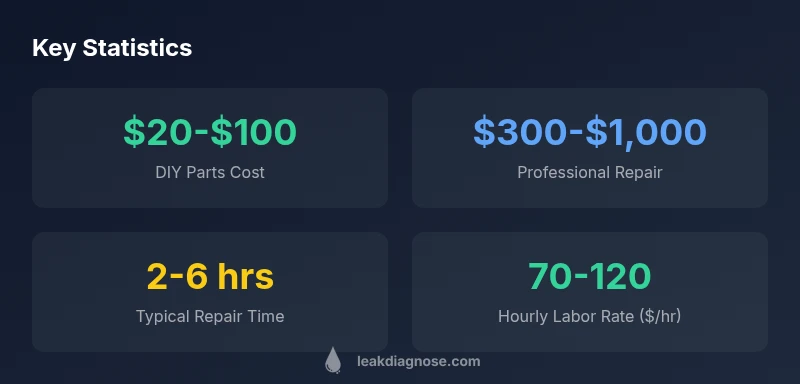
Oil gasket leak repair cost typically falls in a broad range, influenced by gasket type, engine location, and labor rates. For many common leaks, DIY parts may cost under $100, while professional repairs can range from $300 up to $1,000 or more, especially on newer or turbocharged engines. This Leak Diagnosis guide breaks down the factors and offers budgeting guidance.
What is an oil gasket leak and why it matters
An oil gasket leak occurs when a seal between engine components fails, allowing oil to escape and potentially drip onto the ground or hot engine parts. Gaskets seal joints that must withstand heat, pressure, and vibration. When a gasket fails, you may notice oil spots under the vehicle, a burning oil smell, or a lower oil level on the dipstick. While a small seep may be manageable, persistent leaks can lead to engine damage or fire hazards if oil contacts hot exhaust components. Understanding the cost of oil gasket leak repair starts with recognizing common sources: valve covers, oil pans, the rear main seal, and timing cover seals are frequent culprits. For homeowners and DIY enthusiasts, identifying the source accurately is the first step toward budgeting the repair.
Common gasket leak sources in modern cars
Several gaskets are prone to leaks as engines age. The valve cover gasket seals the top of the engine and is a frequent culprit due to heat cycling. The oil pan gasket sits at the bottom and can leak if the pan is warped or bolts loosen. The rear main seal, located at the end of the crankshaft, is notorious for slow leaks that accumulate over time. Less common but possible are leaks from the timing cover gasket or the oil filter housing gasket. Each source varies in how accessible the replacement is, which directly affects parts cost and labor time. A professional inspection can pinpoint the exact gasket, enabling a precise repair plan.
How repair costs are calculated
Cost for oil gasket leak repair is not a single number; it is a function of parts, labor, and engine layout. Parts cost depends on the gasket type and whether other seals or components must be replaced. Labor is driven by accessibility, vehicle design, and regional rates. For example, a valve cover gasket may be quick to swap, while a rear main seal or timing cover gasket can require several hours and more specialized service. There is also variation by vehicle class: compact cars typically fall on the lower end, while luxury or performance models push toward higher figures. According to Leak Diagnosis Analysis, 2026, the overall cost range reflects these dynamics and highlights the value of a precise diagnosis before committing to a repair.
DIY vs professional repair: pros and cons
DIY gasket work can save on labor, especially for simple valve cover reseals, but it carries risks. You’ll need a robust toolset, a clean workspace, and the ability to reseal without introducing new leaks. Pros include learning, scheduling flexibility, and lower upfront costs. Cons include potential warranty issues if not done carefully, difficulty with hard-to-reach gaskets, and the chance that a leak stems from multiple seals. For most homeowners, a balanced approach—confirming the leak source with a shop and then performing select maintenance tasks—offers value and reliability. The Leak Diagnosis team notes that even small installation mistakes can cause repeated oil loss, making professional verification worthwhile.
How to estimate your oil gasket leak repair cost
Begin with a careful leak location and a fluid check. Gather your vehicle’s year, make, model, engine type, and a description of the leak’s symptoms. Request written estimates from multiple shops and ask what is included (parts, labor, fees). If the leak is from a simple valve cover gasket, the estimate may be on the lower end; leaks from the rear main seal or timing cover are more expensive due to labor. Factor in potential add-ons like oil or coolant changes if an associated seal is replaced. In many cases, you’ll see a two-part cost: parts plus labor. To avoid sticker shock, compare quotes that separate labor hours and hourly rate, and check for warranty coverage on replaced gaskets. Leak Diagnosis Analysis, 2026, suggests budgeting with a cushion for unexpected discoveries during teardown.
What affects the price beyond the gasket
Even when the core gasket is the same part, price can swing due to access, the need for draining fluids, and disposal fees. Additional components often replaced during gasket work include seals around the gasket, bolts, and sometimes the timing cover or oil pump. The labor rate, which varies by region, can add significantly to the final bill. If the job requires engine removal or significant disassembly, expect higher costs. Finally, diagnostic charges may apply if the shop needs to pinpoint the leak with dye tests or UV lamps. Some shops roll diagnostic fees into the repair, others itemize them separately. Understanding these ancillary costs helps you evaluate overall value rather than focusing on a single line item.
Maintenance tips to prevent future gasket leaks
Preventive maintenance is the best defense against costly gasket leaks. Regular oil changes with the correct grade reduce gasket stress, and a clean engine bay helps spot leaks early. Inspect valve covers and oil pan gaskets during routine service; listen for subtle oil smells near the engine. Use a catch pan only when recommended by the manufacturer, and avoid overfilling oil. Tighten fasteners to torque specs and address oil seepage promptly. Keeping the engine area clean and protected from heat and debris also extends gasket life. The Leak Diagnosis team recommends periodic visual inspections and reporting oil drops immediately to protect your engine and resale value.
When to call a professional and how to choose a shop
If you notice persistent leaks, rising oil consumption, or a burning oil odor, consult a professional. A technician can pressure-test seals and confirm the exact gasket requiring replacement. When choosing a shop, request written estimates, verify labor rates, and look for warranty coverage on gasket work. Ask what tests will be performed, whether other seals may be affected, and whether the shop follows the manufacturer’s torque specs. Check online reviews for transparency and reliability, and confirm proper disposal of old parts and fluids. For many drivers, a well-vetted shop with upfront pricing and clear warranties delivers the best long-term value. The Leak Diagnosis team suggests comparing multiple quotes and prioritizing technical competence and diagnostic clarity.
Gasket replacement cost estimates by type
| Gasket Type | Typical Location | Estimated Replacement Cost (parts) | Estimated Labor Time |
|---|---|---|---|
| Valve Cover Gasket | Valve cover area | $20-$120 | 1-3 hours |
| Oil Pan Gasket | Oil pan at bottom of engine | $50-$180 | 2-4 hours |
| Rear Main Seal | Crankshaft rear seal | $300-$1000 | 3-6 hours |
| Timing Cover Gasket | Front of engine near timing belt/chain | $150-$600 | 4-8 hours |
Questions & Answers
What is the typical cost range for oil gasket leak repair?
Typical professional repair costs range widely by gasket type and engine layout; expect $300-$1,000+, with DIY parts typically under $100.
Most repairs fall in the hundreds to a thousand dollars range, depending on the gasket and engine.
Can I fix an oil gasket leak myself?
Some simple valve cover gasket tasks can be DIY with the right tools, but many leaks require professional disassembly.
You can DIY simple seals, but bigger leaks usually need a pro.
What are signs that I should repair the gasket soon?
Oil spots, rising oil level, and a burning oil odor indicate leaks that should be addressed to prevent engine damage.
Look for oil spots and smells under the hood.
Are stop-leak products recommended for gasket leaks?
Stop-leak additives are not long-term solutions and can clog passages; prioritize proper gasket replacement.
Stop-leaks aren't a reliable fix; replace the gasket.
Will an oil gasket leak affect warranty?
Some warranties exclude wear-and-tear leaks; check your policy and discuss with the shop before work.
Check your warranty terms before proceeding.
“Accurate diagnosis and careful gasket installation are the keys to avoiding repeat leaks. Even small errors in torque or seal seating can cause oil leaks to recur.”
Main Points
- Budget for professional repairs in the typical range of $300–$1,000+.
- DIY parts can be under $100, but labor savings vary.
- Pinpointing the exact gasket source prevents repeat leaks.
- Get quotes with clear parts, labor, and diagnostic charges.