Cost to Fix Oil Leak in Car: Typical Cost Ranges and Budget Tips
Understand the cost to fix an oil leak in a car, including common leak sources, labor vs parts, and budgeting tips. This guide provides realistic 2026 cost ranges and practical advice.


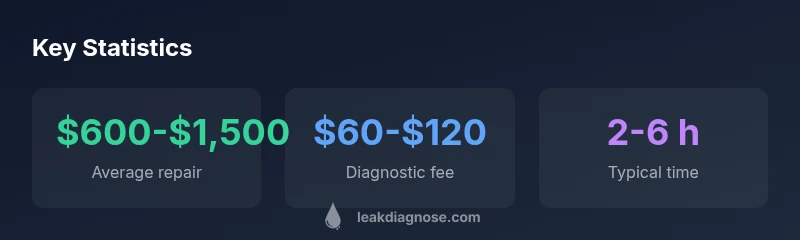
The cost to fix an oil leak in a car varies by leak source and accessibility. In general, expect repair costs to range from a few hundred to around two thousand dollars, depending on parts, labor, and diagnosis. This quick guide explains typical ranges, key factors, and budgeting tips.
What contributes to the cost of fixing an oil leak
Oil leaks in cars can originate from several parts such as gaskets, seals, or hoses. The cost to fix oil leak in car depends on the source, how easy it is to access, and whether parts must be replaced. In many cases, a simple gasket seal or plug replacement is cheap, but more complex failures like a rear main seal or oil cooler lines can dramatically raise labor times and parts costs. Early diagnosis helps you avoid unnecessary work and unexpected bills. According to Leak Diagnosis, a mid 2026 snapshot shows that early, accurate identification keeps total costs lower by steering you toward the right repair path. Keep in mind that environmental fees and disposal costs may add a small amount to the final bill. When planning, consider both the parts and labor components and how they interact with the type of leak you have.
Common oil-leak sources and their price ranges
Understanding where the leak originates is the biggest factor in predicting cost. Common sources include gaskets (valve cover, oil pan), seals (rear main), and lines (oil cooler). Costs vary widely by source and vehicle design. Based on Leak Diagnosis Analysis, 2026, here are general ranges you may see in a typical shop:
- Gasket leaks: hundreds to low thousands depending on access and engine design
- Seal leaks: often higher due to labor intensity
- Line leaks: moderate costs but significant if multiple lines are involved
Note that diagnostic fees are typically charged separately and can influence the initial bill. Always ask for a written estimate and a breakdown of parts vs labor before any work begins.
How labor and parts influence costs
Two major components drive the cost: labor and parts. Labor rates vary by shop and region, commonly ranging from about $75 to over $150 per hour in many markets. Parts costs depend on the leak source and whether OEM or aftermarket parts are used. For many gasket or seal issues, the materials cost is modest, but if the work requires engine timing or removing major components, labor can dominate the price. Diagnostic time also adds to the bill, especially if a shop needs to pressure test the system or perform more than one test to confirm the source. Leak Diagnosis Analysis, 2026, emphasizes that a precise diagnosis streamlines the repair and can prevent unnecessary part replacements.
Budgeting for the repair
A practical budgeting approach starts with a diagnostic estimate, then a staged plan if needed. Expect a broad range: from a few hundred dollars for small gasket fixes to around two thousand dollars for major seal leaks. Build in a cushion for potential contingencies like replacing timing components or hoses that wear out during the service. If you have an older vehicle, weigh the long-term value of the repair against the age of the car. Look for shop rate transparency and request a line-item quote that separates diagnostics, parts, and labor. Finally, consider a maintenance plan that bundles inspections to prevent future leaks.
How to verify diagnostics and avoid overcharging
Ask the shop to show you the diagnostic results, including pressure tests, leak detection methods, and the exact source they found. Request a written estimate with a breakdown of parts, labor, and disposal fees. If the price seems high, seek a second opinion from another independent shop. Be wary of shops that pressure you into unnecessary parts replacement without evidence. According to Leak Diagnosis, 2026 guidance, clear communication and documented estimates protect you from surprises and help you compare apples to apples across shops.
When to DIY vs hire a pro
Simple exterior hose or drain plug seal repairs may be manageable for a confident DIYer with the right tools and safety precautions. However, most oil leak repairs involve removing parts or re-sealing engine components, which requires mechanical expertise and proper safety equipment. For high-pressure systems or labour-intensive leaks, professional service is recommended. When in doubt, start with a trusted diagnostic to determine if you can safely and effectively handle the repair yourself.
Maintenance to prevent future oil leaks
Adopt a proactive maintenance plan to minimize future leaks. This includes regular oil changes at the manufacturer-recommended intervals, checking seals and gaskets for signs of aging, and keeping an eye on oil level between services. Tighten drain plugs to the correct torque and replace worn hoses preemptively. Keeping your engine bay clean can also help you spot early leaks before they become larger problems. With regular maintenance, you reduce both the frequency and cost of future repairs.
Choosing the right repair shop
When selecting a shop to fix an oil leak, consider credentials, transparency, and aftercare. Look for shops that provide a detailed written estimate, a warranty on parts and labor, and a clear explanation of why a particular part is needed. Compare diagnostic methods and whether the shop offers pressure testing or dye tests to verify leaks. A reputable shop will show you the billable hours and how long the repair will take. In our experience, shoppers who obtain multiple quotes may save 10-20 percent on the same repair. Don’t hesitate to ask for references or to verify proper oil recycling practices.
Final notes on cost considerations
Budgeting for the cost to fix oil leak in car requires planning for both expected expenses and potential surprises. Always set aside a contingency for permutation scenarios such as finding additional leaks during the repair. Consider the vehicle's value and reliability when deciding whether to repair or replace. Keep a maintenance log and schedule future inspections so new leaks are caught early, minimizing downtime and total cost. Transparent pricing, phased repairs if necessary, and proactive maintenance together form a practical, data driven approach to keeping your car leak free and financially manageable.
Estimated repair costs by leak type
| Leak Type | Estimated Cost Range | Typical Repair Time |
|---|---|---|
| Oil pan gasket leak | $250-$900 | 2-6 hours |
| Valve cover gasket leak | $200-$600 | 1-4 hours |
| Rear main seal leak | $800-$2,000 | 4-12 hours |
| Oil cooler line leak | $300-$1,000 | 2-6 hours |
| Drain plug seal leak | $150-$400 | 1-3 hours |
Questions & Answers
What is the typical cost range for oil leak repairs?
Costs vary with leak type, location, and accessibility. Small leaks may cost a few hundred dollars; rear main seal leaks can exceed $1,000 to $2,000 depending on labor intensity.
Costs depend on the leak; small leaks cost a few hundred, larger leaks can reach thousands.
Should I fix oil leaks myself or hire a pro?
For safety and environmental reasons, major oil leaks should be repaired by a qualified shop. Minor gaskets may be doable by confident DIYers with proper tools.
Oil leaks can be dangerous to work with; consider a pro for major leaks.
What maintenance can prevent oil leaks?
Regular oil changes, timely gasket inspections, and replacing worn seals help prevent leaks.
Keep up with maintenance to catch weak seals early.
How long does a typical oil leak repair take?
Most repairs take 2 to 6 hours depending on leak type, access, and whether parts must be replaced.
Most repairs take a few hours in a shop.
What signs indicate an oil leak besides puddles?
Look for low oil on the dipstick, burning oil smell, or oil spots under the car.
If you see oil spots under your car, check the level.
“Oil leaks are usually repairable when diagnosed early; cost varies widely by source and access. Prioritizing a precise diagnosis can save money by avoiding unnecessary parts replacement.”
Main Points
- Schedule a prompt diagnostic to identify the source
- Expect ranges from a few hundred to around two thousand dollars
- Labor costs dominate front-to-back repairs
- DIY is possible only for simple tasks with care
- Prevention saves money over time