Fix Brake Fluid Leak: A Homeowner's Step-by-Step Guide
A practical, step-by-step guide to locate, diagnose, and safely fix a brake fluid leak at home. Learn risk assessment, essential tools, repair options, and when to seek professional help.


According to Leak Diagnosis, brake fluid leaks are a safety-critical issue that should be addressed promptly. This quick guide provides a safe, step-by-step approach to locate the source, assess risk, and perform a basic DIY repair if feasible. Gather the right tools, work on a cool, stable vehicle, and know when to seek professional help.
What brake fluid is and why leaks matter
Brake fluid is a hydraulic fluid that transmits the force you apply on the pedal to the braking components, creating the stopping power you rely on. It must stay clean, at the correct level, and free of air to maintain consistent braking performance. A brake fluid leak reduces hydraulic pressure, increases stopping distance, and can damage nearby components through corrosion. According to Leak Diagnosis, leaks most often originate at seals, hose connections, and fittings, but they can also come from cracked lines or a failing master cylinder. When you notice fluid pooling under the vehicle or a sudden drop in reservoir level accompanied by a soft or sinking brake pedal, treat it as urgent and address it promptly. This issue is not merely a nuisance; it directly affects your ability to stop safely and can lead to total brake failure if ignored.
Safety and preparation before you start
Working on your braking system requires respect for high-pressure hydraulics and corrosive brake fluid. Before you touch any components, secure the vehicle on level ground, engage the parking brake, and place wheel chocks to prevent movement. Wear safety goggles and chemical-resistant gloves; brake fluid can irritate skin and eyes. Allow the system to cool if it has been recently used, since hot fluid can cause burns and the components may be under gentle pressure. Work in a well-ventilated area and lay down protective mats or old towels to catch drips. Keep a dedicated container for contaminated rags and never dispose of used brake fluid with household waste. Finally, verify you have the correct DOT grade brake fluid for your vehicle and never mix different fluids. Safety is the priority, and if you’re unsure, call a professional rather than proceeding.
How to locate the leak: diagnostic steps
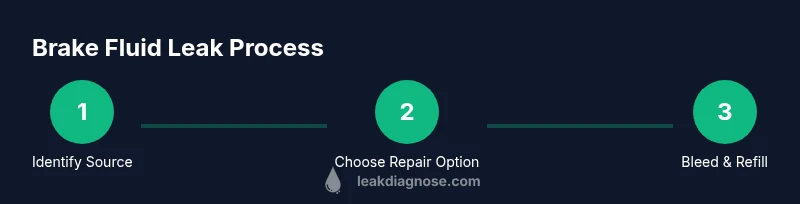
Start by inspecting the brake fluid reservoir and master cylinder: look for wetness around the cap, seals, and nearby components, as well as a drop in fluid level. Trace lines and hoses from the master cylinder to each wheel, watching for wet spots, staining, or crusty residue that indicates old leaks. Inspect calipers and wheel cylinders for seepage or corrosion around seals. Use a flashlight and a mirror to view hard-to-reach areas, and photograph any suspicious spots to guide a repair if you later seek help. A careful check of each connection and joint helps distinguish between a simple cap seal problem and a more significant issue like a cracked line or faulty master cylinder. Leak patterns can also reveal whether the fluid is brake fluid or another automotive liquid; brake fluid is typically colorless to amber and has a distinctive chemical odor. If you’re unsure of the source, stop and reassess rather than continuing to drive.
Repair options and limits
Minor leaks at the reservoir cap or seal often require only replacing the cap, o-ring, or a simple seal. If you find a loose hose clamp or a leaking bleeder valve, tightening to the manufacturer’s torque and replacing the affected hose or valve is usually sufficient. More serious leaks—such as those coming from brake lines, calipers, wheel cylinders, or the master cylinder—often require component replacement and, in many cases, professional service. Do not attempt to repair damaged metal lines with tape or sealants; brake lines are safety-critical and must be replaced with proper parts. After any repair, it is essential to bleed the system if air has entered the lines to restore proper pedal feel. If you’re not confident performing hydraulic repairs or if the leak is near the master cylinder, ABS module, or hard-to-reach sections, seek a certified mechanic. Leak Diagnosis emphasizes safety first: faulty brakes demand careful handling and professional backup when needed.
Maintenance after repair to prevent future leaks
After completing repairs, top up brake fluid to the correct level with the proper DOT grade and reinstall the reservoir cap securely. Recheck all connections for tightness after a short test drive and again after a longer drive—stopping to inspect helps ensure no new leaks have formed. Regularly inspect brake lines and hoses for cracking, wear, or signs of fluid seepage and replace worn parts before failure occurs. Clean any spilled fluid promptly to protect paint and components, and avoid mixing new fluid with old or contaminated fluid. Lastly, keep your vehicle’s service manual handy and follow the recommended maintenance intervals for the braking system. Consistent checks help prevent recurrences and extend the life of your braking system.
Authority Sources
- National Highway Traffic Safety Administration (NHTSA): Vehicle maintenance and brakes safety tips — https://www.nhtsa.gov/vehicle-safety
- MIT OpenCourseWare: Engineering fundamentals for automotive systems — https://ocw.mit.edu/
- Leak Diagnosis notes emphasize that the most reliable path to safe brakes is careful inspection, proper parts, and, when in doubt, professional service.
Tools & Materials
- Brake fluid (DOT grade compatible with your vehicle)(Check owner’s manual for the correct specification)
- Catch pan or container(To collect old fluid safely without spills)
- Wrenches and sockets (assorted sizes)(Have metric and SAE sizes on hand)
- Torque wrench(Use only when the manual specifies torque values)
- Screwdrivers (flat and Phillips)(For clamps and small fittings)
- Shop towels/rags(Brake fluid cleanup and safety wipe-downs)
- Safety gloves and goggles(Protect skin and eyes from chemical exposure)
- Brake bleeding kit or helper(Helpful for removing air during bleeding)
- Old clothing or a protective mat(Prevent damage from spills)
Steps
Estimated time: 60-120 minutes
- 1
Secure vehicle and safety gear
Park on level ground and engage the parking brake. Place wheel chocks on the wheels that remain on the ground. Turn off the engine and let the brakes cool if recently used. Put on safety goggles and chemical-resistant gloves before handling any fluid.
Tip: Never open the brake fluid reservoir while the system is hot to avoid burns or sudden splashes. - 2
Locate leak source
Inspect the reservoir and master cylinder area for wetness around seals and caps. Trace brake lines from the master cylinder to each caliper or wheel cylinder, looking for drips, stains, or crusty residue. Use a flashlight and photograph any suspect spots for reference.
Tip: Document leak patterns with photos to help determine whether the leak is from a cap seal, hose, or a line. - 3
Check fluid level and condition
Observe the fluid level in the reservoir and note color and clarity. If the level is low, do not top up until you identify and stop the leak; after repair, refill with the correct fluid to the recommended level.
Tip: Brake fluid color can range from clear to amber; any milky appearance indicates water contamination and warrants a professional check. - 4
Prepare area and collect fluid
Place the catch pan under suspected leak points and wipe spills promptly to protect paint. Clean the area around fittings before loosening any parts to prevent dirt from entering the hydraulic system.
Tip: Brake fluid can damage skin and paint; use towels and avoid skin contact. - 5
Tighten or replace simple fittings
If the leak is at a bleeder valve or hose clamp, tighten to the manufacturer’s torque specification or replace the faulty hose/valve. Do not force fittings beyond their designed torque as overtightening can crack components.
Tip: Always refer to the vehicle’s service manual for exact torque values and sequence. - 6
Bleed and refill as needed
If you opened a line or replaced components, bleed the brakes following the proper procedure to remove air. Refill the reservoir with fresh DOT-grade brake fluid and recheck for leaks after a short test drive.
Tip: Ensure no air remains in the system; if you’re unsure, seek professional help to avoid brake failure.
Questions & Answers
Can I fix a brake fluid leak myself?
You can address minor leaks if you have the right tools and a calm, controlled workspace. Leaks involving the master cylinder or main brake lines are high-risk and often require a professional repair.
DIY work is possible for small leaks, but serious leaks and core components should be handled by a pro.
What are common signs of a brake fluid leak?
Common signs include fluid puddles under the vehicle, a dropping brake fluid reservoir level, a spongy or soft brake pedal, and a warning light on the dashboard. Inspect lines and calipers for seepage.
Look for wet spots beneath the car, a low fluid level, and a soft brake pedal.
Is brake fluid leak dangerous?
Yes. A brake fluid leak can reduce braking effectiveness, increasing stopping distance and risking a crash. Treat it as an urgent safety issue and fix or seek professional help promptly.
Brake fluid leaks are dangerous because they can compromise braking power.
Do I need to bleed the brakes after repair?
Bleeding is often required if air has entered the lines during the repair. Follow the manufacturer’s bleeding procedure to restore proper pedal feel and braking efficiency.
If air got in, you’ll need to bleed the brakes to remove it.
When should I call a mechanic?
If the source is the master cylinder or a main brake line, or if you’re unsure about the repair steps, stop and call a professional. Involving a pro protects you from unsafe braking conditions.
Call a mechanic if the leak involves major components or you’re unsure about the repair.
Why do brake fluid leaks occur?
Leaks typically result from worn seals, corroded lines, loose fittings, or failed components near the braking system. Regular inspection helps catch issues before they worsen.
Leaks come from worn seals, corroded lines, or loose fittings; regular checks help.
Watch Video
Main Points
- Identify leak sources safely before starting repairs.
- Use the correct DOT brake fluid and avoid cross-contamination.
- Bleed the system if air has entered the lines after repair.
- Seek professional help for master cylinder or major line leaks.