Coolant Leak Repairs: DIY Guide for Homeowners
Learn how to detect, diagnose, and safely repair coolant leaks in your vehicle with practical steps, essential tools, and safety tips from Leak Diagnosis.


By following these steps, you will identify where coolant leaks originate, assess the leak’s severity, and safely complete a home repair for minor leaks. You’ll learn how to inspect hoses, clamps, radiators, and reservoirs, choose appropriate sealants or replacement parts, and verify the system is sealed and bled properly to prevent overheating.
Why coolant leak repairs matter
Coolant leaks are more than a nuisance; they threaten engine health and increase the likelihood of overheating. According to Leak Diagnosis, coolant leaks are a common issue homeowners can address with proper steps and precautions. The Leak Diagnosis team found that even small leaks can cause overheating, reduced cooling efficiency, and accelerated wear on hoses, seals, and the water pump. In vehicles and appliances with liquid cooling loops, early repair minimizes risk and saves money over time. Understanding where leaks originate helps you plan repairs and avoid unnecessary component replacement. Leaks may come from hoses, clamps, radiator tanks, reservoir caps, thermostat housings, or the pump. Before you start, mark symptoms, gather your tools, and set aside time for a thorough check. Establish a safe workspace, ensure the engine is cool, and assemble your gear to avoid spills. This foundation makes coolant leak repairs accessible for many DIYers, reducing the chances of heat-related damage and costly failures.
Common sources of coolant leaks
There are several frequent culprits behind coolant leaks. Hoses and hose clamps are often the most common source, followed by radiator seams or tanks, and the overflow reservoir cap. The water pump housing and the thermostat housing can develop cracks or gasket failures, especially after heat cycles. Heater core connections and auxiliary lines also contribute to leaks on some systems. A systematic visual inspection helps you narrow down the suspect areas. Look for wet spots, crusty residue around hose ends, and damp stains along seams. If you notice sweet-smelling puddles or discoloration on belts, it can indicate coolant mixing with oil or other contaminants, which requires professional assessment. Consistent checkups prevent minor drips from turning into major repairs.
Essential tools and safety gear
Before you begin, assemble the basics. Safety first: protective eyewear and gloves reduce risk from hot coolant and pressurized systems. Gather a drain pan, absorbent rags, a funnel, and fresh coolant compatible with your vehicle. Have replacement parts on hand if you detect a worn hose or damaged radiator component. A flashlight or headlamp helps you illuminate dark corners, while a drain plug key or pliers simplifies hose clamp removal. For testing, consider UV dye and a compatible UV light kit to confirm leaks that aren’t obvious to the naked eye. Keeping a clean, labeled container for used coolant is essential for environmental safety and easy disposal. With the right tools, coolant leak repairs become a straightforward, repeatable process.
Diagnostic steps to confirm a leak
Begin with a careful visual inspection of all cooling system connections when the engine is cold. Look for dripping or staining at hose ends, clamps, and valve housings. If no obvious leak is visible, use a pressure tester to pressurize the system briefly and observe loss of pressure or new wet spots. UV dye can reveal hidden leaks by emitting a bright glow under a black light, making it easier to pinpoint the exact source. Documenting the location and severity of each leak helps you decide whether a simple hose replacement is sufficient or if a more involved repair is required. When in doubt, a professional diagnosis ensures you’re addressing the right component and not masking a deeper issue.
Repair options: sealants, hoses, radiator, water pump
For small, non-structural leaks, sealants formulated for cooling systems can provide a temporary fix. However, sealants are not a long-term solution for all leak types. Replacing worn hoses, clamps, or radiator components is the most durable approach, while the water pump and thermostat housing may require gasket replacements. If the radiator core is damaged, a radiator repair or replacement becomes necessary. Always follow the manufacturer’s coolant specification and avoid mixing coolant types. When in doubt, replace corroded clamps and damaged hoses to restore a solid seal. After installation, carefully bleed the system to remove trapped air and check for any residual leaks.
Step-by-step repair scenario (home-friendly plan)
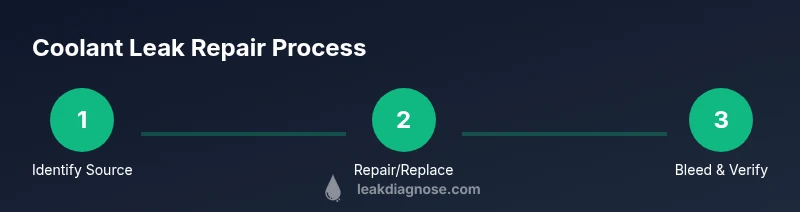
A practical approach begins with safely parking the vehicle, allowing the engine to cool, and defending the workspace with spill containment. Inspect for the leak source and determine if a hose swap, clamp replacement, or radiator seal is needed. Replace the faulty part, engage new clamps, and refill coolant to the correct level. After repairs, run the engine briefly and recheck for leaks while monitoring temperature indicators. Keep in mind that some repairs require professional tools and expertise; in those cases, consult a pro to avoid introducing air pockets or overheating risks.
Bleeding and refilling the cooling system
Bleeding removes air pockets that can cause hot spots and overheating. Start with the engine cool, fill the reservoir to the recommended level, and open bleed valves if present. Run the engine to operating temperature with the radiator cap off to release air, then recheck the level and top up as needed. Proper bleeding is crucial after hose work or radiator replacement. Use the correct coolant type and ratios as specified by the manufacturer, and never reuse old coolant beyond its service life. Proper bleeding ensures reliable cooling performance and reduces the chance of future leaks due to air pockets.
Safety considerations and when to call a pro
Working on cooling systems involves hot fluids, pressurized lines, and potential chemical exposure. Always wear eye protection and gloves, work in a ventilated area, and properly dispose of old coolant. If you notice persistent leaks after a repair, suspect a hidden issue, or lack the right tools, seek professional help. A trained technician can perform pressure testing, diagnose complex cooling system problems, and ensure the repair won’t cause subsequent overheating. Remember, incorrect bleeding or improper sealing can lead to engine damage, which is far more expensive than a professional inspection.
Preventive maintenance to reduce future leaks
Regular maintenance can dramatically reduce the risk of coolant leaks. Inspect hoses and clamps for signs of wear every 6–12 months, replace aging components proactively, and use the coolant type recommended by your vehicle manufacturer. Schedule periodic cooling system flushes when indicated by service intervals and check the radiator cap for proper sealing. If you notice a gradual drop in cooling performance or a persistent odor or steam, address it promptly. Proactive maintenance saves time, money, and headaches while extending the life of the cooling system.
Tools & Materials
- Safety glasses(Protect eyes from spills and splashes)
- Mechanic's gloves(Grip and hand protection)
- Drain pan(Capture used coolant; avoid spills)
- Rags or absorbent pads(Clean up leaks and spills)
- Coolant replacement (pre-mixed or concentrate with distilled water)(Match vehicle spec; prepare mix)
- Replacement hoses(Only if a hose is cracked or swollen)
- Radiator cap(Replace if cracked or hard to seal)
- Gasket sealant or gasket kit(Only for specific gasketed joints)
- Hose clamp pliers(Secure clamps quickly)
- Screwdrivers set(Remove clamps and fasteners)
- Pliers(Grip and manipulate fittings)
- Funnel(Carefully refill coolant)
- UV dye (optional)(Reveal hidden leaks with UV light)
Steps
Estimated time: 60-120 minutes
- 1
Prepare workspace and safety gear
Park on level ground, let the engine cool completely, and gather all tools. Place a drain pan beneath the area you expect to work. Put on safety glasses and gloves to prevent injuries from hot coolant or pressurized components.
Tip: Always work with the engine cold to avoid burns and scalding. - 2
Locate the leak source
Visually inspect hoses, clamps, radiator seams, and the reservoir. If no obvious drip, use UV dye and a black light or a pressure tester to pressure the system and observe for seepage.
Tip: Use a flashlight to catch small drips you might otherwise miss. - 3
Decide on repair method
Determine if a simple hose replacement suffices or if a gasket, radiator tank, or pump component needs attention. Consider the long-term reliability and cost when choosing between sealant and part replacement.
Tip: Avoid sealing a leaking radiator core with sealants as a permanent fix. - 4
Perform the repair
If replacing hoses, remove clamps, disconnect fittings, and install new hoses with fresh clamps. If replacing a radiator cap or gasket, follow the manufacturer’s torque specs and seating procedures.
Tip: Inspect surrounding components for wear while you have access. - 5
Bleed and refill the system
After reinstalling parts, fill the reservoir with the correct coolant mix and bleed the system to remove air pockets. Run the engine to operating temperature with the cap off, then recheck and top up as needed.
Tip: Never mix coolant types; flush if switching types. - 6
Test for leaks
With the engine at operating temperature, recheck the repaired area for leaks. Look for fresh dampness or droplets and monitor the temperature gauge to ensure proper cooling function.
Tip: Take a short drive and recheck after cooling down.
Questions & Answers
What are the most common signs of a coolant leak?
Common signs include puddles under the vehicle, white steam, a sweet smell near the engine, higher engine temperature, and a low coolant level on the reservoir. If you notice these, inspect hoses, clamps, and the radiator for potential leaks.
Look for puddles, steam, or rising engine temperature. Inspect hoses and the radiator for leaks.
Can I repair a coolant leak myself?
Many minor coolant leaks from hoses or clamps can be repaired at home with basic tools. More complex leaks from the water pump, radiator, or gasketed joints may require professional service to ensure safe operation and proper bleeding.
Some leaks you can fix at home; others need a professional, especially if the pump or radiator is involved.
Should I use sealant for a small hose leak?
Sealants can be a temporary fix for minor hose leaks, but they are not a substitute for replacing worn hoses or damaged components. Use sealants only as a short-term measure and replace the faulty parts promptly.
Sealants may help briefly, but replace the worn parts for a lasting repair.
How often should I bleed the cooling system after a repair?
Bleeding should be done once after completion of the repair and refilling, then rechecked after heat cycling. If air pockets reappear, repeat the bleed procedure and inspect connections again.
Bleed once after repair, then recheck after a short drive.
What if I can't locate the leak?
If the leak isn’t visible, use UV dye and dye tablets combined with a UV light or employ a professional pressure test to locate hidden leaks. Persistent leaks may indicate a more serious issue.
Use UV dye or a pressure test to find hidden leaks; seek professional help if needed.
Is it safe to drive with a coolant leak?
Driving with a coolant leak is risky because it can cause engine overheating and severe damage. If you detect a leak, minimize driving and arrange a repair promptly.
It’s not safe to drive long with a coolant leak; get it fixed soon.
Watch Video
Main Points
- Identify the leak source before replacing parts.
- Replace worn hoses and clamps for lasting fixes.
- Bleed the cooling system after repairs to prevent air pockets.
- Test thoroughly for leaks and monitor temperature after repair.