Roof Leak Repair: A Step-by-Step Guide for Homeowners
Learn how to locate, seal, and repair roof leaks safely. This comprehensive guide covers DIY fixes, safety practices, and when to hire a pro, with practical tips from Leak Diagnosis.


You will locate the leak source, assess its severity, and perform a safe repair or plan a professional intervention. This quick guide covers safety basics, common DIY methods, temporary sealing, and how to decide when to call a pro. By following these steps, you’ll reduce water intrusion and prevent further damage.
Why roof leaks happen
Roof leaks are usually caused by a combination of aging materials, weather exposure, and improper flashing or sealant. According to Leak Diagnosis, the most common culprits are damaged shingles, cracked flashing around vents and chimneys, and deteriorated sealant at joints. Seasonal storms, hail, and strong winds accelerate wear, especially on roofs with uneven surfaces or poor ventilation. Understanding these failure modes helps you prioritize repairs and avoid chasing symptoms rather than addressing root causes. When you spot water stains inside your attic or ceiling, trace them to the highest point you can access from above, then follow the path of water to its lowest point to identify potential entry spots. Early detection reduces the chance of wood rot, mold growth, and structural damage, and it makes the repair more straightforward and affordable in the long run.
Safety first: working on a roof
Working on a roof can be dangerous. Always prioritize fall protection, weather awareness, and proper footwear. Before you start, clear the area of loose debris, secure ladders, and use a buddy system if possible. If the roof surface is steep, wet, or damaged, postpone work and seek professional help. Wearing non-slip boots, a hard hat, and gloves reduces the risk of injury. If you must work in the attic, ensure electric power is off in the area to avoid shock hazards when inspecting insulation or electrical penetrations near leaks. Remember: consistent safety practices protect you and prevent further damage to the home.
Tools and materials you’ll need
Gather items before you set foot on the roof to minimize trips up and down. Essential tools include a sturdy ladder with stabilizing feet, a safety harness or rope, work gloves, a chalk line, a putty knife, a caulk gun, roofing cement or sealant (urethane or silicone), replacement shingles or flashing if needed, and a damp rag or sponge for cleaning. Optional but helpful: a heat gun for re-softening old sealant, a pry bar for lifting shingles, and a flashlight for inspecting gutters and underlayment. Using the right materials for your roof type (asphalt, metal, tile, or slate) prevents failed repairs and further leaks.
How to locate the leak source
Begin indoors by looking for stains, damp insulation, or warped drywall. Inspect the attic or ceiling along the suspected path of water, then climb to the roof to visually confirm entry points. On shingles, look for loose, curling, or missing pieces; around vents and chimneys, check flashing for gaps, rust, or corrosion. Water can travel laterally before dripping, so identify the highest point where moisture appears and work downward from there. Take photos or mark spots with chalk for reference. If you cannot locate a precise source, consider hiring a pro to perform moisture mapping to prevent guessing.
Temporary fixes that buy time
If active leaks persist, apply a temporary seal to slow water intrusion. Clean the affected area, then mask with painter’s tape around the leak to protect surrounding shingles. Apply a pea-sized bead of roofing sealant over cracks and frost-lrost-prone gaps, pressing firmly with a putty knife. For larger gaps or damaged flashing, use self-adhesive flashing tape as a temporary patch, ensuring it extends beyond the damaged area. Remember, temporary fixes are not a substitute for a proper repair and should be replaced with a permanent solution as soon as possible. Always avoid sealing over wet surfaces; moisture prevents proper adhesion.
Permanent repair options by roof type
Repair approaches vary by roof type. Asphalt shingles often require replacing damaged shingles and resealing edges with roof cement. Metal roofs may need resealing flashing and re-fastening panels to restore watertight seams. Tile and slate roofs demand careful removal of damaged pieces and replacement with matching materials. In many cases, damaged underlayment or flashing around chimneys, vents, or skylights must be replaced. If the roof deck is compromised, the repair becomes more complex and may involve replacing sections of sheathing. When in doubt, choose a repair that restores a continuous, watertight barrier and protects structural wood from moisture.
Flashing and waterproofing basics
Flashing is the primary defense against leaks where roof planes meet vertical surfaces. Inspect around chimneys, skylights, vents, and transitions to walls. Cracked, loose, or rusted flashing should be removed and replaced with new metal flashing, sealed with a high-quality sealant and mechanically fastened with corrosion-resistant nails. At joints, ensure a continuous seal that sheds water toward the surface and away from the interior. Replacing the sealant or applying flexible caulk can help, but the best long-term solution is proper flashing installation that resists wind uplift. For flat or low-slope roofs, use continuous membranes and proper drainage to prevent ponding water, which accelerates roof deterioration.
Maintenance to prevent future leaks
Regular roof inspections are your best defense against unexpected leaks. Schedule seasonal checks, especially after heavy rain or hailstorms. Clean gutters and downspouts so water flows freely, and trim overhanging branches that deposit organic debris on the roof. Check attic insulation and ventilation to prevent condensation and mold growth. Keep an eye on sealants around vents, skylights, and stacks and re-seal as needed with compatible products. A proactive maintenance plan saves money and avoids costly emergency repairs.
Verdict: practical guidance from Leak Diagnosis
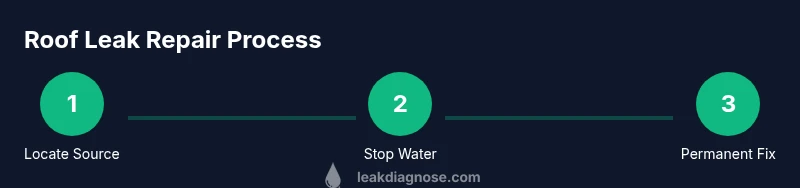
The Leak Diagnosis team recommends approaching roof leak repair as a phased project: identify the source, stop the intrusion safely, perform a code-compliant permanent fix, and then implement preventive maintenance. If the leak involves structural damage, poor flashing, or widespread water intrusion, seek a licensed professional. Align your repair with climate considerations in your area and document inspections for future reference. Leak Diagnosis’s practical approach emphasizes safety, durable materials, and a clear plan to minimize disruption and cost.
Tools & Materials
- Ladder with stabilizing feet(Extend to reach eaves; use on a stable, level surface)
- Safety harness or rope(Recommended for steep or high roofs)
- Work gloves(Protect hands and improve grip)
- Non-slip shoes(Secure footing on all roof surfaces)
- Putty knife and scraper(Use for removing old sealant)
- Caulk gun with roofing sealant(Choose urethane or silicone; color-match if possible)
- Roofing cement or sealant (temporary)(Use for quick, temporary stops)
- Replacement shingles or flashing(Needed if you find damaged pieces)
- Chalk line and markers(Mark cut lines and alignment)
- Bucket and sponge(Clean up and dry surfaces as you work)
- Flashlight or headlamp(Illumination for inspecting dark areas)
Steps
Estimated time: 4-6 hours
- 1
Assess safety and prepare the work area
Before you touch the roof, ensure weather conditions are safe, the ladder is stable, and you have fall protection. Put on your safety gear and clear the area of loose debris. Consider having a helper to stabilize the ladder and assist with passing tools. A calm, prepared start reduces risk and speeds up the repair.
Tip: Never work on a wet or windy roof; wet surfaces dramatically increase slip risk. - 2
Locate the leak source from inside
Inspect the attic for wet insulation or staining. Trace the moisture path to the highest point you can access from above. Inside stains often travel; start at the most recent water mark and work outward. Take photos for reference and plan exterior inspection accordingly.
Tip: Moisture paths can mislead; verify with exterior checks to confirm entry points. - 3
Inspect roof exterior for entry points
From a safe position on the roof, examine shingles, flashing, vents, chimneys, and joints. Look for cracked shingles, lifted edges, damaged flashing, rust, or sealant gaps. Use a flashlight to check under overhangs and around penetrations for hidden leaks.
Tip: Pay attention to corners and transitions; water often enters at these points first. - 4
Apply a temporary seal to active leaks
Clean the area and dry it thoroughly. Apply roofing sealant or cement to cracks and seams, pressing firmly with a putty knife. For larger areas, use flashing tape as an interim patch. This buys time until a permanent repair is completed.
Tip: Ensure the surface is dry before applying sealant for good adhesion. - 5
Repair or replace flashing where needed
If flashing is damaged or loose around vents or chimneys, remove old material and install new flashing. Seal all joints with compatible sealant and ensure metal edges overlap to shed water. Re-fastening with corrosion-resistant nails helps prevent uplift.
Tip: Flashing must create a continuous water-shedding surface; gaps invite leaks. - 6
Address damaged shingles or panels
Replace or reseal damaged shingles or roof panels. If you must cut shingles, use proper nailing patterns and avoid overdriving nails. For tilted edges, slide in a matching replacement and seal the edges to prevent future cracks.
Tip: Use matching materials to maintain the roof’s warranty and performance. - 7
Test the repair and monitor for leaks
After completing exterior fixes, monitor the area during a rain test or after a controlled drizzle. Check the interior ceiling and attic for new stains. Keep an eye on the repaired areas for several days to ensure durability.
Tip: A short test can reveal missed gaps you didn’t notice before. - 8
Plan for permanent improvements and maintenance
Create a maintenance schedule for seasonal inspections, gutter cleaning, and sealant refresh. Document repairs with photos and notes for future reference. Consider upgrading flashing or underlayment if your roof is older or was damaged by a storm.
Tip: Regular checks save time and money in the long run.
Questions & Answers
Can I fix a roof leak myself?
Minor leaks on a low-slope roof can often be addressed with basic tools and precautions. Larger issues, structural damage, or complex flashing should be handled by a licensed contractor to ensure safety and code compliance.
Small leaks can sometimes be fixed safely, but for bigger problems, hire a pro.
What safety gear do I need for roof work?
Wear non-slip boots, a helmet, gloves, and a safety harness if possible. Ensure the ladder is stable and used on solid ground. Never work alone on a steep roof.
Wear proper safety gear and have a buddy assist.
How do I tell if a leak is from flashing or shingles?
Inspect around vents, chimneys, and transitions for damaged flashing or sealant. Shingle problems show as cracked or curling shingles. Often, a leak is caused by a combination of issues.
Check around flashing first; damaged flashing is a common leak source.
How often should I inspect my roof?
Conduct a visual roof inspection after severe weather at least twice a year and after big storms. This helps catch issues before they cause major damage.
Inspect seasonally and after storms to catch problems early.
When should I call a professional?
If you suspect structural damage, extensive flashing problems, or if you cannot safely access the roof, hire a licensed contractor. They can perform a thorough assessment and ensure a code-compliant fix.
Call a pro if in doubt or if the roof is unsafe to access.
What maintenance prevents leaks long-term?
Regular cleaning of gutters, sealing cracked joints, and inspecting flashing help prevent leaks. Keep the attic ventilated and check insulation for moisture-related issues.
Maintenance and timely sealing prevent many leaks.
Is a temporary seal sufficient?
Temporary seals are only a stopgap. They protect interior spaces while you arrange a permanent repair and should be replaced with a proper fix as soon as possible.
Temporary fixes aren’t permanent—plan a lasting solution.
Will insurance cover roof leak repairs?
Coverage varies by policy and cause. Document damage and contact your insurer to understand what’s eligible, noting that wear-and-tear is typically excluded.
Insurance depends on your plan and the cause of damage.
Watch Video
Main Points
- Identify the leak source before repairs.
- Use safety gear and follow local codes.
- Temporary fixes buy time for proper, long-term solutions.
- Flashing and underlayment are critical to waterproofing.
- Maintenance prevents future leaks and costly damage.