How to Handle a Leak in Roof: A DIY Guide
A comprehensive, safety-first guide to locating, containing, and repairing roof leaks. Learn when to DIY, what tools to use, and how to prevent future water damage.


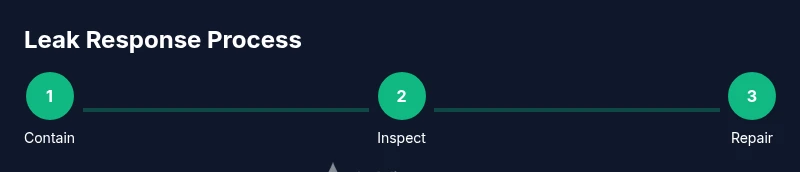
By following this guide, you will locate the source of a roof leak, contain water safely, and plan an effective repair. Start with immediate containment to protect your home, then identify the likely source from the attic or ceiling. Next, assess damage and decide between DIY fixes or professional help. This approach minimizes further harm and supports better outcomes. Having the right tools and safety gear is essential.
Why Roof Leaks Happen and Why Quick Action Matters
According to Leak Diagnosis, roof leaks start small and grow when ignored, often due to damaged flashing, lifted shingles, or clogged gutters. Left unchecked, moisture can travel into the attic, degrade insulation, and damage ceilings and paint. Understanding the common failure points helps you act quickly. Leak Diagnosis analysis shows that most interior leaks begin where the roof meets penetrations like chimneys, vents, and skylights, or at the flashing along valleys and edges. By treating the cause early, you reduce the risk of costly water damage and mold. This guide walks you through containment, locating the source, evaluating damage, and deciding between DIY fixes or professional help. Safety, planning, and documentation are your best allies when you encounter a leak in roof what to do.
I’ll share practical steps, checklists, and tips so homeowners can respond confidently. You’ll learn how to contain a leak during rain, inspect the attic without causing more harm, and decide whether a temporary patch or a full repair is needed. Throughout, expect clear safety reminders, tool recommendations, and real-world examples that reflect common roof configurations.
The approach here is designed for homeowners and DIY enthusiasts: approachable language, no spin, and actionable steps you can complete this weekend if you have the right weather window. If you’re unsure at any point, contact a licensed roofer for a professional assessment. The goal is to minimize damage now and prevent recurring leaks in the future.
Containment and Safety First
A roof leak demands rapid containment to minimize water damage. Start by identifying the most accessible drips and protect valuables in the affected room. Use a sturdy ladder and non-slip footwear if you must go up to the attic or roof edge. Wear eye protection and gloves, and avoid stepping on wet, slippery shingles. If rain is ongoing, place a waterproof tarp over the affected area and set up a bucket or basin to catch drips. Electrical outlets and electronics near the leak should be turned off or kept dry with protective covers to prevent shock hazards. Leak Diagnosis emphasizes that safety is non-negotiable and should be your first priority before attempting any repair.
Next, minimize exposure by closing doors to the area, moving furniture away, and laying down drop cloths to protect flooring below. Keep a log of dates and weather conditions, and take photos for insurance or records. If you suspect structural damage or mold growth, evacuate the area and consult a professional promptly. Quick containment buys you time to assess the scope of repairs without letting water cause more extensive damage.
Finally, limit further moisture intrusion by ensuring any open penetrations are temporarily sealed with roofing cement or silicone sealant from inside the attic if accessible. Do not rely on temporary fixes as a substitute for a proper repair; they’re only meant to slow leaks until you can properly address the root cause.
Locating the Source Without Causing More Damage
With containment in place, the challenge is locating the leak source without exacerbating damage. Start in the attic: look for dark streaks, damp insulation, or roof debris that indicates moisture movement. Note that water can travel along rafters and only visibly drip from a distant point, so trace the path backward to find the entry point. Check roof flashing around chimneys, vents, and skylights; damaged or loose flashing is a common culprit. Inspect valleys where two roof planes meet, as these are high-risk areas for leaks.
From inside, examine ceilings and walls for staining, bubbling paint, or soft spots—these often signal wood rot or hidden mold behind drywall. If you have access to the attic, shine a bright light toward suspected penetration points and look for gaps or compression marks in roofing felt. Remember to avoid stepping on fragile areas; walk only on joists or remaining roof decking. If you must, use a stabilizing board to distribute weight. Leak Diagnosis reminds homeowners to document every finding with photos and notes for later repairs and for conversations with roofing professionals.
Once you identify a probable entry, verify by gently applying pressure around the suspected area from the inside and watching for further dampness. If you must inspect the exterior, use a roof ladder or hire a pro—never crawl on a steep, wet slope.
Assessing Damage and Prioritizing Repairs
After locating the leak source, assess the extent of damage. Look for compromised shingles, missing nails, cracked flashing, and water stains on sheathing or insulation. If you detect mold, extensive rot, or structural sagging, treat this as urgent: a professional assessment is required. If the damage appears minor and localized, you can often implement a temporary fix while planning a permanent repair.
Prioritize repairs by stopping the water ingress first, then addressing interior damage to prevent mold and further drywall deterioration. Document interior damage with photos for insurance, and schedule a professional inspection if the attic shows compromised decking or persistent dampness beyond a single shingle area. Remember that moisture can spread behind walls, so don’t rely solely on surface observations. Leak Diagnosis notes that early intervention reduces the risk of expensive repairs and insurance claims later on.
For a temporary fix, consider applying roofing cement around the damaged area, using a piece of metal or heavy-duty patch if you can access the exterior under safe conditions. If you’re unsure about the extent of the damage, proceed with caution and contact a licensed roofer. A small leak in one area can signal a larger underlying issue that needs professional attention.
DIY Fixes vs Professional Help
DIY fixes are feasible for small, localized leaks in roofs with simple flashing or shingles, especially during dry weather and with proper safety gear. Many homeowners successfully reseal flashing edges, replace a few shingles, or apply roofing cement as a temporary measure. However, not all leaks are DIY-friendly. Complex valleys, chimney flashing, or rotted decking often require specialized equipment and experience. If you’re uncertain about the integrity of the roof structure, or if multiple leak points exist, consider enlisting a professional.
When deciding, weigh the risks: a failed DIY repair can lead to greater water intrusion and higher repair costs later. If your roof is older, or if you notice recurrent leaks after temporary patches, it’s prudent to schedule a professional assessment. Insurance considerations may also influence whether you attempt a DIY fix. The Leak Diagnosis team emphasizes balancing safety, cost, and long-term protection when choosing between DIY and pro repairs.
Pro tips include obtaining multiple quotes, asking for referrals, and confirming warranties on workmanship and materials. If the roof has architectural shingles or complex flashing, a pro may deliver a longer-lasting result with less risk of future leaks.
Preventive Steps to Avoid Recurrence
Prevention is the best defense against recurring leaks. Regular roof inspections, especially after storms, can catch issues early. Clean gutters and downspouts to prevent overflow, and remove debris that can trap moisture near the roof edges. Check flashing around chimneys and vents annually and after severe weather; reseal or replace damaged flashing as needed. Keep an eye on attic insulation for signs of moisture or mold; wet insulation loses effectiveness and can drive up energy costs.
Address any small leaks promptly to stop them from becoming bigger problems. Consider installing a rain diverter or gutter guards to reduce the chance of gutter blockages, and think about upgrading to more durable roofing materials if you live in a storm-prone region. Finally, maintain a basic maintenance schedule: one quick inspection every season and a more thorough check once a year. This proactive approach aligns with Leak Diagnosis guidance for sustainable roof health and helps homeowners avoid costly damage over time.
What to Do Right Now If You Have a Leak
If you discover water dripping inside your home, take immediate practical steps. Limit additional damage by placing a bucket under the drip, laying down tarps, and safely moving valuables away. If you can access the attic, temporarily seal the area from within using roofing cement or sealant on the exposed gaps. Avoid walking on a wet roof; wait for dry weather or call a professional to perform a safe exterior repair. Document the situation with photos and note weather conditions for insurance or contractor records. Finally, arrange for a professional roof inspection or repair as soon as possible to prevent longer-term damage.
Tools & Materials
- ladder (sturdy, rated for your roof height)(Extend at least 3 feet above the edge; have a spotter.)
- tarp or heavy-duty plastic sheeting(Large enough to cover the affected area plus pitch.)
- roofing cement or sealant(Exterior-grade, weatherproof.)
- roofing nails or appropriate fasteners(For securing patches from above or inside.)
- utility knife and/or scissors(Cut patch material and roofing felt cleanly.)
- gloves, safety glasses, and non-slip footwear(Personal protective gear for safety.)
- bucket, rags, and absorbent towels(Contain drips and dry surfaces.)
- flashlight or headlamp(Inspect dark attic corners and eaves.)
- pry bar and hammer(Useful for removing damaged shingles.)
- gutter scoop or stiff brush(Clear debris from gutters near the leak.)
- insulation sample bag or plastic bags(If insulation is damp, bag for disposal.)
- camera/phone for photos(Document damage for records and insurance.)
Steps
Estimated time: 2-6 hours
- 1
Secure area and stop water ingress
Move valuables away from the leak and set up a bucket or tarp to catch drips. If safe, lay down drop cloths and remove loose debris. Avoid stepping on wet shingles; only access the roof when conditions are dry or have a stabilizing platform.
Tip: Use a spotter and keep a log of the leak location and weather conditions. - 2
Gather tools and prepare safety gear
Collect the items from your toolsMaterials list and put on gloves, eye protection, and non-slip footwear. Check the ladder setup and ensure it is stable before ascending to the attic or roof edge.
Tip: Do not rush; double-check ladder stability and harness if available. - 3
Inspect attic for source signs
From the attic, trace moisture paths toward the suspected entry point. Look for flashing gaps, dark streaks, or damp insulation around penetrations like vents and chimneys.
Tip: Take photos of each suspect area from multiple angles. - 4
Contain and seal the immediate entry point
Apply roofing cement, sealant, or a temporary patch from inside/outside to slow water intrusion. If you must seal from inside, press firmly around gaps and let it set.
Tip: Temporary patches are stopgaps, not final repairs. - 5
Assess internal damage and plan repairs
Check for mold, stained drywall, or wet insulation. Decide whether to perform a DIY patch or hire a professional based on damage extent and roof design.
Tip: Document all findings for insurance and contractor estimates. - 6
Decide on permanent repair path
If the roof is simple and the damage limited, you may DIY a patch or shingle replacement. For complex flashing or structural concerns, obtain multiple quotes from licensed roofers.
Tip: Compare warranties and ask for references. - 7
Restore and monitor
Reinstall moved items, dry affected areas thoroughly, and monitor the area for new leaks after rain. Schedule a professional inspection if any recurring signs appear.
Tip: Keep a weather watch and check the area after storms.
Questions & Answers
What is the first step when I notice a roof leak?
The first step is to contain the leak and protect valuables. Place a bucket under drips, set up a tarp, and avoid walking on a wet roof. Then assess accessibility and safety before inspecting the attic or exterior.
Contain the leak first, then assess safety and inspect the attic for the source.
Can I fix a roof leak myself, or should I hire a professional?
Small leaks with simple flashing or shingles can often be fixed by an experienced DIYer. More complex leaks—especially around chimneys, valleys, or damaged decking—typically require a licensed roofer.
DIY is possible for simple fixes, but complex leaks usually need a pro.
How can I tell if a leak has caused structural damage?
Look for sagging roof sections, soft decking, or widespread mold and damp insulation in the attic. If you observe these signs, stop work and call a professional for a thorough inspection.
If you see sagging, rotting wood, or mold, get a professional assessment right away.
How long will a temporary patch last?
Temporary patches buy time but are not permanent solutions. Depending on weather and roof type, you may have days to weeks before a proper repair is needed.
Temporary patches are stopgaps and should be followed by a proper repair soon.
When should I call an emergency roofer?
Call an emergency roofer if there is active flooding, significant structural damage, or water near electrical sources. Safety comes first and a pro can secure the roof quickly.
If there’s active water, mold growth, or risk of collapse, call a pro immediately.
Watch Video
Main Points
- Contain the leak quickly to minimize damage
- Identify and document the source before patching
- Balance DIY fixes with safety and skill level
- Plan for a permanent repair and prevent future leaks