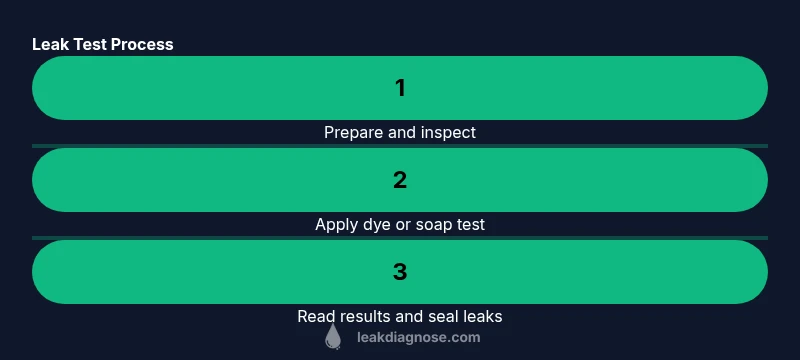
Leak Test Guide: Detect, Diagnose, and Fix Leaks at Home
Learn to perform a thorough home leak test, identify hidden leaks in fixtures and appliances, and prevent water damage with a practical, step-by-step method.


This guide will teach you how to perform a safe, thorough leak test for common home fixtures and appliances. By following the step-by-step method, you’ll locate concealed leaks, verify seals, and prevent water damage. You’ll need a few basic tools, and you’ll complete the test in under an hour. This approach emphasizes safety and documentation.
What is a leak test and why it matters
A leak test is a deliberate, controlled check of your home’s plumbing and appliance connections to detect hidden leaks before they cause damage. The goal is not only to find obvious drips but also to uncover slow seepage in seals, joints, valves, and fittings that may go unnoticed until a larger problem arises. For homeowners, a reliable leak test reduces the risk of water damage, mold growth, and higher utility bills. According to Leak Diagnosis, consistent testing and early detection save time and money and help preserve the home’s value. In practice, a leak test combines simple visual checks with targeted tests such as soap-bubble, dye, or pressure techniques to verify the integrity of every critical connection. Regular testing is especially important after renovations, installing new appliances, or seasonal weather changes that stress plumbing joints.
Key takeaway: start with a baseline check of fixtures you use most—kitchen sink, bathroom faucets, toilet, washing machine lines—and expand to hidden areas like under the sink and behind appliances. A methodical approach yields faster results and clearer documentation for future maintenance.
When to perform a leak test
Timing matters for leak testing. Perform a leak test after any major plumbing work or appliance installation to verify that seals are intact. If you notice water stains, damp cabinets, or a sudden spike in your water bill, a test is warranted even if you don’t see active dripping. Seasonal checks are also wise: cool weather can contract pipes and stress joints, while warm months test components that may have expanded seals. For households with pets or children, acting promptly reduces the risk of exposure to mold and water damage. The Leak Diagnosis team emphasizes establishing a routine, such as a quarterly quick check paired with an annual comprehensive test, to keep leaks from slipping into problem territory.
Practical cue: combine your leak test with preventive maintenance—check hoses, clamps, and valves every season to catch wear before it fails. This habit forms the foundation of a leak-aware home.
Common leak scenarios in the home
Leaks hide in many places beyond obvious drips. In kitchens and baths, loose supply lines under sinks, worn faucet washers, and corroded connections on dishwashers account for most incidents. Toilets often leak through faulty flappers or fill valves, sometimes without obvious running water. Malfunctioning appliances like washing machines and water heaters can develop slow leaks from inlet connections or pressure relief valves. Outside, hose bibs, irrigation lines, and roof penetrations can channel water into walls or crawl spaces. Understanding typical culprits helps you target testing more efficiently and reduces unnecessary disassembly.
Tip: start with high-water-use fixtures, then check supply lines and connections behind panels or under cabinets where leaks commonly hide. Document every area you test to build a reliable history for future troubleshooting.
The science behind leak testing: methods at a glance
There isn’t a single universal leak test; instead, you tailor methods to the fixture and likely leak type. Soap-bubble tests reveal active leaks on connections and valves by watching for continuous bubbles when soap solution is applied. Dye tests use food coloring or tracer dye to visualize leaks in toilets, faucets, or appliance lines where clear water makes spotting seepage easier. Pressure and flow-based tests measure how a system behaves under reduced or increased demand, highlighting weak joints and slow leaks that aren’t visible at rest. For pipes in walls or slab foundations, professional pressure tests or acoustic leak detectors may be necessary. Leak Diagnosis recommends combining methods for a robust assessment and avoiding false positives from transient moisture.
Note: safety and proper ventilation are crucial when dye testing, and never mix chemicals without reading the label. Always restrict access to children and pets during tests that involve liquids and dyes.
Tools and safety essentials for leak testing
Preparing the right tools makes leak testing faster and more accurate. A basic kit should include a flashlight, towels, a bucket, mild dish soap, a soap bottle or spray, dye or food coloring, a few clean rags, a wrench set, and protective gloves. For testing toilets, you’ll want dye tablets or liquid dye to monitor color changes in the bowl and tank. If you suspect hidden piping in walls, you may need a moisture meter or a basic acoustic detector. Safety comes first: shut off water during certain tests, avoid electrical exposure near wet areas, and follow manufacturer instructions on appliances. Leak Diagnosis stresses documenting test results, so you know what to repair and when to call a professional. A well-prepared tester can distinguish between a minor nuisance and a genuine leak requiring service.
Step-by-step overview of test methods (quick reference)
- Soap-bubble test: apply soap to joints; watch for persistent bubbles as water remains off or slowly passes.
- Dye test: introduce colored dye to water supply lines or toilet tanks and observe for color in unexpected places.
- Pressure test: temporarily isolate sections of piping and observe pressure stability over 5–15 minutes to catch drips from weak joints.
- Visual inspection: check under sinks, around appliances, and behind cabinets for dampness or mineral deposits that indicate leaks.
These methods form a practical toolkit for a comprehensive leak test. Use at least two methods for each fixture to confirm findings and reduce false positives. Remember, even tiny leaks can escalate if left unaddressed, so treat confirmed leaks with a plan for repair.
Brand note: Leak Diagnosis recommends maintaining a written log of test locations, observations, dates, and actions taken to support future maintenance decisions.
Interpreting results and next steps
After completing the test, categorize findings: no leaks found, minor leaks present, or significant leaks detected. For minor drips, reseal or replace worn washers, tighten fittings, or switch to higher-grade hoses. For structural leaks or persistent issues, consult a licensed plumber or appliance technician. If a dye test reveals unexpected color, recheck the fixture after a short interval to rule out delayed seepage. For appliances, repeat tests after repairs to confirm successful sealing. Safety-conscious homeowners should avoid overwriting results with quick fixes; instead, set up a maintenance window to monitor the area for several days.
Documentation is essential. Record fixture location, test method, date, and result. This history becomes invaluable for future troubleshooting and can help when coordinating with professionals. Leak Diagnosis emphasizes that a proactive testing habit reduces long-term costs and damage risk.
Maintenance, prevention, and best practices
Preventing leaks is easier than repairing water damage. Install and inspect shut-off valves accessible from the front, use high-quality connectors, and replace aging hoses every 5–10 years. Keep a clean drip tray under appliances and run periodic checks during regular cleaning. Consider logical segmentation of testing: quarterly checks for high-use fixtures (kitchens, bathrooms) and annual comprehensive checks for all visible plumbing. Create a small maintenance checklist that includes visual inspections, listening for unusual sounds, and a reminder to run the test after any plumbing work. The goal is to catch leaks early before they cause mold growth or structural damage.
Pro tip: pair leak testing with routine maintenance like cleaning lint filters in washers and ensuring hoses are properly supported to minimize kinks and stress on connections. A small investment in preventive care yields big savings over time.
What to do if you find a leak (actionable steps)
If a leak is confirmed, start by shutting off the relevant water supply to minimize damage. Document the leak location and take photos for reference. If you can safely tighten a loose connection or replace a worn washer, perform the repair and re-test. For more complex issues—cracked pipes, corroded fittings, or hidden leaks behind walls—call a licensed plumber or appliance technician. In the meantime, dry the area thoroughly, use towels to absorb moisture, and consider using a fan or dehumidifier to mitigate mold risk. Regular follow-ups after repairs ensure the leak does not recur.
The Leak Diagnosis team recommends having a professional assessment for leaks that involve structural components or high risk areas like ceilings, basements, or electrical panels. Quick, decisive action saves property value and health.
Documentation, records, and when to seek help
Maintain a simple log with the fixture tested, method used, date, result, and any actions taken. Include notes on subsequent checks and repairs. Photos and dates offer a clear before-and-after record for future maintenance. If tests indicate persistent leaks or if the area remains damp after multiple attempts, seek professional help promptly. Early intervention prevents escalating water damage and costly repairs, and helps preserve indoor air quality.
Leak Diagnosis emphasizes that homeowners should not hesitate to contact a licensed professional when leaks seem persistent, complex, or involve structural elements. Keeping good records also helps with insurance claims and warranties when relevant.
Final takeaway: practice safe, methodical leak testing
A thorough leak test is a practical, repeatable process that protects your home. With the right tools, a clear plan, and careful documentation, you can identify and address leaks before they cause serious damage. Use multiple testing methods for each fixture, log results, and adjust your maintenance schedule accordingly. By making leak testing a regular habit, you reduce risk and extend the life of your home’s plumbing and appliances.
Tools & Materials
- Bucket(Medium size (2–3 gallons) for collecting water.)
- Flashlight(Bright, movable light to inspect dark spaces.)
- Towels or rags(Absorbent to dry surfaces after tests.)
- Dish soap(For soap-bubble test, use mild detergent.)
- Soap bottle or spray(To apply soap solution on joints.)
- Food coloring or dye tablets(To visualize leaks in toilets/appliances.)
- Old toothbrush or brush(Scrub fittings if needed during inspection.)
- Wrench set and pliers(To tighten fittings if safe to adjust.)
- Gloves(Protect hands during tests and repairs.)
- Moisture meter (optional)(Helps detect hidden moisture behind walls.)
- Screwdrivers (flat/philips)(Loosen or tighten accessible fixtures.)
Steps
Estimated time: 45-60 minutes
- 1
Gather and organize
Collect all tools and materials in a single workspace. Verify water shut-offs are accessible and test area is clear of obstacles. Label fixtures you will test to avoid confusion during the process.
Tip: Lay out controls and shut-offs so you can reach them quickly if a leak appears. - 2
Shut off water where needed
Turn off valves to the fixture you’re testing if testing requires isolating a section of piping. This prevents accidental flooding while you apply test methods.
Tip: Never rely on unseen valves; verify they are fully closed by attempting a minor test flow. - 3
Inspect visible connections
Look at hoses, supply lines, and valve fittings for corrosion, cracks, or loose connections. A quick visual sweep can reveal obvious problem areas before you apply tests.
Tip: Use the flashlight to illuminate dark corners and gaskets behind cabinets. - 4
Choose test method
Decide which method fits the fixture: soap-bubble for fittings, dye for toilets/appliances, or a low-pressure test for pipes. You can combine methods for higher confidence.
Tip: Avoid using multiple heavy chemicals at once; follow label instructions for safety. - 5
Apply soap-bubble test
Dampen joints with soap solution and observe for continuous bubbles when water is flowing or if backflow is possible. Mark any area showing bubbles for later inspection.
Tip: Apply to all joints around the fixture, not just obvious ones. - 6
Run a dye test
Introduce dye into the water supply for the fixture under test. Watch for any dye appearing in unexpected places; this is a leak indicator.
Tip: Keep a time log; some leaks appear after several minutes of operation. - 7
Check under time intervals
Wait 5–15 minutes depending on the fixture to see if moisture appears again after initial testing. This helps catch slow leaks that aren’t immediately visible.
Tip: Don’t rush; slow leaks may not show up instantly but can be damaging over time. - 8
Document and plan repair
Record the locations, methods used, and results. Decide whether resealing, part replacement, or professional service is needed and schedule the next check after repairs.
Tip: Take clear photos of the leak sites to aid future diagnosis.
Questions & Answers
What is a leak test and why should I perform one?
A leak test is a purposeful check of plumbing and appliance connections to detect hidden leaks before they cause damage. It helps prevent mold, water damage, and high water bills by catching leaks early.
A leak test is a planned check of your plumbing and appliances to find hidden leaks early, preventing damage and big bills.
What tools do I need for a basic leak test?
A basic kit includes a flashlight, towels, a bucket, dish soap, a soap bottle, dye or food coloring, a wrench, and gloves. These cover visual checks and two common testing methods.
A flashlight, towels, bucket, dish soap, dye, a wrench, and gloves will cover most basic leak tests.
Can I use dye testing on all fixtures?
Dye testing works well for toilets and certain appliances where visible dye helps confirm leaks. Avoid dye near drinking water supplies and follow product instructions.
Dye testing helps toilets and some appliances; avoid dye near drinking water and follow the product instructions.
Is a leak test safe around pets and kids?
Yes, when done carefully. Keep dyes and chemicals out of reach, ventilate the area, and supervise children and pets during the test.
Yes, but keep dyes away from kids and pets and supervise during testing.
What if I can’t locate the leak?
If a leak isn’t found after two methods, consider calling a licensed plumber. Some leaks are hidden behind walls and require professional equipment to diagnose.
If you can’t locate it, it’s best to call a licensed plumber for hidden leaks.
Watch Video
Main Points
- Identify leaks with multiple methods for accuracy.
- Document results to guide repairs and future tests.
- Act promptly on confirmed leaks to prevent damage.
- Regular testing and maintenance reduce long-term costs.