Dye for Pool Leak Detection: A Practical DIY Guide
Learn how to use dye for pool leak detection safely and effectively. This guide covers dye choices, safety, step-by-step testing, interpretation of results, and when to seek professional help.


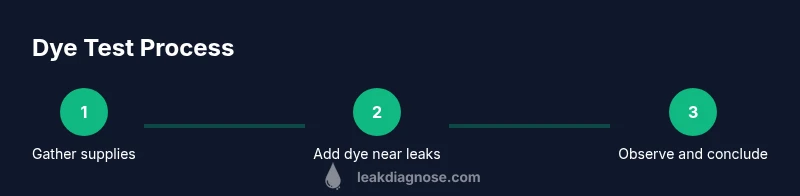
You can locate many small pool leaks by using dye that traces water movement. Gather a dye test kit, gloves, a measuring cup, and towels, and follow a simple test near suspected areas such as seals, drains, and liner seams. This DIY approach helps you pinpoint leaks before hiring a pro.
What is dye testing for pool leaks?
Dye testing uses a colored tracer to visualize water movement and identify where water is escaping a pool. For residential pools, homeowners typically choose a dye that is easy to see under daylight and, if possible, under UV light. Dye can reveal leaks around fittings, seals, and cracks by tracing where the colored liquid flows as the water circulates. According to Leak Diagnosis, dye testing is a practical first step for locating small leaks without expensive equipment, and it often helps distinguish between surface leaks and more serious structural issues. The concept is simple: release a tiny amount of dye near suspected areas and watch for movement that carries the color away from the pool surface. This method is non-destructive when done carefully and can guide decisions on repair scope and whether to call a professional for more complex fixes.
wordCount: 0
Tools & Materials
- Pool dye test kit (fluorescent or UV-reactive dye)(Choose a dye designed for leak testing; follow package directions for dosage and safety.)
- Gloves (nitrile or latex)(Protect hands from dye and pool chemicals.)
- Measuring cup or dropper(Use a small measure to dispense precise dye quantity (usually a few milliliters).)
- Towels or absorbent cloths(Contain minor spills and help keep the testing area clean.)
- Safety goggles (optional but recommended)(Protect eyes from splashes when handling dye.)
- Non-staining marker or tape(Record dye paths and mark suspected leak locations for later reference.)
- UV flashlight or black light (optional)(Enhances visibility of fluorescent dye in sunlit conditions.)
Steps
Estimated time: 60-120 minutes
- 1
Gather supplies and prepare the testing area
Bring together your dye kit, gloves, measuring cup, towels, and any optional safety gear. Clear around the pool area, remove toys, and ensure pets and children are kept away during the test. This step ensures you have everything you need and that the pool area is safe for dye handling.
Tip: Lay down towels to catch drips and set the dye kit on a stable surface within reach. - 2
Turn off or reduce circulation near suspected areas
If possible, temporarily turn off or limit the pump flow around the suspected leak zones (e.g., near fittings, skimmers, or lights). Slower water movement helps the dye trace stay localized and easier to interpret. Wait a few minutes for the water to settle before introducing the dye.
Tip: Reducing flow improves dye visibility and reduces confusion from rapid dye dispersion. - 3
Dispense dye near the suspected area
Use the measuring cup or dropper to release a small amount of dye adjacent to the suspected seam, plumbing joint, or fitting. Place the dye gradually to avoid flooding the area, which can spread color too quickly to interpret. Do not dump large volumes at once.
Tip: Aim for a steady, gentle release to create a visible trail without oversaturating the scene. - 4
Observe the dye movement closely
Watch for the dye to travel with the water flow. If color rapidly pools and disappears, recheck the area and look for dye entering cracks, seams, or around fittings. Maintain your observation for several minutes to distinguish a true leak from transient dye motion caused by jets or surface movement.
Tip: Keep notes or photos of dye movement to compare with later tests. - 5
Mark and verify potential leak paths
If you see dye moving toward a seam or joint, mark the location with tape or a marker so you can revisit it after restoration work or when performing a second test from another angle. Consider running another test from a different reference point to confirm the path and rule out jet-induced movement.
Tip: Compare dye paths from multiple test spots to validate the leak source. - 6
Document results and plan the next steps
Take clear photos or videos of the dye trail and the areas tested. Note the timing and any surrounding conditions (wind, sunlight, pool chemistry). Use this documentation to decide whether the leak is minor enough for a DIY patch or if you should contact a professional for a formal assessment.
Tip: Keep a log of test dates, dye types, and observed paths for future reference.
Questions & Answers
What should I do if I don’t see any movement after adding dye?
If dye shows no movement, it could mean there’s no active leak in the tested area or the leak is slow. Recheck after a longer observation period and verify that jets are properly off during the test. If unsure, perform another test from a different suspected area.
If you don’t see movement, recheck with a longer observation and consider testing another area to confirm whether a leak exists.
Is it safe to use any dye in a pool?
Use only dyes designed for pool leak testing. Garage or food coloring can stain surfaces and may not offer clear results. Always follow the product’s safety instructions and avoid dyes not intended for pool use.
Only use dye products designed for pool testing and follow the safety instructions on the label.
Can I test a vinyl liner pool the same way as a plaster pool?
Dye testing can work on vinyl liner pools, but dye behavior may differ near seams and liners. Be mindful of liner movement and avoid over-pressurizing the water. If in doubt, consult a professional experienced with vinyl systems.
Yes, but watch for liner movement and adjust expectations; consult a pro if you’re unsure.
How long should I wait after adding dye to observe results?
Observe for several minutes after dye introduction. Short bursts can be misleading due to jets or surface currents. Patience helps distinguish true leaks from transient dye motion.
Wait a few minutes and watch carefully; it helps tell true leaks from jet effects.
What if I find a leak? What are my options?
For minor leaks, some repairs may be DIY-friendly (sealant around fittings, patching). Larger cracks or structural issues typically require a professional assessment and repair. Always document findings before proceeding.
If you find a leak, assess whether it’s DIY-friendly or needs a pro; document what you saw.
Does dye testing replace professional leak detection?
Dye testing helps locate obvious leaks and guides repair planning, but it does not replace a formal professional assessment for structural or extensive leaks. Use it as a first step to inform your next actions.
Dye testing is a great first step, but for major leaks, a professional evaluation is advised.
Watch Video
Main Points
- Use dye to reveal leak paths around fittings and seams.
- Choose dye with clear visibility and follow safety guidelines.
- Interpret dye flow in the context of pool circulation to avoid false positives.
- Document results to guide repairs and when to seek professional help.