How to Use Leak Detection Dye to Find Hidden Leaks
Discover how to safely use leak detection dye to reveal hidden plumbing leaks and appliance drips. This guide covers dye types, safety steps, and interpreting color traces.


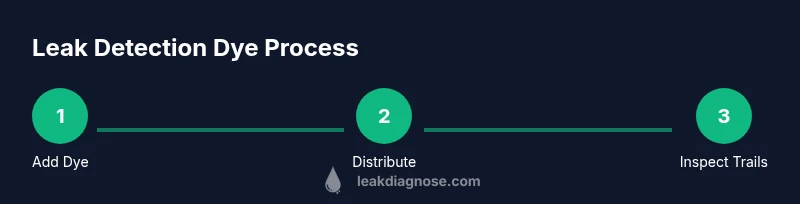
According to Leak Diagnosis, using leak detection dye helps locate hidden leaks by tracing dyed water through plumbing. Start with manufacturer-recommended dye, add to the water source, and run fixtures briefly. Inspect joints, traps, toilets, and appliance connections for the colored trail. Wear gloves and follow disposal rules and safety guidelines.
What is leak detection dye and when to use it
Leak detection dye is a colored tracer added to water or a system that then travels through plumbing lines. When a leak exists, the dye will escape with the water and reveal the leak's path by leaving a visible colored trail. This technique works well for hidden leaks behind walls, under sinks, or at appliance connections where a simple soap test won’t reveal following the liquid movement. The dye is typically non-toxic and available in premixed liquids or concentrated capsules; you should always follow the manufacturer's instructions for dilution, exposure time, and safety precautions. Common use cases include toilets, faucet supply lines, dishwashers, washing machines, and under kitchen sinks. In a typical household test, you will introduce the dye into the relevant water line, operate fixtures briefly to circulate the dye, and then inspect for color staining at joints, seams, or spots that are normally dry. If you spot dye near a joint, it indicates a leak and guides you toward the source. Remember that the dye tracing technique is a diagnostic tool, not a fix, and further repair steps may be required.
Dye types and safety considerations
There are several dye options for leak testing: premixed fluorescent dyes, concentrated dye tablets, and colored liquids sold for dye-testing. Fluorescent dyes can be easier to observe under normal light or with a UV flashlight. Always choose dyes labeled as safe for potable water and tested for household plumbing use. Read the label for dilution ratios and exposure times. Do not exceed recommended concentrations, as overdilution may lead to ambiguous results or staining on surfaces. Use gloves and eye protection when handling dyes, and keep dyes away from children and pets. After testing, wash hands and surfaces that may have touched dye. Store leftover dye in a cool, sealed container and dispose of any waste according to local guidelines.
Preparing your system and choosing the right dye
Before you begin, identify the fixtures you will test and confirm access to shutoffs. Review the product label to pick a dye appropriate for the material and water type in your system (copper, PEX, PVC; potable vs non-potable). Mix the dye if required according to instructions, and measure the correct amount with a clear cup. If testing a toilet, you may pour a small amount into the tank or the bowl, depending on the method recommended by the product. For supply lines, isolate the section to avoid cross-contamination and reduce background staining. Always perform a brief dry run in an inconspicuous area to confirm visibility and avoid over-application. A well-planned approach reduces troubleshooting time and increases the likelihood of a clear dye trail pointing to the leak source.
Practical scenarios: taps, toilets, appliances
In a faucet or kitchen sink, connect dye to the cold or hot supply line and run the faucet briefly; look for dye at the nut connections and under the cabinet. For toilets, observe the base and supply line, including the wax ring area, since dye can reveal leaks that are not obvious from the bowl alone. For refrigerators or dishwashers, apply dye to the water inlet and run a cycle; monitor hoses, clamps, and fittings for traces. In wall leaks behind cabinets, use a small flashlight to search for dye seeping through drywall joints or seams. In all cases, document the dye’s path with notes or photos so you can pinpoint the leak after repairs. Be mindful of the room’s surfaces; dye can stain wood and fabrics, so cover or protect as needed.
Reading results and planning next steps
Read the dye trail carefully, tracing it upstream to locate the leak origin. If you observe dye at a joint but not in obvious drips, recheck valve positions and fixture connections. Confirm results by repeating the dye test at a slightly different time of day or using a second dye type if permitted by the product. If no color shows up, consider alternative methods or review whether the dye was prepared correctly, the water flow was strong enough, or the dye’s surface area was adequately exposed. Once the leak source is found, plan repairs, shut off supply valves if needed, and consult a professional if the leak is near structural elements or critical infrastructure. Take photos and notes for reference during repair and when talking with a plumber or hardware store staff.
Cleanup and disposal best practices
After testing, wipe down any surfaces that have traces of dye, rinse fixtures to remove residual dye, and dispose of waste according to the dye label. If your dye is non-toxic and approved for household use, you can seal leftover solution and place it in the trash following local guidelines; otherwise, contact your local waste management program for disposal instructions. Rinse your tools and store them in a cool, dry place away from children. If dye has stained fabric or wood, treat the area promptly with mild detergent and water. Finally, reset any valves or devices you opened during the test and record your observations to inform future maintenance.
Tools & Materials
- Leak detection dye (potable water-safe)(Follow manufacturer concentration guidance; premixed or capsule forms)
- Measuring cup or syringe(Clear, with measurement marks)
- Gloves (nitrile or latex)(Protect skin from dye; disposable)
- Safety goggles(Eye protection recommended)
- Flashlight or UV light (optional)(Fluorescent dyes may require UV light for visibility)
- Paper towels or rags(For cleanup and blotting spills)
- Sealable bags or waste container(Dispose of used materials safely)
- Turn-off tool or valves key (as needed)(Isolate sections to avoid backflow)
Steps
Estimated time: 90-120 minutes
- 1
Identify test area
Locate fixtures you will test and ensure you have access to shutoffs. Mark potential leak points such as under sinks, behind toilets, and near appliance supply lines. This sets clear boundaries for the dye test and reduces unnecessary work.
Tip: Label test zones on a map of the area to keep notes organized. - 2
Prepare dye and fixtures
Read the dye label and mix if required, or ready premixed dye. Verify compatibility with pipe materials. Check that each fixture’s supply line is accessible without disassembling finished walls.
Tip: Do a small fresh test in a non-visible spot to confirm visibility before proceeding. - 3
Introduce dye to water source
Isolate the chosen section and introduce the dye according to the manufacturer’s instructions. Use a measuring cup for accuracy and avoid over-concentration that could obscure results.
Tip: Record dye amount and time of introduction for later reference. - 4
Run fixtures to distribute dye
Operate fixtures for a few minutes to circulate the dye through targeted lines. Avoid long runs that could create background staining; initial trails are your focus.
Tip: Keep lights on the area to help spot subtle color changes. - 5
Inspect for dye trails
Carefully inspect joints, connections, and seals for colored traces. Use a flashlight or UV light if dye is fluorescent. Photograph or take notes for documentation.
Tip: Check both visible and hidden joints (behind panels or under cabinets) if accessible. - 6
Confirm and plan repair
If dye reveals a leak, plan the repair step by step, including valve shutoffs, part replacements, or professional service as needed. Validate the fix by repeating the dye test after repairs.
Tip: Always verify that the dye trail is gone after repair. - 7
Cleanup and documentation
Wipe surfaces, rinse fixtures, and dispose of dye leftover per label instructions. Document the results with photos and notes to guide future maintenance.
Tip: Store remaining dye properly and keep a maintenance log.
Questions & Answers
Is leak detection dye safe for home use?
Most consumer dyes are formulated to be safe when used as directed, but you should wear gloves and eye protection and keep away from children and pets. Always follow the product’s safety guidelines and wash exposed surfaces after testing.
Leak detection dye is generally safe when used according to the label; wear gloves and eye protection and keep it away from kids and pets.
Can I use dye in a dishwasher or washing machine test?
Yes, some dyes are designed for appliance leak tests, but always check the label for compatibility with your appliance materials and follow the manufacturer's instructions. Do not mix with detergents or cleaning chemicals.
Some dyes are made for appliance tests; read the label and follow the directions for safe use.
How long should I wait after adding dye before inspecting?
Wait the time specified on the dye label, typically a few minutes to allow the dye to circulate. Avoid extended waits that could cause false positives from slow seepage.
Wait the time the dye recommends, usually just a few minutes, then inspect.
What if I don’t see any dye after testing?
Re-check dye concentration and distribution, ensure you tested the right section, and verify you observed under proper lighting. If needed, repeat with a higher, label-approved amount or a second dye type.
If you don’t see dye, double-check concentration and lighting, then retry carefully.
How should dye be disposed of after testing?
Follow the dye label’s disposal instructions. If the product is non-toxic and labeled for household use, seal and place in regular trash per local guidelines; otherwise contact waste management.
Dispose of dye as the label directs, typically with household waste for non-toxic products.
Can dye stain surfaces or fabrics?
Yes, dye can stain pores and finishes if spilled. Protect surfaces, wipe spills promptly, and avoid applying dye to porous or light-colored fabrics without testing first.
Dye can stain; protect surfaces and clean spills quickly.
Watch Video
Main Points
- Identify the likely leak path using a colored dye trail
- Choose dye type and concentration per manufacturer guidelines
- Observe and document dye trails before disassembling fixtures
- Retest after repairs to confirm leak is resolved
- Dispose of dye and cleanup safely and promptly