What to Do If a Leak Comes from the Flat Above
Learn practical steps to respond to a leak from the flat above, protect your home, document damage, and coordinate with landlords and pros. A clear, safety-focused guide from Leak Diagnosis.


According to Leak Diagnosis, you can minimize damage after a leak from the flat above by acting fast. Start by documenting the scene, notifying the upstairs neighbor or building management, and placing towels or a bucket to catch water. If safe, shut off the local water supply, check electrical safety, and begin drying and damage-control steps while you arrange professional repairs.
What to do if leak from flat above
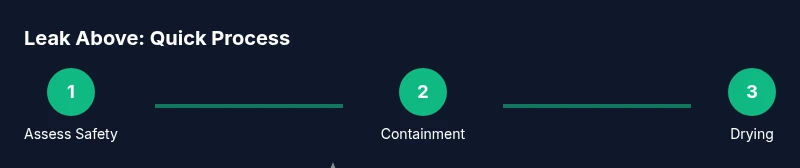
If you are asking what to do if leak from flat above, act quickly to limit damage and protect your safety. Start by ensuring you and others are safe; avoid contact with standing water near electrical outlets. Photograph the scene before moving items, and notify the upstairs neighbor or building management as soon as possible. If you can access the main shutoff valve for your unit without stepping into a wet area, turn it off to stop additional water flow. Check for obvious hazards like exposed wires or a buzzing breaker; if you see sparking or smell burning, move away and call emergency services. Once the immediate danger is addressed, begin immediate moisture control: place towels or a bucket under drips, block off the area with plastic sheeting, and start ventilating with fans placed at openings to promote air movement. Document everything with timestamps and keep a record of conversations with management. Remember, at this stage your goal is safety, containment, and documentation to support any future claims or repairs. Leak Diagnosis notes that prompt documentation improves claims processing and reduces confusion during restoration.
Containment and protection measures for your home
Soon after you confirm a leak from the flat above, shift focus to containment to minimize damage to walls, floors, furniture, and personal belongings. Move or elevate sentimental items and electronics to dry areas. Use plastic sheeting or old shower curtains to cover floors and protect stairs and doorways. Place towels, mats, or a large tray to catch drips, and set up a simple barrier to prevent foot traffic through soaked zones. If water is seeping into carpets, lift edges and place plastic beneath to slow absorption. Do not attempt to patch or chisel at the ceiling or walls; that's a job for a qualified professional. Maintain good ventilation, but avoid creating drafts that spread moisture to other rooms. Keep a running log of water flow, the time you noticed changes, and anything you do to slow the leak. Documentation is not only practical; it also helps with insurance claims and contractor estimates, a point repeated by Leak Diagnosis in its practical guidance for homeowners.
Safely identifying the leak source and communicating with neighbors
Identifying the source safely is important, but you should not put yourself at risk to locate a water line above. Look for signs like dripping from the ceiling, damp patches on walls, new stains, bubbling paint, or a ring of moisture around fixtures. Check if the water is clear or contaminated, and notice if there is a constant drip or a sudden surge after a neighboring flush or shower. Communicate with the upstairs neighbor or building management, sharing your observations and requesting a prompt inspection by a licensed plumber or building maintenance person. If you are in a managed building, document the communication with time stamps and keep copies of messages. In many cases, delays in contacting the right people lead to more damage; being proactive is key. Leak Diagnosis emphasizes that coordinating with the property owner or manager early improves the odds of a smooth restoration process and reduces the likelihood of disputes.
Drying, dehumidification, and moisture control techniques
Once you have containment and safety under control, the next step is drying and reducing moisture levels. Start by creating air movement with portable fans oriented to push air across the affected surfaces, and use a dehumidifier to lower humidity in the room. If possible, open windows on dry days to facilitate cross-ventilation, but be mindful of rain or humidity that could worsen the problem. Remove wet textiles and use plastic bins for soaked items to prevent mold growth. For ceilings or drywall, you may need to cut back visibly damaged sections later; in the meantime, keep the area as dry as possible. Use moisture meters or humidity gauges to monitor progress; aim to bring relative humidity to a level that discourages mold growth. If you notice persistent dampness after several days, contact a professional service, as prolonged moisture can create structural problems and mold risk.
Documenting damage for insurance and repair estimates
Thorough documentation speeds insurance claims and helps contractors prepare accurate estimates. Photograph all affected areas before and after you perform any mitigation; include wide-angle shots and close-ups of stains, bulges, or cracks. Note the date and time of each observation and describe the source you suspect, actions taken, and any changes you observe. Save damaged items for possible replacement considerations, and keep receipts for any materials you purchase, such as dehumidifiers or protective coverings. Create a simple timeline of events, including when you notified the upstairs neighbor, building management, and any professionals you contacted. If you have renter's insurance, review your policy for water damage coverage and required documentation. Leak Diagnosis recommendations stress the importance of organized records to speed claims and reduce back-and-forth.
When to call professionals and how to choose the right service
Not every leak requires the same response; large-volume leaks, ongoing seepage, or signs of structural damage should prompt professional involvement. Contact a licensed plumber to assess plumbing faults in the ceiling or walls and a water-damage restoration specialist to handle drying, mold prevention, and structural checks. If the leak is from above due to building plumbing, coordinate with your landlord or building management before initiating work to ensure access and liability coverage. Obtain written estimates and compare scope of work, moisture remediation plan, and estimated drying times. Check credentials, reviews, insurance coverage, and guarantees. When in doubt, get a second opinion from a reputable contractor. The goal is to restore safety, avoid secondary damage, and return your living space to a healthy condition. The Leak Diagnosis team recommends relying on licensed professionals for remediation and to avoid DIY fixes that could worsen mold or structural issues.
Tools & Materials
- Clean, absorbent towels(Absorb spills and protect surfaces)
- Buckets or large containers(To catch dripping water)
- Plastic sheeting or drop cloths(To cover floors and protect furniture)
- Masking tape/painter's tape(To secure plastic sheeting)
- Plastic bags(Disposal of damaged items)
- Flashlight(Inspect dark corners and ceilings)
- Disposable gloves(Hygiene and protection)
- Fans or air movers(Create air flow for drying)
- Dehumidifier(Control humidity in affected area)
- Moisture meter/hygrometer(Track moisture progress)
- Camera or smartphone for photos(Document damage with timestamped photos)
- Notepad and pen(Record actions and communications)
Steps
Estimated time: Total time: 2-6 hours for initial steps and setup
- 1
Assess safety and secure the area
Begin with personal safety. Do not enter wet areas with exposed wiring. If you notice sparking or burning smells, leave the area and call emergency services. Make a quick assessment of whether you can safely reach a shutoff valve or contact building staff without stepping into a flooded zone.
Tip: Prioritize human safety over sources of water; electrical hazards come first. - 2
Identify and stop active water flow (if safe)
If you can reach the main shutoff valve for your unit without stepping into standing water, turn it off to stop the leakage. Do not attempt repairs to pipes or fixtures yourself unless you are trained. After stopping flow, document the valve position for reference.
Tip: Only act on shutoffs you can reach safely; avoid climbing or wading into water. - 3
Contain and protect belongings
Move valuables to dry areas and cover soaked floors and furniture with plastic. Use towels to blot excess water and place barriers to limit cross-traffic through damp zones. Keep electronics away from moisture and unplug items if safe.
Tip: Containment minimizes secondary damage like mold and staining. - 4
Document the scene with photos and notes
Take timestamped photos of ceilings, walls, and damaged items from multiple angles. Record what you suspect caused the leak, who you notified, and any steps you’ve taken. This will support claims and help contractors accurately assess the damage.
Tip: Photos with dates accelerate insurance and repair processes. - 5
Drying and moisture control setup
Set up fans to circulate air across the affected surfaces and run a dehumidifier to reduce humidity. If weather permits, open windows to balance ventilation; otherwise maintain enclosed drying with controlled airflow. Monitor progress with moisture meters if available.
Tip: Aim for steady moisture reduction over the first 24-48 hours. - 6
Coordinate repairs and file claims
Contact licensed professionals for assessment and remediation. Gather written estimates, review scope of work, and confirm drying timelines. Notify your landlord or building management, and share your documentation to support the claim and repair plan.
Tip: Get written estimates and a clear remediation plan before any work begins.
Questions & Answers
What should I do first if I notice a leak coming from the flat above?
Act quickly: ensure safety, document the scene, notify the upstairs neighbor or building management, and attempt to stop the flow if you can do so safely. Then begin containment and drying while coordinating with professionals.
Act quickly—stay safe, document what you see, notify the right people, and start containment before calling a pro.
How can I tell where the leak originates?
Look for visible signs such as ceiling stains, damp patches, or new moisture around fixtures. Note whether the drip is continuous or intermittent and whether it correlates with upstairs activity like flushing or showering. If uncertain, involve a professional for a precise assessment.
Check for stains and drips, and observe any patterns that suggest an upstairs source; call a pro if unsure.
When should I involve the landlord or building management?
Notify your landlord or building management as soon as you discover the leak. They coordinate access for repairs and ensure liability coverage. Keep a written log of times and conversations.
Contact the landlord or building manager right away and keep a written record.
Is it safe to use electrical outlets during a leak?
No. Water and electricity is dangerous. If the area with the leak contains electrical risk, switch off the power to the affected zone only if you can do so safely, or wait for a professional.
Avoid any electrical work or use in the wet area; if safe, turn off power to the affected zone.
How long does it take to dry after ceiling leaks?
Drying time varies with humidity, materials, and air movement. It can take from several hours to multiple days for the area to feel dry and be mold-free if properly ventilated.
Drying depends on humidity and room size; it may take days to fully dry in some cases.
Do I need to hire a restoration company?
If the leak is large, ongoing, or risks mold or structural damage, it’s wise to hire a water-damage restoration specialist. Get written estimates and ensure they cover moisture remediation and mold prevention.
For big leaks or mold risk, hire a restoration specialist and get written estimates.
Watch Video
Main Points
- Act fast to minimize damage and protect safety
- Document and communicate with neighbors/building management early
- Containment and drying are essential before repairs
- Keep thorough records for insurance and contractor estimates
- Rely on licensed professionals for remediation and mold prevention