Plumber for Water Leak: Hire, Inspect, and Repair
Learn how to hire a plumber for water leak repairs, what to expect, and how to prevent future damage. This Leak Diagnosis guide covers evaluation steps, safety, and practical homeowner tips.


You will learn how to hire a qualified plumber for a water leak, what to look for before hiring, and a practical leak-detection plan. Key requirements include a clear description of the leak, relevant photos, access to shutoffs, and a realistic budget range. This guide helps homeowners move from problem to protection quickly.
What a plumber for water leak does
Water leaks can cause significant damage if left unchecked. A plumber for water leak specializes in locating hidden leaks, diagnosing the root cause, and performing repairs that stop the flow and protect your home. According to Leak Diagnosis, early detection and professional assessment reduce damage and cost. A licensed plumber uses specialized tools to trace leaks behind walls, under slabs, or inside fixtures, then selects repair methods appropriate to the material and layout of your plumbing system. The right professional will explain the problem in plain terms, outline options, and provide a safety-focused plan that prioritizes minimizing disruption. In many cases, leaks are not isolated to a single pipe; they involve connections, seals, or appliances. A thorough assessment can reveal secondary issues such as corroded shutoffs or damaged valves that, if left unattended, will keep causing trouble. The goal is not only to fix the current leak but to prevent repeat incidents and water damage in the future.
Signs you may need a plumber for a water leak
- Visible water pooling, damp spots, or increased humidity in unusual places
- Unexplained increases in your water bill
- Sound of running water when all fixtures are off
- Cracked or moldy walls or ceilings indicating concealed leaks
- Inaccessible or unreliable shutoffs that impede quick action
By recognizing these indicators early, homeowners can prevent extensive damage and accelerate the repair process. Leak Diagnosis emphasizes documenting the scene and keeping notes on when the leak occurs, so the plumber can diagnose more efficiently. A professional assessment also reduces the guesswork that can lead to improper fixes or repeated calls for service. Seek a contractor who explains findings with photos or diagrams and provides a transparent plan for repair and prevention.
How to evaluate a candidate plumber for water leaks
Choosing the right plumber is as important as the repair itself. Start by verifying licensing and insurance, then review recent client references and any online ratings. Look for experience with water-leak repairs, fixture replacements, and pressure testing. Ask about the equipment they use, such as infrared cameras, acoustical listening devices, and pressure-test methods, which help pinpoint leaks with minimal disruption. Request a written estimate that itemizes parts, labor, and any warranty terms. Ensure the plumber can explain the cause of the leak and propose a realistic scope of work, including potential upgrades to prevent future leaks. Evaluate communication: prompt responses, clear explanations, and a detailed timeline matter just as much as price. Leak Diagnosis notes that licensing and insurance are non-negotiable for safety, especially when work involves gas lines or electrical proximity.
Pricing, scope, and warranty expectations
Pricing for water-leak repairs can vary widely depending on access, severity, and the required repair method. Expect a range from a basic assessment or small fix to more involved pipe replacements or slab work. A reputable plumber should provide a written scope of work with a clear estimate, potential contingencies, and an estimated timeline for completion. In addition, discuss warranties on both parts and labor. A strong warranty demonstrates confidence in the repair and reduces the risk for you as a homeowner. When evaluating quotes, compare not only price but also the thoroughness of the diagnosis, the materials proposed, and the plan for preventing future leaks. The Leak Diagnosis team recommends opting for a provider who offers a clear warranty and favorable aftercare options so you have recourse if the leak recurs.
Step-by-step hiring and on-site process
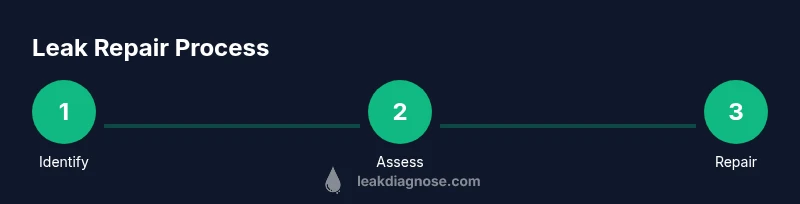
Hiring a plumber for a water leak can be understood as a sequence of concrete actions, not a single moment. First, research and shortlist candidates with local reputations and verified licenses. Then, contact them with a concise description of the leak, including location, symptoms, and any photos you’ve taken. After receiving written estimates, select a provider with the best balance of price, transparency, and warranty terms. On arrival, the plumber should inspect the system, confirm the leak source, and present a detailed repair plan. If you approve, they will begin the work, keep you updated on progress, and document any parts replaced. Finally, after the repair, request a test run, review the results, and obtain a written confirmation of completion and warranty coverage. This process minimizes miscommunication and ensures you know exactly what to expect at every stage.
Safety considerations and common pitfalls
Water leaks can involve electrical safety risks and potential mold growth if not handled properly. Always shut off power to the affected area if water is near outlets or electrical devices until a professional verifies it is safe. Avoid DIY fixes that involve gas lines or complex pipework beyond your comfort level. Common pitfalls include underestimating the leak’s scope, selecting the lowest-cost option without warranty, and delaying repairs which can amplify damage. Engage a licensed plumber who is clear about the cause, offers a written plan, and provides a warranty on parts and labor. Documentation helps you track repair history, future maintenance schedules, and potential upgrades to bolster the system’s resilience.
Maintenance tips to prevent future leaks
Prevention is more effective than repeated repairs. Schedule regular inspections of visible pipes, fixtures, and shutoffs. Replace worn seals and gaskets before they fail, and consider upgrading to corrosion-resistant materials in high-humidity areas. If your home has old plumbing, plan a phased upgrade to reduce the risk of sudden breaks. Keep a simple maintenance log, noting dates of inspections, warnings, and any replacements. This record helps both you and future occupants recognize patterns and plan ahead. A proactive approach, combined with professional guidance, can significantly extend the life of your plumbing system.
Long-term care and homeowner empowerment
Empowering homeowners with knowledge about their plumbing helps prevent costly disasters. Learn how to shut off the main water supply quickly, identify signs of hidden leaks, and understand when to call a professional. Pair this knowledge with a trusted local plumber who can respond promptly and provide ongoing maintenance services. The goal is not only to fix the current problem but also to build resilience against future leaks. The Leak Diagnosis team emphasizes education, proactive maintenance, and reliable service providers as the foundation for safer, leak-free homes.
Tools & Materials
- Adjustable wrench(Essential for loosening fittings and fixtures)
- Pipe cutter(For copper or PVC pipe cuts)
- Teflon tape (PTFE)(Wrap clockwise on threads to seal)
- Pipe joint compound / pipe dope(Use where threads meet to seal)
- Measuring tape(Measure pipe length and distances)
- Flashlight or headlamp(Inspect dark or hidden areas)
- Bucket, towels, and rags(Containment for minor spills)
- Leak detector tool or infrared camera (optional)(Helps locate hidden leaks)
- Safety gloves(Protect hands during inspection and repair)
Steps
Estimated time: 2-6 hours
- 1
Identify and document the leak
Inspect the area thoroughly to locate the source. Take clear photos from multiple angles and note when the leak occurs. Record the approximate extent and affected areas to help the plumber assess scope.
Tip: Take photos under different lighting and include the nearest shutoff valve for quick reference. - 2
Shut off water supply and drain lines
If the leak is severe or you can safely access the main shutoff, stop water flow to prevent further damage. Open faucets to drain residual water and relieve pressure in the lines before work begins.
Tip: Know the location of your main shut-off and ensure everyone in the home is aware of the plan. - 3
Assess whether DIY fixes are feasible
Evaluate if the issue is a simple fixture seal or a minor valve replacement you can handle with basic tools. Avoid complex repairs behind walls or under slabs unless you are trained.
Tip: If you see corrosion, persistent moisture, or suspect gas or electrical proximity, call a plumber rather than DIY. - 4
Prepare for the plumber visit
Clear access to the area, collect leak details, and have photos ready. Write down model numbers of relevant fixtures and note any recent repairs.
Tip: Provide the plumber with a list of symptoms, locations, and any past leaks to speed diagnosis. - 5
During the visit: verify scope and options
Ask for a licensed assessment, a written scope, and a transparent estimate. Discuss material choices, anticipated downtime, and warranty coverage.
Tip: Request a detailed written estimate before any work starts. - 6
Post-repair testing and maintenance
Once work is complete, perform pressure tests and run water to confirm no leaks. Observe for 24–48 hours and keep notes for future maintenance.
Tip: Keep a simple maintenance log and schedule annual checks.
Questions & Answers
What qualifications should I look for in a plumber for water leaks?
Look for a licensed plumber with experience in leak detection, pressure testing, and fixture repair. Check insurance coverage and ask for recent client references. A clear warranty on parts and labor is a strong sign of confidence in the work.
Look for a licensed plumber with leak-detection experience, insurance, references, and a solid parts-and-labor warranty.
How much does it cost to fix a water leak with a plumber?
Costs vary by leak location and repair complexity. Expect a written estimate detailing parts and labor, plus any potential contingencies. Compare quotes and consider warranty terms to avoid hidden charges.
Costs vary by location and complexity; get a written estimate and compare warranty terms before proceeding.
Can I fix a leak myself or should I hire a plumber?
For most hidden leaks or those involving walls, slabs, or gas/electrical proximity, hiring a licensed plumber is safer and more reliable. Simple fixture leaks might be DIYable, but verify you have the right tools and knowledge.
Hidden leaks often need a pro; simple fixture leaks may be DIY if you’re sure what you’re doing.
What should I prepare before the plumber arrives?
Clear access to the leak area, have photos and notes ready, list of suspected sources, and your preferred times. Ensure pets and clutter won’t hinder the work.
Clear access, photos, notes, and a quick-leak log ready. Clear a path and keep pets away.
How long does a typical leak repair take?
Repair duration depends on leak location and complexity. Minor fixes may take a few hours; more extensive pipe replacements can take longer and may require follow-up visits.
Most fixes take a few hours, while major pipe work may require more time.
What are signs of hidden leaks I should watch for?
Persistent dampness, musty odors, mold growth, unusual sounds of running water, or unexplained moisture behind walls indicate possible hidden leaks.
Damp spots, mold, or musty smells can signal hidden leaks behind walls.
Watch Video
Main Points
- Document the leak before hiring.
- Verify license, insurance, and references.
- Get a written estimate and warranty.
- Prepare access and shutoffs before work.
- Test the repair and monitor for leaks afterward.