How to Stop a Leak from the Ceiling
Learn a safe, step-by-step method to stop a ceiling leak, protect your home, and plan permanent repairs with expert tips from Leak Diagnosis.


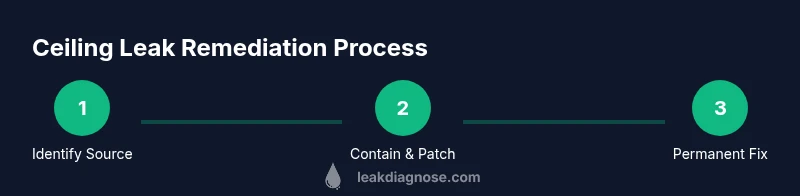
How to stop a leak from the ceiling begins with quick containment and source identification. If you can access the water shutoff safely, turn it off to prevent further damage. Then apply a temporary seal and plan for a permanent repair. According to Leak Diagnosis, homeowners who act fast curb water damage and simplify late-stage fixes. This guide provides a safe, step-by-step approach to stop the leak and protect your home.
How to stop leak from ceiling: Common causes
Ceiling leaks come from several potential sources, and understanding them helps you choose the right repair path. Roof damage, especially after a storm or over time, is a frequent culprit. Plumbing lines or joints in the attic or space above the ceiling can also leak, particularly if a pipe freezes, bursts, or corroded connections exist. HVAC condensate drains and bathroom lines running through the attic can contribute, especially in warm, humid climates. By tracing the stain or drip to its origin, you can decide whether a roof repair, plumbing fix, or HVAC repair is needed. According to Leak Diagnosis Analysis, 2026, most ceiling leaks originate from roofing or plumbing issues, so prioritizing these sources reduces the chance of recurring leaks. Keep in mind that multiple leaks may share a single source, so a careful inspection is essential for a lasting solution.
If you suspect structural damage or mold growth, treat it seriously and adjust your plan accordingly. Quick, prudent action protects your home and prevents costly water damage in walls, insulation, and floors.
Immediate safety steps and temporary containment
When a ceiling leak happens, safety comes first. If water is actively flowing and you can safely reach a shutoff valve, turn off the water supply to the affected line. Do not attempt to shut off electricity at a panel while standing in water; if you must, have a nonconductive path or a professional handle it. Move valuables and furniture away from the leak, place a bucket or basin under the drip, and lay down towels or a tarp to catch cascading water. If the leak is severe, evacuate the area and call emergency services for electrical or structural hazards. Use plastic sheeting or a drop cloth to contain moisture on the floor and to prevent secondary damage to ceilings, walls, or belongings. Document the leak with photos for insurance and repair records.
These initial steps minimize damage and give you time to plan a proper fix, while preventing slip hazards and electrical risks.
How to locate the source of a ceiling leak
Tracing the source requires a methodical approach. Start by inspecting the ceiling from below for staining patterns, running water, or dampness. If you have access to an attic, look for damp insulation, wet joists, or dripping pipes above the leak area. Check joints, valves, and the drainage lines for moisture, even if the stain is not directly above the damage. A flashlight can reveal dark moisture trails or mineral deposits indicating active leaks. If you cannot access the space above safely, consider seeking professional assistance to avoid disturbing hidden materials or compromising insulation. Remember that the source might be several feet away from the visible stain, so a broad search can help identify a hidden problem.
Temporary repair options you can perform now
Temporary fixes buy time while you plan a permanent repair. Start with a clean, dry area; remove any soaked drywall or insulation if necessary to prevent mold growth. Apply a temporary seal or patch to slow or stop active flow: use epoxy putty or a patch kit designed for wet surfaces, then cover with a thin layer of waterproof sealant or caulk. For rain-related roof leaks, weigh the option of tarping the roof to protect the interior while you arrange a professional repair. In bathrooms or kitchens, use duct tape and waterproof sheeting to direct water into a container until a proper fix is in place. Keep updates on weather and monitor the area for ongoing leakage.
Note that temporary repairs are not permanent and must be followed by a professional assessment to address the root cause.
Permanent repair paths depending on the source
Permanent repairs vary by origin. Roof leaks often require replacing shingles, re-flashing, or addressing underlying structural damage; this work should be done by a licensed contractor to ensure proper weatherproofing and compression at joints. Plumbing leaks may involve replacing damaged fittings, pipes, or valves, checking neighboring fixtures for corroded connections, and ensuring proper slope to drains. HVAC-related leaks typically involve clearing condensate lines, cleaning drip pans, and repairing any damaged ductwork or pans. In all cases, plan for proper drying, mold prevention, and ventilation after repairing. If you’re unsure, a two-step approach—temporary containment followed by a professional assessment—reduces risk of recurrent leaks and ensures lasting protection.
When to call a professional
Call a licensed plumber for plumbing leaks or if you find water stains extending beyond the obvious area. If the source appears to be the roof or attic structure, a roofing contractor is often the best option. For complex cases, a general contractor with leak remediation experience can coordinate multiple trades. If you notice warping, mold, or electrical exposure, stop work and contact professionals immediately. A precise assessment reduces the chance of returning leaks and ensures that the repair complies with local codes and safety standards.
Preventing ceiling leaks in the future
Preventing leaks requires ongoing maintenance of roofs, pipes, and drainage systems. Schedule regular roof inspections, especially after storms or freezing conditions; clean gutters and downspouts to prevent water from backing up into the attic space. Insulate exposed plumbing in the attic to prevent freezing, and install drip pans under HVAC equipment to catch condensate before it reaches ceilings. Improve attic ventilation to reduce moisture buildup, and seal joints and flanges properly. Landscaping should slope away from the home to keep rainwater from pooling above the roof line. Regular checks help catch early signs of wear and avoid costly repairs down the road. The Leak Diagnosis team recommends routine maintenance to minimize surprises and preserve your home's integrity.
Quick DIY repair checklist
- Identify source and shut off water if safe.
- Protect valuables and keep area dry with towels and plastic.
- Dry the space and remove soaked materials to prevent mold.
- Apply a temporary seal or patch to the visible leak.
- Plan for a permanent repair with a licensed professional.
- Inspect after repairs and monitor for signs of moisture.
Tools & Materials
- Flashlight or headlamp(A bright light helps inspect attic/ceiling crawl spaces)
- Ladder or stable step stool(Ensure stability and have a helper if possible)
- Plastic sheeting or heavy-duty drop cloths(Contain water and protect flooring)
- Buckets, towels, old rags(Catch drips and control moisture)
- Putty knife(For smoothing temporary patches)
- Epoxy putty or plumber's epoxy(Create a watertight temporary seal)
- Waterproof caulk or sealant (silicone/elastic)(Seal patches to reduce leakage)
- Utility knife(Cut through damaged drywall or insulation)
- Roofing cement or tarp (for roof leaks)(Temporary protection for roof leaks)
- Moisture meter (optional)(Assess moisture levels after drying)
- Gloves, safety glasses(Personal protection during inspection and repair)
- Sealant tape (waterproof)(Quick stop-gap on exposed joints)
Steps
Estimated time: Estimated total time: 4-8 hours for initial DIY steps (including setup and temporary patch). Dry-out and permanent repairs may require 1-3 days depending on area.
- 1
Stop the water flow safely
If you can reach a building shutoff valve, close the valve to stop active water from feeding the leak. If the ceiling leak is due to a roof or external source, prioritize containment without entering unsafe areas. Once the water is off, check that circuit breakers nearby are de-energized before touching any wet surfaces.
Tip: If you cannot reach the shutoff safely, proceed with temporary containment only and call a professional for the shutoff. - 2
Protect the area and belongings
Move furniture away, lay down plastic sheeting, and place a bucket under the drip to minimize damage. Remove valuables from the immediate area and cover electronics with plastic to prevent short circuits.
Tip: Take photos before moving anything for insurance documentation. - 3
Locate the source (safely)
From below, identify visible stains and drip patterns. If you can access an attic or space above the ceiling, look for damp insulation, discolored joists, or dripping pipes. Document findings with notes or photos.
Tip: Use a flashlight to illuminate dark corners and check joints where moisture travels along framing. - 4
Dry and assess the area
Remove soaked drywall or insulation if necessary to prevent mold and odor. Ensure the area is as dry as possible before applying any patch. A moisture meter can help confirm dryness before proceeding with sealing.
Tip: Ventilate the area with a fan if available to speed up drying. - 5
Apply a temporary seal
Mix epoxy putty and press it over small cracks or drips. For larger gaps, apply a patch with waterproof caulk and secure it with a temporary backing if needed. This is a stop-gap, not a final fix.
Tip: Work quickly before the putty cures; clean any residue with a damp cloth after shaping. - 6
Plan for permanent repair
Consult a licensed plumber or roofing contractor to address the root cause. Prepare questions about warranties, required dry-out time, and any permits. Schedule a follow-up assessment to verify the leak is fully resolved.
Tip: Collect multiple quotes if multiple trades are involved to compare approaches.
Questions & Answers
What should I do first when I notice a ceiling leak?
Identify the source if possible, protect valuables, and shut off the water supply if you can access the shutoff safely. Avoid electrical hazards and document damage for insurance.
First, try to locate the source, protect belongings, and shut off the water if safe. Be mindful of electrical hazards and document the damage.
Can I temporarily fix a ceiling leak myself?
Yes, you can perform temporary patches to slow water flow, but this is only a stop-gap while you arrange professional repairs. Do not rely on temporary patches for long-term damage control.
Temporary patches can slow the leak, but they’re not a full fix. Plan a professional repair as soon as possible.
When is it necessary to call a professional?
Call a licensed plumber for plumbing leaks or a roofing contractor for roof-related leaks. If the area is large or mold is present, consult a general contractor for coordinated remediation.
Call a licensed plumber or roofer depending on the source; mold or large areas require a pro.
How long does a ceiling leak repair typically take?
DIY containment and temporary sealing can be completed in hours. Permanent repairs depend on the source and may require scheduling with professionals, drying time, and possible structural work.
DIY steps can be done in hours, but full repairs depend on the source and may take days.
How can I prevent ceiling leaks in the future?
Maintain roofs and gutters, insulate attic plumbing, and ensure proper attic ventilation. Regular inspections help catch issues early and reduce long-term damage.
Keep up with roof and gutter maintenance, attic insulation, and regular inspections to prevent leaks.
Is it safe to re-enter an attic after a leak is detected?
Only after the area has dried and electricity is confirmed safe. If you’re unsure, wait for a professional assessment before re-entering.
Wait until the area is dry and safe; if unsure, have a pro assess before re-entering.
What if I don’t have a water shutoff nearby?
If you cannot access a shutoff safely, focus on containment and call a professional quickly. Do not risk climbing in unsafe areas.
If there’s no safe shutoff nearby, prioritize containment and call a pro promptly.
Watch Video
Main Points
- Identify the source of the leak before patching.
- Prioritize safety and containment during the initial response.
- Temporary fixes are not a substitute for professional repairs.
- Choose the appropriate professional for roof, plumbing, or HVAC sources.
- Prevent future leaks with proactive maintenance and inspections.